


Cuno Water Filter
In the landscape of industrial liquid processing, the term cuno water filter has long been synonymous with high-capacity filtration and reliable sediment removal. Originally developed by Cuno Engineering and later integrated into the 3M Purification portfolio, these systems are staples in various sectors, from food and beverage production to complex chemical processing. For engineers and procurement teams, understanding the technical nuances of these filtration systems—and knowing when to transition to more durable, customized alternatives—is essential for maintaining operational efficiency and product purity.
Industrial water filtration is rarely a one-size-fits-all solution. While standard disposable cartridges serve many general-purpose applications, demanding environments often require the precision and resilience found in stainless steel alternatives. By evaluating the engineering principles behind the cuno water filter, technical professionals can better determine the optimal filtration media for their specific process requirements.
Technical Foundations of Industrial Water Filtration
The performance of any industrial water filter is defined by its ability to balance three critical factors: flow rate, pressure drop, and filtration efficiency. Most systems categorized under the cuno water filter umbrella utilize depth filtration or pleated media to achieve these goals.
Depth Filtration Principles
Depth filters work by capturing particles throughout the entire thickness of the filter medium rather than just on the surface. This is particularly effective for fluids with a wide distribution of particle sizes. In industrial settings, this technology is often used as a pre-filtration step to protect more expensive downstream equipment, such as reverse osmosis (RO) membranes or fine precision filters.
Pleated Media and Surface Area
For applications requiring higher flow rates and finer micron ratings, pleated designs are the standard. By pleating the filter material, manufacturers significantly increase the available surface area within a compact cartridge footprint. This design reduces the initial differential pressure ($ΔP$) and extends the service life of the filter before it reaches its terminal pressure drop, necessitating a change-out.
Engineering Considerations for Material Selection
When specifying a cuno water filter or a compatible replacement, the choice of material is the most significant factor affecting chemical compatibility and thermal resistance. While many standard filters utilize polypropylene or cellulose, industrial applications often demand the performance of metallic media.
The Shift to Stainless Steel
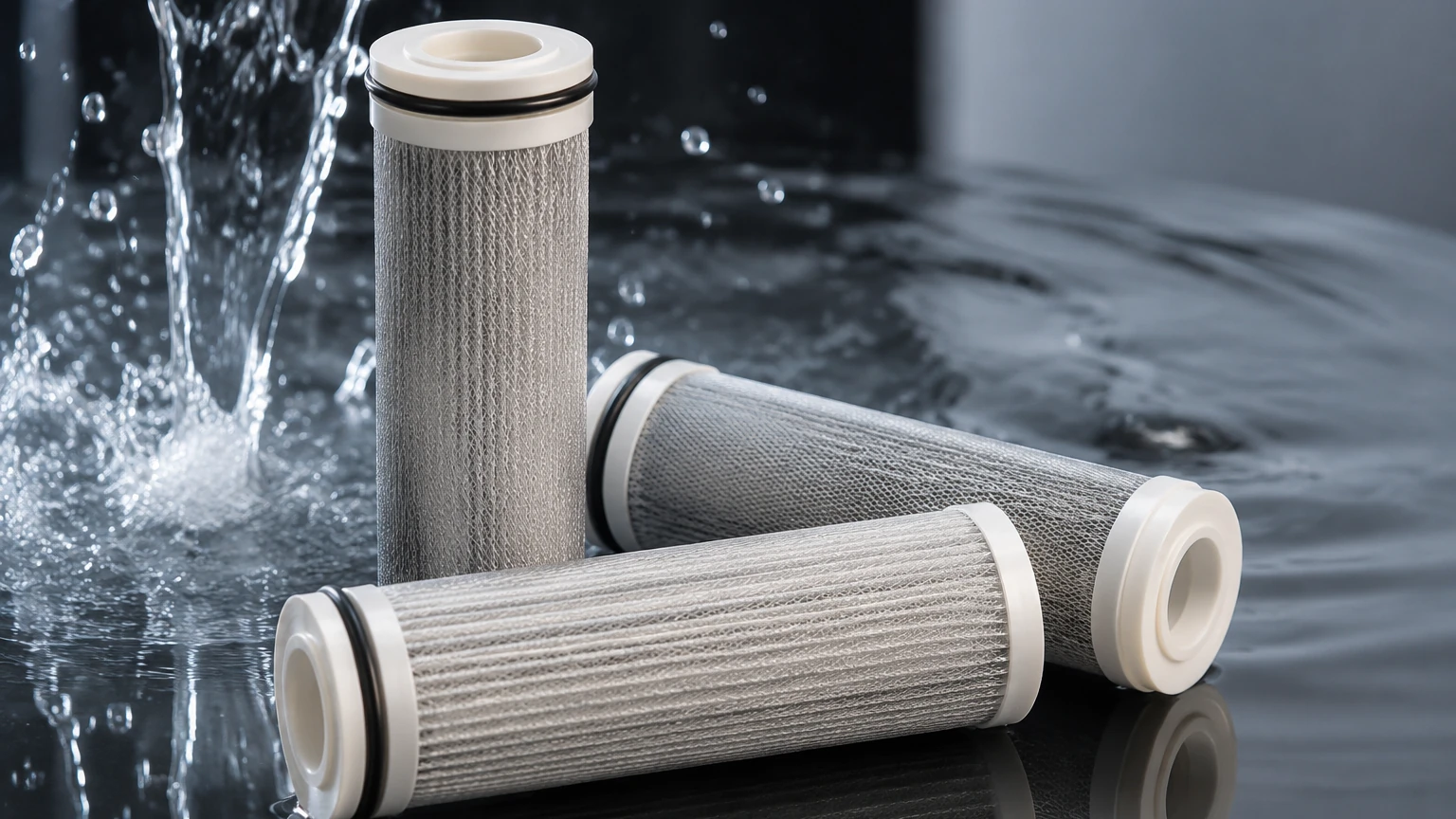
In high-temperature environments or processes involving aggressive chemicals, polymer-based filters may lose structural integrity or leach extractables into the process stream. Stainless steel filter cartridges, such as those manufactured by Kaifil, provide a robust alternative. These filters, often made from 304 or 316L stainless steel, offer:
* Thermal Stability: Capability to operate in temperatures exceeding 250°C, far beyond the limits of standard plastic filters.
* Chemical Resistance: Superior performance in the presence of solvents, oils, and corrosive fluids.
* Mechanical Strength: High collapse pressure ratings, ensuring the filter remains intact even during significant pressure surges.
For technical teams looking to optimize their filtration systems, visiting the Main Page of a specialized manufacturer can provide insights into how custom metal components can replace or enhance existing filtration setups.
Customization and OEM Integration
One of the primary challenges for engineers is sourcing replacements for legacy cuno water filter housings that meet modern performance standards. Customization is often necessary to ensure that new filter elements fit perfectly into existing vessels without bypass issues.
End-Cap Configurations
Industrial filters come in various configurations, including Double Open End (DOE), Single Open End (SOE) with 222 or 226 O-rings, and specialized spear or fin tops. Ensuring a precise fit is critical; even a millimeter of misalignment can lead to fluid bypass, compromising the entire filtration process. Custom manufacturers specialize in replicating these exact dimensions in stainless steel mesh or sintered metal formats.
Micron Rating Precision
Filtration accuracy is measured in microns (μ), and it is vital to distinguish between nominal and absolute ratings. A nominal rating indicates the filter's ability to trap a major percentage of solids, while an absolute rating signifies that 99.9% of particles at that size are retained. When upgrading from a standard cuno water filter to a precision metal filter, engineers must confirm that the pore size distribution aligns with the sensitivity of the downstream process.
Total Cost of Ownership (TCO) Analysis
In a B2B procurement context, the initial purchase price of a filter is only one component of the total cost. For many facilities, the recurring cost of disposable cartridges and the labor associated with frequent change-outs represent a significant operational burden.
Disposable vs. Cleanable Media
Standard cuno water filter cartridges are typically disposable. Once the pressure drop reaches the limit, the cartridge is discarded. In contrast, stainless steel wire mesh filters are cleanable and reusable. Methods such as backwashing, ultrasonic cleaning, or chemical soaking can restore the filter's permeability, allowing it to remain in service for years.
TCO Comparison Table:
| Feature | Disposable Polymer Filter | Cleanable Stainless Steel Filter |
| :— | :— | :— |
| Initial Cost | Low | Higher |
| Replacement Frequency | High (Weeks/Months) | Low (Years) |
| Waste Generation | Significant | Minimal |
| Maintenance Labor | Frequent change-outs | Periodic cleaning cycles |
| Durability | Vulnerable to pressure spikes | High structural integrity |
For facilities processing high volumes of water or expensive chemicals, the transition to permanent, cleanable filtration components often yields a return on investment within the first 12 to 18 months of operation.
Application-Specific Requirements
The requirements for a cuno water filter vary drastically depending on the industry. Engineering teams must account for regulatory compliance and specific environmental hazards unique to their sector.
Food and Beverage
In this industry, filtration is not just about clarity but also about safety. Filters must be constructed from FDA-compliant materials. Stainless steel is the preferred choice here because it does not shed fibers and can withstand the rigorous Clean-in-Place (CIP) cycles involving steam and caustic chemicals.
Pharmaceutical and Biotech
Precision is paramount in pharmaceutical water systems. Filters are used to remove bacteria, pyrogens, and fine particulates. The reliability of the seal within the housing is the most critical engineering factor, as any bypass can lead to batch contamination.
Chemical and Petrochemical
In these sectors, the focus shifts to chemical compatibility. A cuno water filter used in a chemical plant may encounter fluids with extreme pH levels. Selecting 316L stainless steel or specialized alloys ensures that the filter media does not corrode, which would otherwise introduce metallic contaminants into the product.
Identifying Risks in Filtration Systems
Failure to properly maintain or select the correct filter can lead to several industrial risks. Engineers should be vigilant for the following signs of system underperformance:
1. Premature Blinding: If a filter reaches its terminal pressure drop too quickly, the micron rating may be too fine for the particulate load, or the surface area may be insufficient.
2. Media Migration: In lower-quality disposable filters, the filter material itself can break down and enter the effluent stream. This is a primary reason many high-purity industries switch to sintered metal or wire mesh.
3. Bypass: If the O-rings or gaskets are not compatible with the fluid, they may swell or degrade, allowing unfiltered water to bypass the element entirely.
To mitigate these risks, it is recommended to work with manufacturers who provide comprehensive technical support and material certification. Reviewing the available options on the Main Page of a filtration expert can help in identifying the specific component upgrades needed to resolve these issues.
Conclusion: Selecting the Right Filtration Partner
Whether you are maintaining an existing system that utilizes a cuno water filter or designing a new industrial water treatment plant, the focus must remain on reliability and precision. While legacy brands provide a baseline for performance, the evolution of manufacturing technology—particularly in the realm of custom stainless steel filtration—offers new opportunities for cost savings and process optimization.
Before making a purchasing decision, engineering teams should confirm the following:
* Fluid Chemistry: Ensure the filter media and seals are compatible with the process fluid and cleaning agents.
* Operating Conditions: Verify that the filter can handle the maximum expected temperature and pressure differential.
* Filtration Goals: Define whether the priority is protecting downstream equipment or achieving a specific effluent purity level.
By prioritizing technical specifications over brand names, B2B buyers can secure filtration solutions that provide long-term stability and superior performance in the most demanding industrial environments.
