


Oil Purification Systems
In modern industrial environments, the reliability of hydraulic machinery, turbines, and lubrication systems depends heavily on the cleanliness of the fluid. Contamination is the primary cause of component wear and premature system failure. Oil purification systems are engineered to remove solid particles, water, and gaseous contaminants from industrial oils, ensuring that fluids maintain their lubricating properties and protective qualities over an extended service life. For engineers and maintenance professionals, selecting the right filtration components within these systems is critical for achieving optimal performance and minimizing downtime.
Industrial oils, including hydraulic fluids, turbine oils, and gear lubricants, are subject to various forms of degradation. As these fluids circulate, they accumulate metallic wear debris, environmental dust, and moisture. Without effective oil purification systems, these contaminants accelerate oxidation and lead to the formation of sludge and varnish. High-quality stainless steel filtration solutions, such as those provided by Kaifil, play a central role in these systems by providing the mechanical barrier necessary to capture particulates while withstanding the high pressures and temperatures often found in industrial processing.
Understanding Contamination in Industrial Oil Systems
To effectively implement oil purification systems, it is necessary to identify the types of contaminants that threaten system integrity. Contamination is generally categorized into three main forms: solid particulates, water, and air/gases.
Solid Particulate Contamination
Solid particles are perhaps the most common threat. These include "built-in" debris from the manufacturing process, such as metal shavings or sand, as well as "ingressed" contaminants like atmospheric dust. Furthermore, "generated" contaminants occur as internal components wear down over time. These particles act as abrasives, causing a chain reaction of wear known as the "wear battery" effect. Precision stainless steel wire mesh filters are essential here, as they provide consistent micron ratings to intercept these particles before they reach sensitive valves or bearings.
Moisture and Water Contamination
Water can exist in oil in three states: dissolved, emulsified, and free. Moisture reduces the lubricating film thickness, leads to corrosion of metal surfaces, and accelerates oil oxidation. Many oil purification systems utilize vacuum dehydration or coalescing technology to address water. However, the pre-filtration stage—often utilizing stainless steel cartridges—is vital to protect these specialized components from being overwhelmed by solids.
Gaseous Contaminants and Oxidation Products
Air entrainment and dissolved gases can lead to foaming and cavitation, which damages pumps and reduces the bulk modulus of the fluid. Additionally, as oil oxidizes, it forms soft contaminants like varnish. While mechanical filters are primarily designed for hard particles, specialized filtration media and system designs are required to manage the chemical breakdown products of the oil.
The Role of Stainless Steel Filtration in Purification
While many oil purification systems use disposable cellulose or synthetic media, stainless steel filtration components offer distinct advantages in heavy-duty industrial applications. As a manufacturer specializing in custom stainless steel filtration solutions, Kaifil provides the core components that enable these systems to operate in demanding environments.
Durability and Material Integrity
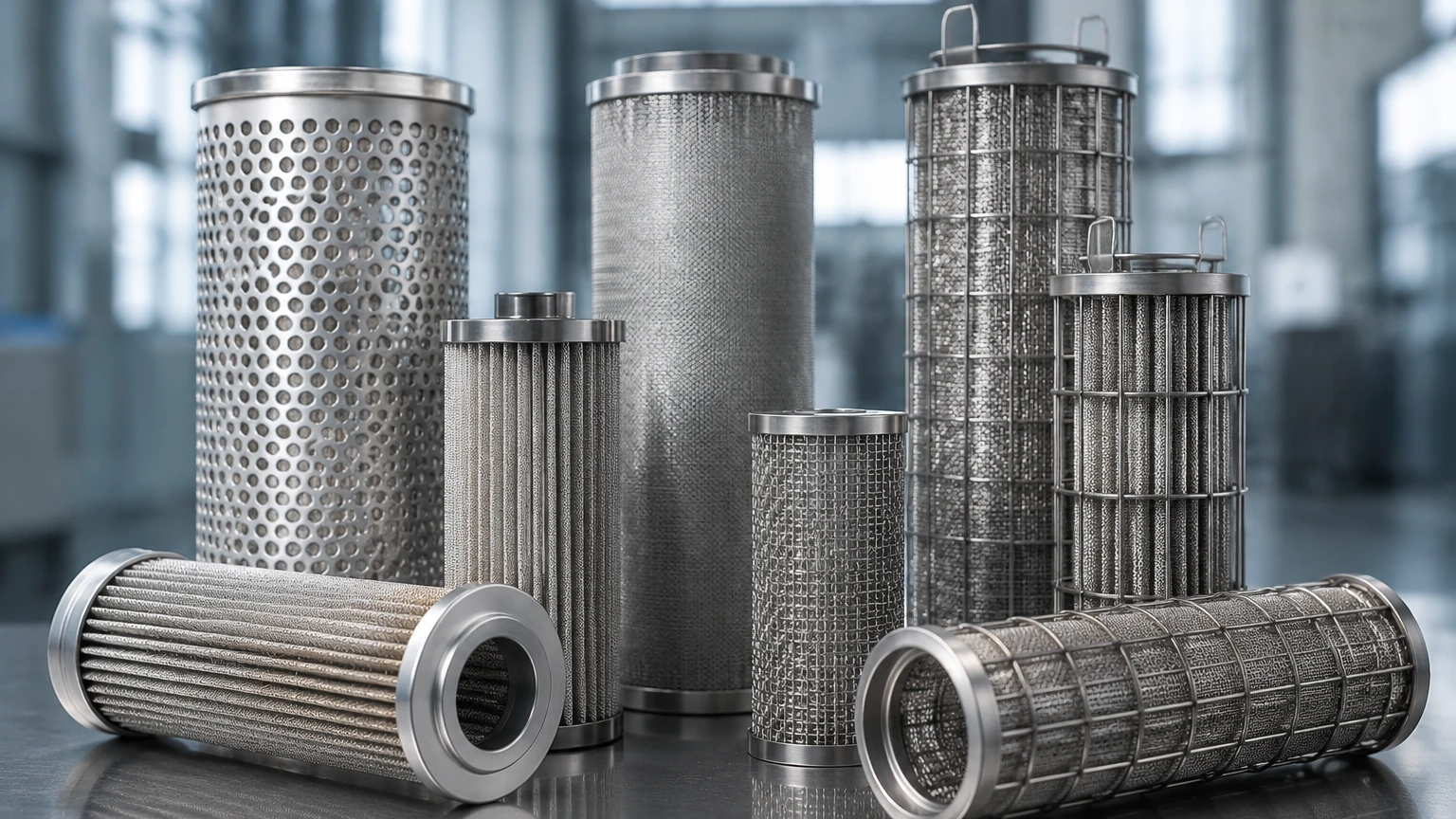
Stainless steel filters, typically constructed from 304 or 316L grades, offer superior resistance to corrosion and chemical attack. In chemical processing or high-temperature hydraulic applications, disposable filters may degrade or collapse. Stainless steel wire mesh and sintered metal components maintain their structural integrity under high differential pressures, ensuring that the purification process remains consistent.
Precision Filtration Ratings
The effectiveness of oil purification systems is measured by their ability to achieve specific ISO 4406 cleanliness codes. Stainless steel wire mesh allows for precise control over pore size, offering absolute filtration ratings. This precision is critical for protecting high-pressure components with tight tolerances, such as servo valves. By integrating custom-engineered stainless steel cartridges, operators can ensure that the oil meets the stringent requirements of equipment manufacturers.
Reusability and Sustainability
One of the primary engineering considerations for oil purification systems is the total cost of ownership. Unlike disposable elements that must be discarded after reaching their dirt-holding capacity, stainless steel filters can often be cleaned and reused. This not only reduces the cost of replacement parts but also minimizes the environmental impact associated with waste oil and filter disposal.
Key Components of an Effective Oil Purification System
An integrated oil purification system is rarely a single-stage process. It typically involves several technologies working in tandem to address different contaminant profiles. Understanding the interaction between these components helps in selecting the right Main Page configurations for a specific application.
1. Pre-Filtration Units: These are usually high-capacity filters designed to remove the bulk of solid contaminants. Stainless steel wire mesh filters are ideal for this stage because they can handle high flow rates and are easily cleaned when they become loaded with debris.
2. Vacuum Dehydrators: These units heat the oil and expose it to a vacuum, causing water and dissolved gases to boil off at temperatures low enough to prevent oil degradation. Protecting the vacuum chamber with precision metal filters prevents particulate buildup in the internal nozzles.
3. Coalescing Filters: For fluids with high water content, coalescers force small water droplets to combine into larger drops that can be drained away. These systems often require a solid-particle polishing stage afterward to ensure the fluid is completely clean.
4. Centrifugal Separators: Used primarily for heavy oils or fluids with high levels of free water and large solids, centrifuges use G-force to separate constituents by density. Even in these systems, secondary filtration is often used to capture fine particulates that the centrifuge might miss.
Engineering Considerations for Filter Selection
When designing or upgrading oil purification systems, engineers must evaluate several technical parameters to ensure the filtration components are fit for purpose. A "one size fits all" approach often leads to inefficient purification or frequent system alarms.
Viscosity and Flow Rate
The viscosity of the oil significantly impacts the pressure drop (ΔP) across a filter. High-viscosity lubricants require larger surface areas or coarser mesh to maintain flow without triggering bypass valves. In oil purification systems, it is essential to calculate the clean pressure drop at the operating temperature to ensure the system has sufficient head pressure to overcome the resistance of the filter media.
Micron Rating: Absolute vs. Nominal
In critical lubrication systems, the distinction between absolute and nominal ratings is vital. A nominal rating refers to a filter's ability to capture a percentage of particles of a certain size, whereas an absolute rating (often achieved through high-quality stainless steel mesh) indicates the largest particle that can pass through the media. For high-performance oil purification, absolute-rated filters are preferred to ensure consistent fluid quality.
Chemical Compatibility
Not all oils are compatible with standard seal materials or filter media. Synthetic lubricants and fire-resistant fluids may require specific grades of stainless steel or specialized gasket materials like Viton or EPDM. Confirming chemical compatibility during the design phase prevents premature seal failure and fluid contamination.
Maintenance and Performance Monitoring
The long-term success of oil purification systems depends on rigorous maintenance and monitoring. Modern systems often incorporate sensors to provide real-time data on the health of both the oil and the filtration hardware.
Differential Pressure Monitoring
As filters capture contaminants, the resistance to flow increases. Monitoring the differential pressure across the stainless steel filter cartridges allows maintenance teams to schedule cleaning or replacement before the system enters a bypass state. For reusable stainless steel elements, this monitoring helps determine the optimal cleaning intervals.
Oil Analysis
Regular oil analysis is the only way to verify that oil purification systems are performing as intended. By measuring the particle count (ISO 4406), water content (Karl Fischer titration), and remaining useful life (RULER test), engineers can adjust the purification cycle to match the actual contamination rate of the machinery.
Cleaning Procedures for Stainless Steel Filters
To maintain the performance of reusable metal filters, proper cleaning techniques must be employed. Methods such as ultrasonic cleaning, backflushing with solvent, or chemical cleaning are commonly used. Because Kaifil manufactures precision metal filter components, we emphasize the importance of using cleaning methods that do not damage the integrity of the wire mesh or the sintered structure.
Total Cost of Ownership and ROI
Investing in robust oil purification systems and high-quality stainless steel filtration components provides a significant return on investment (ROI). While the initial capital expenditure for stainless steel filters may be higher than for disposable alternatives, the long-term savings are substantial.
* Extended Oil Life: By keeping oil clean and dry, the interval between oil changes can be doubled or even tripled, significantly reducing fluid procurement and disposal costs.
* Reduced Component Failure: Clean oil reduces the wear rate on pumps, motors, and valves, leading to fewer unplanned outages and lower repair costs.
* Energy Efficiency: Clean systems operate more efficiently. Varnish buildup on heat exchangers or in valves can lead to overheating and increased energy consumption. Effective purification keeps these surfaces clean, maintaining thermal efficiency.
Conclusion
Oil purification systems are an essential component of industrial reliability strategies. By effectively managing particulate, water, and gaseous contamination, these systems protect critical assets and optimize operational efficiency. The choice of filtration media is a foundational element of system design. Stainless steel wire mesh and custom filter cartridges offer the durability, precision, and reusability required for the most demanding industrial applications.
As a professional manufacturer, Kaifil is dedicated to providing the engineering expertise and high-performance filtration solutions needed to support global industrial sectors. Whether you are designing a new purification unit or seeking to optimize an existing lubrication system, selecting the right metal filtration components is the first step toward achieving long-term fluid cleanliness and machinery health.
For technical specifications and to explore how custom filtration can enhance your operations, you may Review product options and application support to find the right solution for your specific industrial requirements.
