


Steam Filter
In industrial environments, steam is a primary utility used for heating, sterilization, and power generation. However, steam is rarely pure. It often contains pipe scale, rust, sediment, and other particulate matter that can damage sensitive equipment or contaminate end products. A high-quality industrial steam filter is essential for maintaining the integrity of the steam system and ensuring that the output meets specific process requirements.
As a specialized manufacturer, Kaifil provides precision-engineered stainless steel filtration solutions designed to withstand the high temperatures and corrosive nature of steam applications. Understanding the technical nuances of steam filtration—from material selection to micron ratings—is critical for engineers and procurement teams looking to optimize their systems. For a comprehensive overview of available filtration technologies, professionals can visit the Main Page to explore specific configurations.
The Role of Filtration in Different Steam Grades
Not all steam is created equal. The level of filtration required depends heavily on the intended use of the steam. Generally, industrial steam is categorized into three main grades:
1. Process Steam
Process steam is used in applications where the steam does not come into direct contact with the final product, such as in heat exchangers or jacketed vessels. While the purity requirements are lower than other grades, filtration is still necessary to protect valves, pressure regulators, and the heat exchangers themselves from erosion and clogging caused by pipe scale.
2. Culinary Steam
In the food and beverage industry, steam often comes into direct contact with the product (e.g., for blanching or direct injection heating). Culinary steam must be free of any contaminants that could affect the taste, odor, or safety of the food. In many regions, this requires a steam filter capable of removing 95% of particles 2 microns or larger, often utilizing 316L stainless steel elements to meet sanitary standards.
3. Clean Steam (Pure Steam)
Clean steam is utilized in the pharmaceutical and biotech industries for sterilization (SIP – Sterilization in Place). This grade is produced from deionized or distilled water and requires the highest level of filtration. The filter housing and the element must be constructed to prevent any bacterial growth and must withstand frequent sterilization cycles.
Engineering Considerations for Steam Filter Selection
Selecting the right filtration component requires a deep dive into the mechanical and thermal stresses the filter will encounter. Engineers must balance filtration efficiency with the physical realities of high-pressure steam systems.
Material Integrity and Corrosion Resistance
Steam environments are inherently corrosive due to the presence of moisture and high temperatures. Stainless steel is the industry standard for steam filtration. Specifically, 304 stainless steel may be used for general process steam, but 316L is preferred for culinary and clean steam applications due to its superior resistance to pitting and stress corrosion cracking. Kaifil specializes in these materials, ensuring that the filter elements maintain structural integrity over long service lives.
Pressure Drop (Delta P)
Every filter introduces a resistance to flow, resulting in a pressure drop. In steam systems, an excessive pressure drop can lead to reduced efficiency and may prevent the steam from reaching the required temperature at the point of use. When sizing a steam filter, it is vital to calculate the initial pressure drop at the maximum flow rate. A well-designed filter should offer a high dirt-holding capacity while maintaining a low Delta P to minimize energy loss.
Temperature Limits
Steam temperatures can vary significantly depending on the pressure. Standard industrial steam filters must be rated for temperatures exceeding 200°C (392°F). The seals and gaskets used in the filter housing (such as EPDM, Viton, or PTFE) must also be compatible with these thermal extremes to prevent leaks and bypass.
Sintered Metal vs. Pleated Wire Mesh Elements
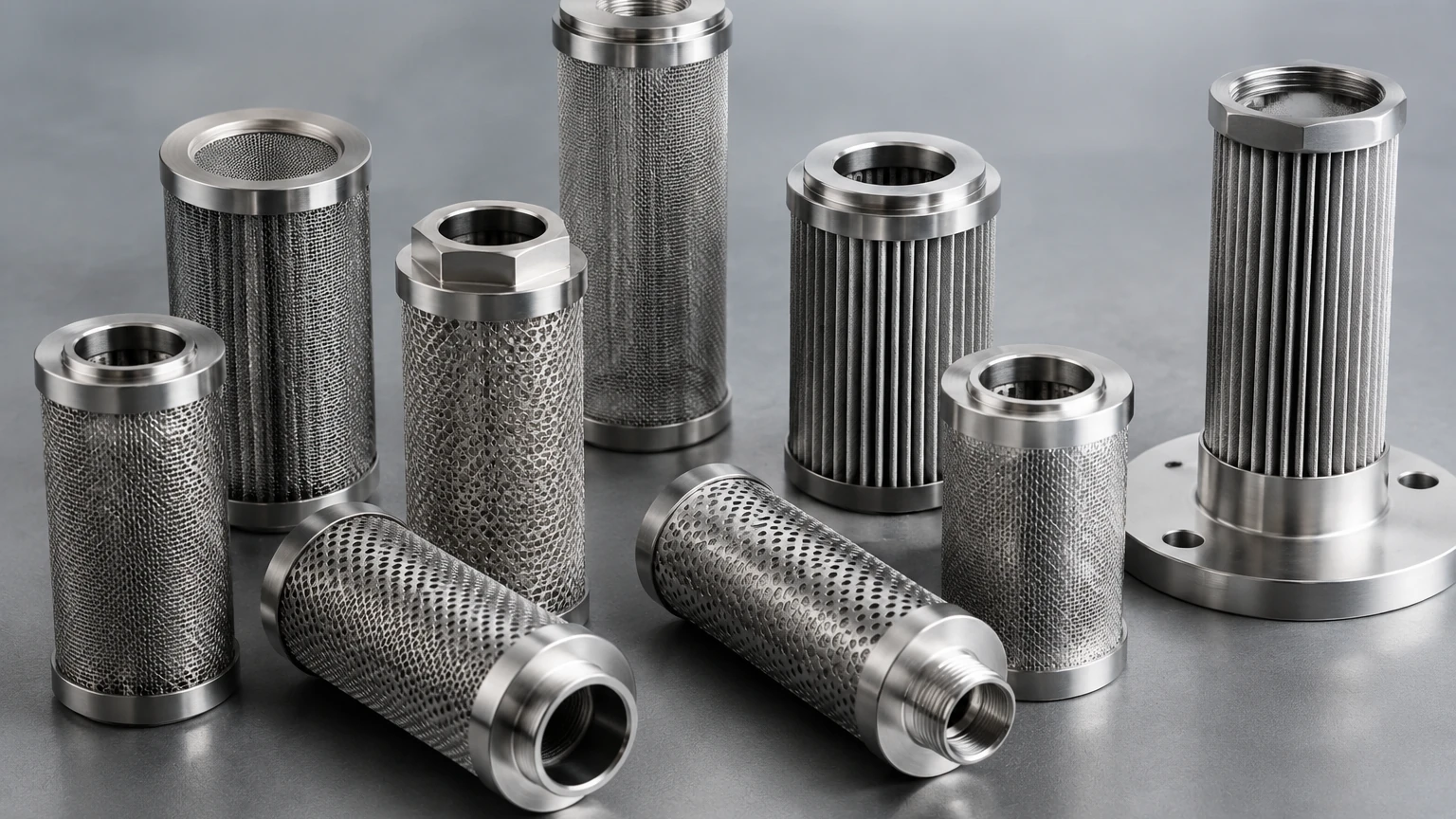
Two primary types of stainless steel filter media are commonly used in steam applications. Each offers distinct advantages depending on the filtration goal.
Sintered Stainless Steel
Sintered metal filters are created by fusing stainless steel powder or fibers together under high heat and pressure. This creates a porous, rigid structure with a very precise pore size distribution.
- Pros: Excellent for fine filtration (down to 0.1 microns), high mechanical strength, and the ability to be cleaned and reused multiple times.
- Cons: Higher initial cost and a slightly higher pressure drop compared to mesh.
Pleated Wire Mesh
Pleated wire mesh elements use layers of stainless steel wire cloth that are pleated to increase the effective filtration surface area.
- Pros: High flow rates, low pressure drop, and excellent for removing larger particles (25 microns and above) in process steam applications.
- Cons: Lower dirt-holding capacity for very fine particulates compared to sintered depth media.
Common Risks in Steam Filtration Systems
Failure to implement or maintain a proper steam filtration strategy can lead to several industrial risks:
1. Equipment Erosion: High-velocity steam carrying pipe scale acts like sandblasting, quickly wearing down valve seats and turbine blades.
2. Product Contamination: In culinary applications, rust or chemical additives from the boiler can enter the food supply, leading to batch rejection and regulatory fines.
3. Reduced Heat Transfer: Particulates can settle on the surfaces of heat exchangers, creating an insulating layer that forces the system to work harder to achieve the same temperature.
4. Bacterial Growth: In clean steam systems, poorly designed filter housings can have "dead legs" where condensate collects, providing a breeding ground for microorganisms.
Maintenance and Regeneration of Filter Elements
One of the primary benefits of using stainless steel for a steam filter is the ability to regenerate the element. Unlike disposable polymer filters, metal elements can be cleaned to restore their original flow characteristics.
Ultrasonic Cleaning
For sintered metal elements, ultrasonic cleaning is highly effective. The high-frequency sound waves create cavitation bubbles that dislodge trapped particles from deep within the porous structure.
Backwashing
In some automated systems, the flow can be reversed to flush out accumulated debris. This is particularly common in large-scale process steam systems where downtime must be minimized.
Chemical Cleaning
If the filter has been exposed to specific chemical contaminants or mineral scaling, a compatible acid or alkaline wash may be required. It is essential to ensure that the cleaning agent does not compromise the stainless steel or the housing seals.
Selection Checklist for Engineers
Before finalizing a purchase or specifying a filter for a new project, engineers should confirm the following technical parameters:
* Steam Flow Rate: Usually measured in kg/h or lbs/h.
* Operating Pressure: The minimum and maximum pressure at the filter inlet.
* Target Micron Rating: Based on the grade of steam required (e.g., 2-micron absolute for culinary steam).
* Connection Type: Flanged, NPT, or Tri-clamp (sanitary) connections.
* Housing Material: Typically 304 or 316L stainless steel.
* Compliance Requirements: Does the filter need to meet 3-A, FDA, or PED (Pressure Equipment Directive) standards?
Conclusion
Investing in a robust steam filter is a fundamental step in ensuring the longevity of industrial equipment and the safety of the final product. By selecting high-performance stainless steel components, facilities can achieve reliable filtration even in the most demanding thermal environments. Kaifil’s expertise in custom metal filtration allows for the development of solutions tailored to specific industrial challenges, ensuring that steam remains a productive utility rather than a source of contamination. For more information on technical specifications and custom manufacturing capabilities, visit the Main Page to connect with our engineering team.
