


Filter Bags and Cages
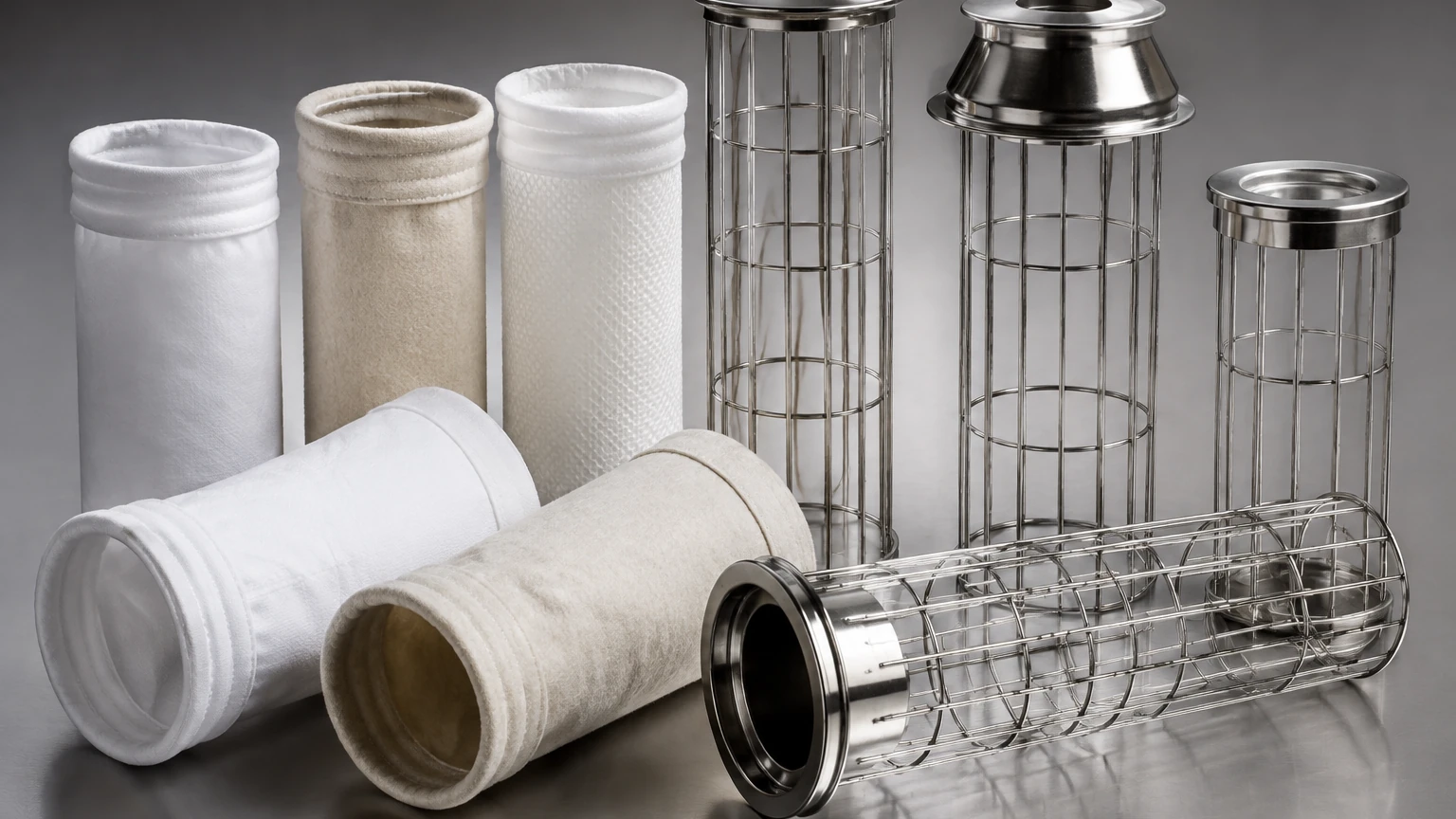
In the realm of industrial filtration, the efficiency of a dust collection or liquid separation system is heavily dependent on the mechanical synergy between filter bags and cages. These components are the primary interface between contaminated process streams and clean discharge. While the filter bag acts as the permeable membrane that captures particulate matter, the filter cage serves as the essential structural skeleton that prevents the bag from collapsing under the force of vacuum or pressure. For engineers and procurement professionals, understanding the technical nuances of these components is vital for optimizing system performance, reducing downtime, and managing the total cost of ownership.
Selecting the appropriate combination of filter bags and cages requires a deep dive into the chemical, thermal, and mechanical demands of the specific application. Whether dealing with high-temperature flue gases in a power plant or corrosive chemical processing in a pharmaceutical facility, the materials and design configurations chosen will dictate the longevity and effectiveness of the filtration system. This guide explores the engineering considerations, material sciences, and maintenance strategies necessary for high-performance industrial filtration.
The Role of Filter Bags and Cages in Industrial Systems
Industrial baghouses and liquid filtration units rely on a pressure differential to drive fluid through a filter medium. In pulse-jet baghouses, air travels from the outside of the bag to the inside. Without internal support, the flexible fabric of the filter bag would immediately flatten against itself, sealing off the airflow and causing the system to fail. The filter cage is inserted into the bag to maintain its cylindrical shape, ensuring that the entire surface area of the media remains available for filtration.
In liquid filtration, similar principles apply when using high-pressure housings. Support cages, often manufactured from high-grade stainless steel, ensure that the filter bag does not rupture or bypass under the weight of collected solids or the force of the liquid flow. The interaction between the bag and cage is particularly critical during the cleaning cycle. In pulse-jet systems, a burst of compressed air is sent down the length of the bag, causing it to expand rapidly away from the cage and then snap back. This mechanical movement dislodges the "dust cake" accumulated on the exterior. If the cage design is suboptimal—for example, if it has too few vertical wires—the bag may experience excessive flexing, leading to premature mechanical failure of the fabric fibers.
Structural Engineering of Filter Cages
The design of a filter cage is defined by its ability to provide uniform support while offering minimal resistance to airflow. Several engineering factors must be evaluated during the selection process:
Wire Configuration and Count
The number of vertical wires in a cage is a primary factor in bag life. Standard cages typically feature 10, 12, or 20 wires. A higher wire count provides more support for the filter bag, reducing the "sag" of the fabric between the wires during the filtration cycle. This minimizes the degree of flexing during the pulse-cleaning cycle, which significantly extends the life of the bag, especially when using heavy or sensitive media like fiberglass or PTFE membranes.
Material Selection and Corrosion Resistance
Filter cages must be constructed from materials that can withstand the process environment.
- Carbon Steel: Often used in non-corrosive, low-temperature applications. It usually requires a coating (galvanized or epoxy) to prevent rusting.
- Stainless Steel (304, 316, 316L): Essential for chemical processing, food and beverage, and pharmaceutical applications where corrosion resistance and hygiene are paramount. Stainless steel cages do not require additional coatings and offer superior longevity in acidic or alkaline environments.
- Specialty Alloys: For extreme environments involving high concentrations of sulfur or chlorides, alloys like Hastelloy may be required.
Surface Finish and Welding
The manufacturing quality of the cage is just as important as the material. Any burrs, sharp edges, or improper welds on the cage can act as abrasive points that tear the filter bag during the pulse cycle. High-quality cages undergo specialized welding processes, such as automated spot welding, followed by finishing treatments like acid pickling or electropolishing to ensure a perfectly smooth surface. For more information on high-precision metal filtration components, users can refer to the Main Page for technical specifications.
Fabric Selection and Media Characteristics for Filter Bags
The filter bag is the functional heart of the system. Choosing the right media involves balancing filtration efficiency (micron rating) with the physical constraints of the operating environment.
Fiber Types and Thermal Limits
- Polyester: The most common material for dry filtration due to its low cost and good mechanical strength, though it is susceptible to hydrolysis in moist, high-heat environments.
- Polypropylene: Excellent for liquid filtration and chemical resistance at lower temperatures (up to 190°F / 88°C).
- Aramid (Nomex): A high-temperature fiber used in asphalt plants and metal processing, capable of withstanding temperatures up to 400°F (204°C).
- PTFE (Teflon): The gold standard for chemical resistance and high-temperature performance (up to 500°F / 260°C). It is often used as a membrane laminated onto other fabrics to improve dust cake release.
Surface Treatments and Coatings
To enhance performance, filter bags often receive secondary treatments. Singeing removes loose fibers from the surface to prevent dust from sticking. Glazing uses high-pressure rollers to create a smooth surface for better cake release. For applications involving fine particulate or oily substances, an oleophobic or hydrophobic coating can prevent the media from becoming "blinded" (clogged) by moisture or hydrocarbons.
The Importance of Precise Fit and Dimensional Tolerances
A common cause of filtration system failure is an improper fit between the filter bag and the cage. If the bag is too loose, it will flap excessively against the cage during the pulse cycle, leading to mechanical wear and "pinhole" leaks. If the bag is too tight, it may be difficult to install, and the tension can cause the fabric to tear at the seams or the top snap-band.
The Snap-Band and Tube Sheet Connection
The seal at the top of the bag is critical. Most modern systems use a "snap-band" design, where a flexible metal ring inside the top of the bag snaps into a hole in the tube sheet. This creates a gasket-like seal that prevents contaminated air from bypassing the filter. The cage then seats into this assembly, often utilizing a Venturi tube at the top to optimize the flow of the cleaning pulse. Engineering teams must ensure that the tolerances of the tube sheet holes, the snap-band, and the cage top are perfectly aligned to maintain system integrity.
Venturi Tubes
Many filter cages are equipped with a Venturi at the top. The Venturi is an aerodynamic component designed to accelerate the compressed air pulse and create a secondary flow of air from the clean side of the baghouse. This increases the cleaning energy delivered to the bottom of the bag, ensuring that the entire length of the media is cleaned effectively. For custom filtration designs that require integrated Venturi systems, consulting with a manufacturer like Kaifil ensures that the components are engineered for maximum pneumatic efficiency.
Operational Challenges: Wear, Corrosion, and Blinding
Even with the best design, filter bags and cages are subject to wear. Monitoring the "differential pressure" (the pressure drop across the filters) is the most effective way to track the health of the system.
Mechanical Abrasion
In systems handling abrasive dust (such as cement or minerals), the bottom of the filter bag is often the first point of failure. Cages with reinforced bottom pans and bags with "wear strips" or double-layered bottoms can mitigate this. High interstitial velocity—the speed of the air moving between the bags—can also cause bags to rub against each other, leading to external abrasion.
Chemical Attack and Hydrolysis
Chemical failure occurs when the process gases or liquids react with the filter media fibers. For example, polyester fibers can be weakened by moisture at high temperatures (hydrolysis), while certain acids can dissolve aramid fibers. Selecting a cage material that matches the bag's chemical resistance is equally important; a corroding carbon steel cage will produce rust flakes that can blind the filter bag from the inside out.
Blinding and Crust Formation
Blinding occurs when fine particles become deeply embedded in the fabric interstices, or when moisture causes the dust cake to harden into a solid crust. Once a bag is blinded, the differential pressure will rise, and the pulse-jet cleaning system will no longer be able to restore airflow. This often necessitates a full bag change-out. Proper cage support is essential here, as it ensures that the cleaning pulse can flex the bag enough to break up the crust without damaging the fabric.
Optimizing Total Cost of Ownership through Material Selection
When evaluating filter bags and cages, the initial purchase price is only one component of the total cost. Engineers must also consider:
- Energy Consumption: High differential pressure caused by inefficient cleaning or blinded bags requires the system fans to work harder, increasing electricity costs.
- Labor Costs: Replacing thousands of bags and cages in a large baghouse is a labor-intensive process that often requires significant downtime.
- Disposal Costs: Spent filter bags, especially those contaminated with hazardous materials, can be expensive to dispose of.
Investing in higher-quality materials, such as stainless steel cages and PTFE-laminated bags, often results in a lower total cost of ownership. For instance, a stainless steel cage from https://www.kaifil.com/ may last through three or four bag replacement cycles, whereas a galvanized carbon steel cage might need to be replaced every time the bags are changed due to surface degradation. By extending the interval between change-outs, facilities can significantly reduce both maintenance labor and the volume of waste generated.
Customization and OEM Solutions for Demanding Environments
Standard off-the-shelf filtration components are often insufficient for specialized industrial processes. Customization allows for the optimization of wire diameters, cage lengths, and bag finishes to meet specific airflow and particulate requirements.
In chemical and pharmaceutical manufacturing, where product purity is essential, custom stainless steel filter cages and precision-woven bags are used to ensure that no contaminants are introduced into the process stream. Similarly, in hydraulic systems and high-pressure water treatment, the structural integrity of the metal support cage is the primary safeguard against system bypass. Manufacturers who specialize in custom stainless steel filtration solutions provide the engineering expertise needed to develop these bespoke components, ensuring they meet the rigorous standards of demanding industrial environments.
Conclusion
The effective operation of industrial filtration systems is a balance of mechanical support and media performance. Filter bags and cages must be viewed as an integrated system rather than individual parts. By carefully selecting materials that resist chemical and thermal degradation, ensuring a precise mechanical fit, and prioritizing high-quality manufacturing standards, engineers can achieve superior filtration efficiency and extended component life. Whether the goal is environmental compliance, product recovery, or equipment protection, the right combination of bags and cages is fundamental to industrial success.
