


Woven Wire Fence 200 Ft: Engineering and Selection Guide for Industrial Applications
In industrial environments, the term "fence" often extends beyond simple perimeter security. For engineers and facility managers, a woven wire fence 200 ft installation typically refers to high-performance barrier systems, machine guarding, or large-scale filtration enclosures designed to withstand corrosive atmospheres, high temperatures, or rigorous mechanical stress. Selecting the correct Woven Wire Mesh for these applications requires a deep understanding of metallurgy, weave patterns, and structural integrity.
When planning a 200 ft run of industrial mesh, whether for safety partitions in a chemical plant or debris screening in a water treatment facility, the choice of material and specification determines the system's longevity and total cost of ownership. This guide explores the technical considerations necessary for selecting and implementing large-scale woven wire solutions.
Understanding Woven Wire Mesh in Industrial Barrier Systems
Industrial woven wire is manufactured by weaving individual metal wires over and under one another to create a stable, precise grid. Unlike welded wire, which relies on spot welds that can become points of failure under vibration or thermal expansion, woven wire offers inherent flexibility and high tensile strength. This makes it the preferred choice for long-span installations like a woven wire fence 200 ft project where structural consistency is paramount.
In B2B sectors such as food processing, pharmaceuticals, and heavy manufacturing, these "fences" serve multiple roles:
* Machine Guarding: Protecting personnel from moving parts while maintaining visibility and airflow.
* Security Enclosures: Creating high-strength barriers for hazardous material storage or high-voltage equipment.
* Pre-Filtration Barriers: Large-scale mesh panels used to protect sensitive downstream filtration equipment from large debris in intake systems.
Plain, Twill and Dutch Woven Wire Mesh Options
For a 200 ft installation, the weave type significantly impacts the material's rigidity and weight.
1. Plain Weave: The most common industrial standard where wires cross in a simple 1:1 pattern. It offers the highest level of transparency and airflow, making it ideal for standard safety fencing.
2. Twill Weave: Each shute wire passes over and under two warp wires. This allows for a heavier wire diameter relative to the mesh count, increasing the physical strength of the barrier without sacrificing the aperture size.
3. Dutch Weave: Used primarily when the "fence" must also act as a filter. This weave produces a dense, strong mesh with high pressure resistance, often used in specialized industrial separation processes.
Material Selection: Why Stainless Steel Outperforms for 200 Ft Installations
When specifying a woven wire fence 200 ft run, the material choice is the single most important factor in preventing premature failure. While galvanized carbon steel is common in residential fencing, industrial applications demand the corrosion resistance and mechanical properties of stainless steel.
Grade 304 Stainless Steel
Grade 304 is the industrial workhorse. It provides excellent resistance to atmospheric corrosion and is suitable for most indoor machine guarding and general-purpose industrial fencing. It maintains its structural integrity at high temperatures and is easy to clean, which is a critical requirement in food and beverage facilities.
Grade 316L Stainless Steel
For environments involving chemical processing, marine exposure, or high-salinity conditions, Grade 316L is essential. The addition of molybdenum enhances resistance to pitting and crevice corrosion. For a 200 ft exterior installation near a coastline or within a chemical washdown zone, the slightly higher initial cost of 316L is offset by the elimination of rust-related maintenance and replacement costs.
Technical Specifications for Large-Scale Woven Wire Projects
To ensure a woven wire fence 200 ft installation meets safety and performance standards, engineers must define several key technical parameters:
Mesh Count and Aperture
The mesh count refers to the number of openings per linear inch. For industrial fencing, a lower mesh count with a larger aperture is typically used to allow for visibility and ventilation. However, if the barrier is intended to prevent the passage of small tools or debris, the aperture must be calculated precisely based on the smallest object that must be contained.
Wire Diameter (Gauge)
The wire diameter dictates the mesh's physical strength and weight. For a 200 ft run, the weight of the mesh becomes a logistical factor. Heavier gauges provide better impact resistance—essential for machine guards—but require more robust framing and support structures to prevent sagging over long distances.
Percentage of Open Area
This calculation is vital for applications involving airflow or light transmission. In HVAC enclosures or drying rooms, the mesh must provide security without creating a significant pressure drop or blocking essential light. High-precision manufacturing ensures that the open area remains consistent across the entire 200 ft roll.
Installation and Maintenance of 200 Ft Industrial Mesh Runs
Handling a woven wire fence 200 ft project requires careful planning to maintain the material's tension and alignment. Unlike short panels, long runs of woven wire are susceptible to "racking" or deformation if not handled correctly.
Roll Handling and Tensioning
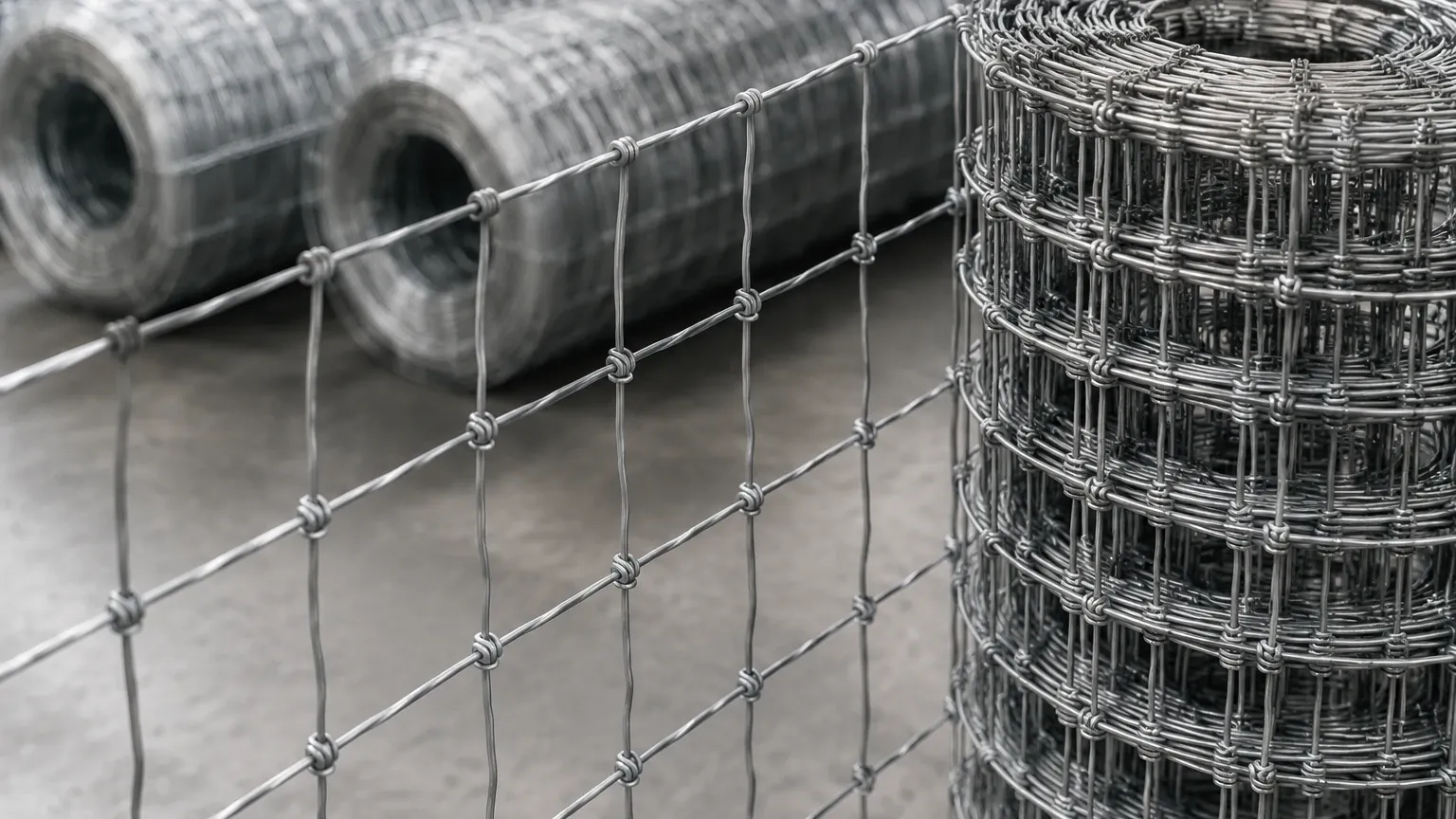
Industrial mesh is typically supplied in rolls. For a 200 ft requirement, the mesh may be supplied in a single continuous roll or several smaller sections depending on the height and wire gauge. Proper tensioning equipment is necessary to ensure the mesh remains taut between support posts, preventing mechanical fatigue caused by vibration or wind loading.
Framing and Attachment Methods
For B2B applications, mesh is often integrated into custom frames. Welding stainless steel mesh to a frame requires expertise to avoid "burn-through" on fine wires. Alternatively, mechanical fastening using tension bars and bolts allows for easier replacement of specific sections if damage occurs, which is a significant advantage in high-traffic industrial zones.
Maintenance Cycles
Stainless steel woven wire is low-maintenance but not maintenance-free. In industrial settings, regular inspections should check for:
* Accumulation of Contaminants: Dust or chemical residues can lead to localized corrosion if not cleaned.
* Mechanical Damage: Impact from forklifts or heavy machinery can compromise the weave's integrity.
* Tension Loss: Over time, thermal expansion and contraction may require the mesh to be re-tensioned to maintain its safety rating.
Evaluating Customization Options for Industrial Filtration and Guarding
Standard off-the-shelf fencing rarely meets the specific needs of complex industrial projects. Customization is where manufacturers like Kaifil provide the most value. When sourcing a woven wire fence 200 ft solution, technical teams should consider the following custom options:
* Custom Slitting and Cutting: Precision cutting to exact widths reduces on-site labor and material waste.
* Edge Treatments: For safety barriers, hemmed or finished edges prevent injury to personnel and facilitate easier installation into frames.
* Surface Finishes: Electropolishing can be applied to stainless steel mesh to improve corrosion resistance and provide a smoother surface that is easier to sterilize in pharmaceutical applications.
* Alloy Variations: Beyond 304 and 316, specialized alloys like Monel or Inconel can be used for extreme temperature or highly acidic environments.
Total Cost Considerations for Large-Scale Mesh Projects
When evaluating a woven wire fence 200 ft procurement, the initial purchase price is only one component of the total cost. Engineers must account for:
1. Durability: A cheaper carbon steel mesh may require replacement every 3-5 years in a corrosive environment, whereas a high-quality 316L stainless steel mesh can last 20+ years.
2. Installation Labor: Precision-manufactured mesh that arrives flat and accurately sized reduces the man-hours required for installation and tensioning.
3. Compliance: In many industries, fencing and guarding must meet specific OSHA or ISO safety standards. Investing in certified woven wire mesh ensures the facility remains compliant and avoids costly fines or accidents.
Conclusion: Selecting the Right Partner for Your Mesh Requirements
A woven wire fence 200 ft project is a significant investment in industrial infrastructure. By focusing on material grade, weave precision, and technical specifications, engineering teams can ensure they deploy a solution that provides maximum safety and durability.
Whether you are designing a protective barrier for a hydraulic system or a large-scale perimeter for a food processing plant, the quality of the Woven Wire Mesh is the foundation of the project's success. Partnering with a manufacturer that understands the nuances of industrial filtration and precision metal components allows for customized solutions that meet the most demanding application requirements.
