


What Is Expanded Metal Lath
In the realm of industrial manufacturing and structural engineering, understanding the specific properties and applications of various metal substrates is essential for optimizing performance and durability. One question frequently encountered by procurement teams and design engineers is: what is expanded metal lath? While often associated with the construction industry as a base for plaster and stucco, expanded metal lath plays a critical role in industrial filtration, machine guarding, and structural reinforcement.
As a specialized subset of Perforated & Expanded Metal, expanded metal lath is characterized by its unique manufacturing process, which creates a continuous, jointless mesh from a single sheet of metal. This article provides a technical overview of its production, material variations, and the engineering considerations necessary for selecting the right lath for industrial applications.
Understanding the Fundamentals of Expanded Metal Lath
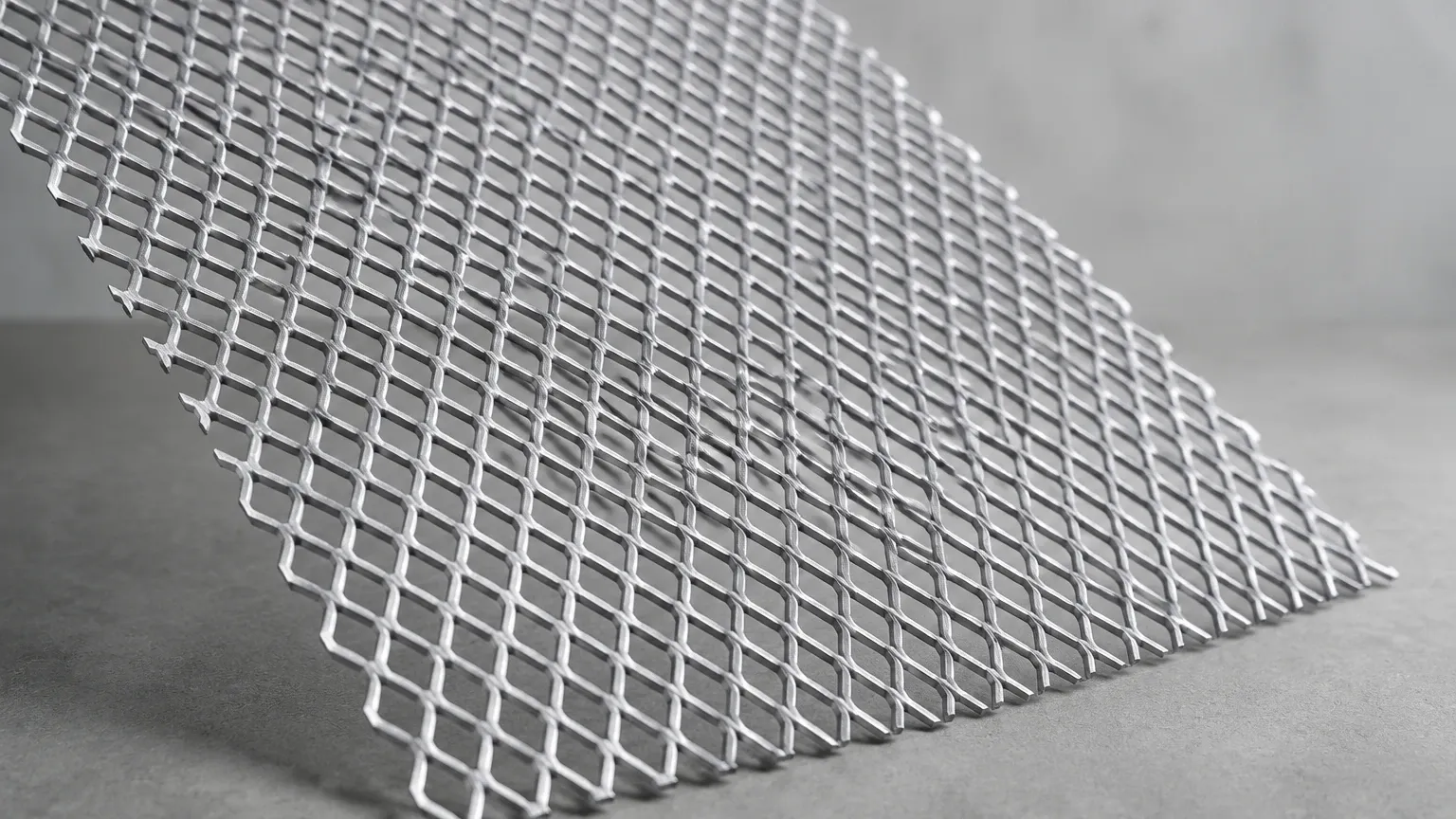
To answer the question of what is expanded metal lath, one must first look at its physical structure. Expanded metal lath is a metal sheet that has been simultaneously slit and stretched into a rigid, non-raveling mesh with uniform diamond-shaped openings. Unlike woven wire mesh, which consists of individual wires interlaced together, expanded metal is a single piece of material. This lack of joints or welds ensures that the material maintains its structural integrity even when cut into complex shapes.
In industrial contexts, the term "lath" specifically refers to the material’s function as a substrate or support structure. While it is widely used to provide a "key" for cementitious materials in building facades, its industrial utility lies in its ability to provide high strength-to-weight ratios. For engineers working with filtration systems or protective enclosures, expanded metal lath serves as a robust framework that can support finer filter media or act as a primary barrier against mechanical impact.
The Manufacturing Process: Slitting and Stretching
The production of expanded metal lath is a precise cold-forming process. A solid sheet or coil of metal is fed through an expanding machine equipped with a series of knives. These knives perform two actions simultaneously: they slit the metal at regular intervals and then stretch (expand) the material outward.
The result is a series of diamond-shaped apertures. Because the metal is stretched rather than punched, there is no scrap or waste generated during the process. This makes expanded metal a more cost-effective and environmentally sustainable alternative to perforated metal in many applications. The process also creates "strands" and "bonds." The strands are the individual strips of metal that form the sides of the diamond, while the bonds are the points where the strands intersect.
One of the most significant technical advantages of this process is that the strands are set at an angle to the original plane of the sheet. This orientation increases the rigidity of the material and provides a three-dimensional surface area that is highly effective for bonding with other materials or diffusing fluid flow in filtration applications.
Primary Types of Metal Lath and Their Structural Roles
When exploring what is expanded metal lath, it is important to distinguish between the different configurations available. Each type is engineered to meet specific mechanical requirements:
1. Diamond Mesh Lath
This is the most versatile and commonly used form. It features a standard diamond pattern and is available in both "raised" (standard) and "flattened" varieties. In its raised state, the strands provide maximum grip and rigidity. Flattened diamond lath is passed through a cold-roll mill to create a smooth, level surface, which is often preferred when the lath is used as an outer guard or a support layer for delicate filter membranes.
2. Rib Lath
Rib lath is characterized by the inclusion of longitudinal V-shaped ribs that run the length of the sheet. These ribs provide significantly higher longitudinal stiffness than standard diamond lath. In industrial settings, rib lath is often utilized where large spans need to be covered without the support of a heavy frame, or where the lath must support a heavy load of filter cake or insulation.
3. Self-Furring Lath
Self-furring lath is manufactured with dimples or "v-grooves" that hold the mesh away from the mounting surface. This creates a gap that allows for total encapsulation of the mesh by a secondary material (such as plaster or a specialized industrial coating). This ensures a mechanical bond across the entire surface area of the metal.
Material Selection: Stainless Steel vs. Carbon Steel
The performance of expanded metal lath is heavily dependent on the alloy from which it is manufactured. For industrial applications, particularly those involving chemical processing or high-temperature filtration, material selection is paramount.
* Stainless Steel (304 and 316 Grades): Stainless steel expanded metal lath is the gold standard for corrosive environments. Grade 316, containing molybdenum, offers superior resistance to chlorides and marine environments. For B2B buyers in the pharmaceutical or food and beverage industries, stainless steel is often mandatory due to its hygienic properties and ease of sterilization.
* Galvanized Steel: This is carbon steel coated with a layer of zinc. It provides a cost-effective solution for applications where moisture is present but extreme chemical resistance is not required. It is frequently used in HVAC filtration and general industrial guarding.
* Aluminum: Known for its lightweight and corrosion-resistant properties, aluminum lath is used in aerospace and automotive applications where weight reduction is a primary design goal.
At Kaifil, the focus is on high-performance materials. By utilizing precision Perforated & Expanded Metal techniques, manufacturers can ensure that the lath meets the exact metallurgical standards required for demanding industrial cycles.
The Role of Expanded Metal Lath in Industrial Filtration
In the context of filtration, the question of what is expanded metal lath extends into its role as a support component. Fine wire mesh filters, while excellent for precision particle separation, often lack the structural rigidity to withstand high differential pressures.
Expanded metal lath is frequently employed as a "support cage" or an inner/outer pleat support for filter cartridges. Its open area allows for high flow rates with minimal pressure drop, while its rigid structure prevents the filter media from collapsing or deforming under the force of the fluid or gas stream. Furthermore, the angled strands of raised expanded metal can assist in pre-filtering larger debris before it reaches the primary filtration layer, effectively extending the service life of the more expensive fine mesh components.
Engineers must consider the "percentage of open area" when selecting lath for filtration. A higher open area reduces resistance to flow but may decrease the overall burst strength of the filter element. Balancing these two factors is a key part of the custom OEM design process.
Technical Specifications: SWD, LWD, and Strand Geometry
To accurately specify expanded metal lath for a project, engineers use a specific set of measurements. Understanding these terms is vital for ensuring the material fits the intended application:
* SWD (Short Way of Design): The distance from the center of one bond to the center of the next bond measured across the short axis of the diamond.
* LWD (Long Way of Design): The distance from the center of one bond to the center of the next bond measured across the long axis of the diamond.
* Strand Width: The amount of metal fed into the knives between slits.
* Strand Thickness: The thickness of the original base metal sheet.
* Aperture Size: The clear opening between the strands.
For example, a "flattened" lath will have a different effective thickness than a "raised" lath, even if they started from the same gauge of sheet metal. When ordering custom components, confirming these dimensions ensures that the lath will integrate seamlessly with other housing or frame components.
Key Considerations for OEM Customization and Procurement
When sourcing expanded metal lath for industrial use, B2B purchasers should look beyond basic dimensions. Total cost of ownership and performance reliability are driven by several factors that should be confirmed with the manufacturer:
1. Edge Conditions: Expanded metal can be supplied with "random sheared" edges or "bonded" edges. Bonded edges are safer to handle and provide a cleaner finish for filtration cartridges, as they eliminate sharp protruding strands.
2. Tolerances: Precision manufacturing is required to maintain consistent SWD and LWD across a large production run. Inconsistent patterns can lead to assembly failures in automated production lines.
3. Surface Treatment: Depending on the application, lath may require degreasing, pickling, or powder coating. In filtration, ensuring the metal is free of residual oils from the expanding process is critical to prevent fluid contamination.
4. Load-Bearing Requirements: If the lath is used as a walkway or heavy-duty guard, the orientation of the LWD relative to the support structure will dictate the material’s deflection characteristics.
Conclusion
Answering the question of what is expanded metal lath reveals a material that is far more than just a construction staple. It is a highly engineered, versatile substrate that provides essential structural support and filtration capabilities across various industries. Whether it is used as a protective guard in a manufacturing plant or as a critical support layer in a stainless steel filter cartridge, its unique combination of strength, open area, and material efficiency makes it an indispensable component in modern engineering.
For professionals seeking reliable, high-performance filtration components, selecting the right Perforated & Expanded Metal solution involves a deep understanding of material grades and geometric specifications. By partnering with a manufacturer like Kaifil that specializes in custom stainless steel filtration, engineers can ensure their systems achieve optimal durability and precise performance in even the most demanding environments.
