


Strainer Nut
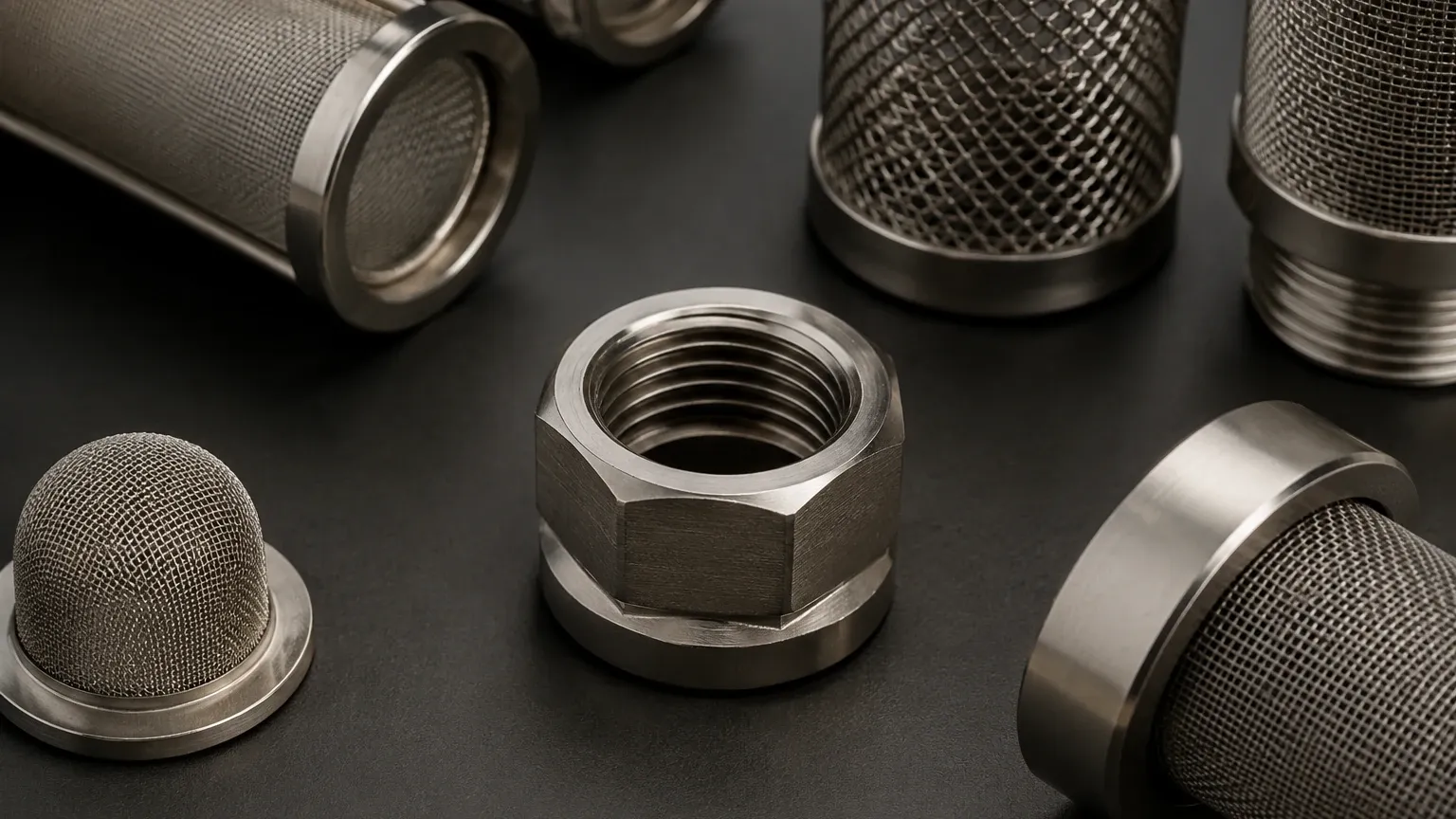
In the complex landscape of industrial filtration, the reliability of a system often hinges on the smallest mechanical components. The strainer nut is a primary example of a critical fastener that ensures the structural integrity and operational safety of pressurized filtration units. Whether it is securing the cover of a high-pressure Y-strainer or holding a heavy-duty basket in place within a duplex system, the choice of fastening hardware directly impacts maintenance cycles, seal performance, and the prevention of hazardous leaks.
For engineers and procurement professionals, understanding the technical specifications of a strainer nut is essential for maintaining the longevity of Strainers & Baskets. This guide examines the engineering considerations, material requirements, and common challenges associated with these components in industrial environments.
The Role of the Strainer Nut in Industrial Filtration
A strainer nut serves several vital functions within a filtration assembly. Its primary role is to provide the clamping force necessary to compress gaskets or O-rings, creating a fluid-tight seal between the strainer body and its cover or cap. In industrial applications involving hazardous chemicals, high-temperature steam, or high-pressure hydraulic fluids, the failure of a single nut can lead to catastrophic system depressurization.
Beyond sealing, the strainer nut is often the interface through which maintenance personnel interact with the equipment. In systems that require frequent cleaning—such as those in the food and beverage or pharmaceutical industries—the design of the nut determines how quickly a basket can be serviced. If the hardware is prone to seizing or requires specialized tools that are not readily available, downtime increases significantly. Therefore, the strainer nut is not just a fastener; it is a component that influences the total cost of ownership (TCO) of the entire filtration system.
Material Selection and Corrosion Resistance
Material compatibility is the most critical factor when specifying a strainer nut. Because these components are often exposed to the same process fluids as the internal mesh, they must exhibit equivalent or superior corrosion resistance. Kaifil emphasizes the use of high-grade stainless steel to ensure durability in demanding environments.
Stainless Steel 304 vs. 316
While 304 stainless steel is suitable for general-purpose industrial applications and water treatment, 316 stainless steel is the standard for chemical processing and marine environments. The addition of molybdenum in 316 SS provides enhanced resistance to pitting and crevice corrosion, particularly in the presence of chlorides. For highly acidic or alkaline processes, specialized alloys like 316L (low carbon) may be required to prevent intergranular corrosion near weld points if the nut is part of a welded assembly.
Galling and Thread Seizing
A common technical challenge with stainless steel fasteners is "galling" or cold welding. This occurs when the protective oxide layer of the stainless steel is rubbed off during tightening, causing the metal surfaces to bond. In the context of a strainer nut, galling can make it impossible to remove the cover for basket cleaning without destroying the stud or the nut itself. To mitigate this, engineers often specify different grades of stainless steel for the nut and the bolt, or utilize specialized anti-seize coatings that are compatible with the process fluid (e.g., food-grade lubricants for F&B applications).
Types of Nuts Used in Strainers & Baskets
The design of the strainer nut varies based on the pressure rating of the vessel and the required frequency of access. Standardizing the hardware across a facility can simplify maintenance, but specific applications often demand specialized designs.
* Hex Nuts: The most common type for high-pressure bolted covers. They allow for precise torque application using standard industrial wrenches. In high-vibration environments, heavy hex nuts are preferred for their increased thread engagement.
* Wing Nuts and Tee-Bolts: Frequently used in low-to-medium pressure systems where tool-free access is required. These allow operators to quickly open the strainer for basket inspection. However, they are limited by the manual force an operator can apply, making them unsuitable for high-pressure sealing.
* Cap Nuts (Acorn Nuts): Used when the end of the bolt or stud needs protection from the environment or when a smooth exterior is required for safety and hygiene, preventing the buildup of contaminants on exposed threads.
* Nyloc or Locking Nuts: In hydraulic systems or equipment subject to constant mechanical vibration, locking nuts prevent the assembly from loosening over time, which could otherwise lead to bypass or external leakage.
Engineering Considerations: Torque and Preload
For a strainer nut to function effectively, it must be tightened to a specific torque value that generates the necessary "preload." Preload is the tension created in the fastener that holds the joint together. If the torque is too low, the internal pressure of the fluid may exceed the clamping force, leading to gasket blowout. If the torque is too high, the threads of the strainer nut may strip, or the gasket may be over-compressed and lose its elasticity.
Engineers must calculate the required torque based on the gasket material (e.g., PTFE, EPDM, or Viton) and the maximum operating pressure of the system. It is also standard practice to follow a specific tightening sequence (such as a star pattern) to ensure even pressure distribution across the flange. This is particularly important for large-diameter Strainers & Baskets where uneven loading can warp the cover plate.
Common Risks and Failure Modes
Ignoring the condition of the strainer nut during routine inspections can lead to several operational risks:
1. Chemical Attack: In chemical processing, even "corrosion-resistant" nuts can degrade if the process chemistry changes. Regular visual inspections for discoloration or pitting are necessary.
2. Thread Wear: Repeated assembly and disassembly for cleaning can wear down the threads. A worn strainer nut may feel tight but fail to hold the required preload under pressure.
3. Environmental Stress Cracking: In certain environments, such as those with high concentrations of hydrogen or specific salts, stainless steel fasteners can suffer from sudden brittle failure. This is often invisible until the component snaps under load.
4. Improper Replacement: A common error in the field is replacing a high-strength stainless steel nut with a standard hardware-grade carbon steel nut. This creates a galvanic corrosion cell and significantly weakens the pressure rating of the unit.
Maintenance and Replacement Protocols
To ensure the continued safety of industrial filtration systems, maintenance teams should implement the following protocols regarding strainer hardware:
* Lubrication: Use appropriate thread lubricants to prevent galling. Ensure the lubricant is compatible with the temperature and chemical profile of the process.
* Visual Inspection: During every basket cleaning cycle, inspect the strainer nut for signs of physical damage, rounded corners, or thread deformation.
* Scheduled Replacement: In high-cycle or high-pressure applications, consider the strainer nut a consumable item with a defined service life. Replacing fasteners every few years is a low-cost insurance policy against unexpected failure.
* Torque Verification: Use calibrated torque wrenches for all critical closures, especially after replacing gaskets or internal screens.
Customization and OEM Integration
At Kaifil, we recognize that standard off-the-shelf components do not always meet the rigorous demands of specialized industrial processes. When designing custom filtration solutions, the selection of the strainer nut is integrated into the overall engineering phase. This includes considering the ergonomics for the end-user, the environmental conditions of the installation site, and the specific regulatory requirements of the industry (such as ASME or PED standards).
Customization options may include non-standard thread pitches, specialized materials like Duplex stainless steel for superior strength and corrosion resistance, or integrated handle designs for rapid-changeover systems. By addressing these details at the manufacturing stage, we help our clients achieve higher operational efficiency and reduced maintenance overhead.
Conclusion: Confirming Technical Specifications
Before purchasing replacement hardware or specifying a new filtration system, technical teams should confirm the following details regarding the strainer nut:
* Material Grade: Does it match the corrosion resistance of the strainer body?
* Pressure Rating: Is the fastener rated for the maximum surge pressure of the system?
* Thread Type: Is it NPT, Metric, or a specialized heavy-duty thread?
* Operational Environment: Will it be exposed to extreme temperatures or vibrating machinery?
By focusing on these factual engineering boundaries, organizations can ensure that their Strainers & Baskets operate at peak performance with minimal risk. The strainer nut may be a small part of the assembly, but its role in maintaining a secure, efficient, and safe filtration process is indispensable. For more information on customized filtration components and high-performance hardware, consulting with a specialized manufacturer like Kaifil ensures that every component of your system is engineered for reliability.
