


Strainer 1 2 Inch
In industrial fluid handling systems, the protection of sensitive downstream equipment is a primary engineering concern. Whether managing high-purity chemicals, food-grade liquids, or hydraulic fluids, the presence of particulate matter can lead to catastrophic component failure, unplanned downtime, and significant financial loss. The strainer 1 2 inch serves as a critical line of defense in small-bore piping systems, providing a compact yet robust solution for removing unwanted solids from liquid and gas streams.
As a specialized manufacturer, Kaifil understands that a strainer is more than just a plumbing fitting; it is a precision-engineered component designed to balance filtration efficiency with system performance. Selecting the right 1/2 inch strainer requires a deep understanding of material compatibility, pressure dynamics, and the specific requirements of the application environment.
Understanding the Role of a Strainer 1 2 Inch in Industrial Piping
The 1/2 inch pipe size is ubiquitous in industrial instrumentation, sampling lines, and small-scale processing units. Despite its relatively small diameter, the fluid velocities and pressures within these lines can be substantial. A strainer 1 2 inch is typically installed upstream of expensive components such as solenoid valves, flow meters, pressure regulators, and spray nozzles.
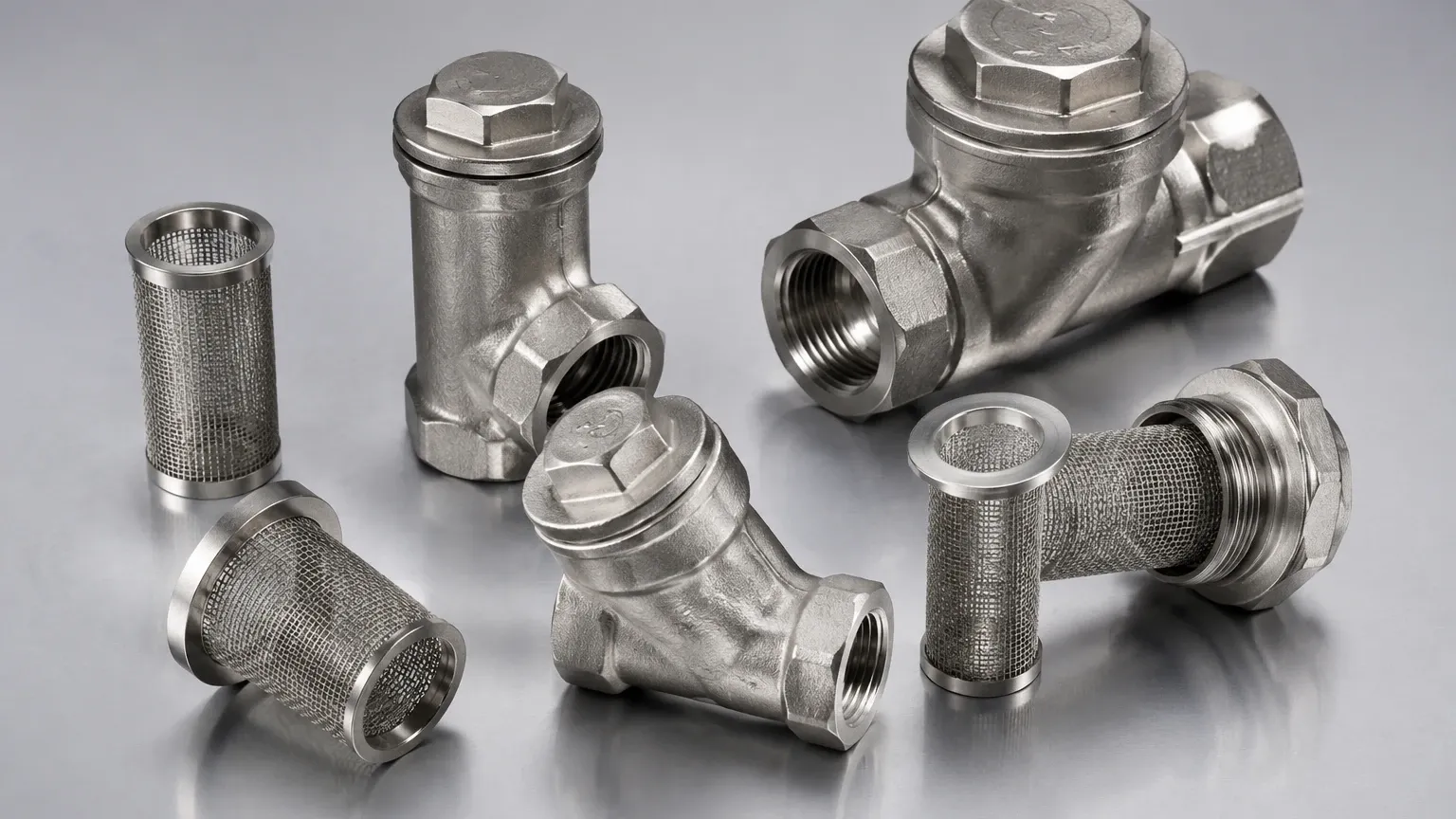
The primary function of these Strainers & Baskets is to intercept debris—such as pipe scale, weld slag, or external contaminants—before they can enter and damage delicate internal mechanisms. In many industrial contexts, even a single particle larger than the internal clearances of a valve can cause the valve to stick, leak, or fail entirely. By integrating a high-quality stainless steel strainer, engineers ensure the longevity and reliability of the entire system.
Key Design Configurations for 1/2 Inch Strainers
When specifying a strainer 1 2 inch, engineers generally choose between two primary configurations: the Y-strainer and the basket strainer. Each design offers distinct advantages depending on the installation space and the nature of the fluid being processed.
Y-Strainers
The Y-strainer is the most common design for 1/2 inch applications. Its name is derived from its shape, where the filtering element is housed in a leg that branches off the main flow path at an angle.
* Space Efficiency: Y-strainers are compact and can be installed in either horizontal or vertical orientations (provided the "leg" points downward to collect debris).
* High Pressure Capability: Due to their streamlined design, they are often rated for higher pressures, making them suitable for steam and high-pressure gas lines.
* Blow-off Capability: Many Y-strainers feature a threaded plug in the cap, allowing for the installation of a blow-off valve. This enables cleaning of the screen without stopping the flow or opening the strainer body.
Basket Strainers
While less common in 1/2 inch sizes than Y-strainers, basket strainers are utilized when high dirt-holding capacity is required or when frequent manual cleaning is expected.
* Larger Surface Area: The basket design typically offers a larger filtration area than a Y-strainer of the same pipe size, which results in a lower initial pressure drop and longer intervals between cleanings.
* Ease of Maintenance: Basket strainers are generally designed for horizontal installation. The top-entry cover allows for quick removal of the basket for cleaning or replacement.
Material Selection: Why Stainless Steel is the Industrial Standard
For industrial applications, the material of construction for a strainer 1 2 inch is a non-negotiable factor. While bronze or cast iron may suffice for simple water utility lines, industrial processes involving chemicals, high temperatures, or hygiene requirements demand stainless steel.
Grade 304 Stainless Steel
Grade 304 is the standard choice for general industrial use. It offers excellent resistance to atmospheric corrosion and many organic and inorganic chemicals. It is widely used in the food and beverage industry where sanitation and durability are required but where the environment is not excessively acidic or saline.
Grade 316 Stainless Steel
For more demanding environments, Grade 316 stainless steel is preferred. The addition of molybdenum enhances its resistance to pitting and crevice corrosion, particularly in chloride-rich environments. This makes it the ideal choice for pharmaceutical manufacturing, chemical processing plants, and marine applications. Kaifil specializes in manufacturing these components to ensure they withstand the rigors of aggressive fluid media.
Technical Specifications and Performance Metrics
To ensure a strainer 1 2 inch performs as expected, engineers must evaluate several technical parameters during the selection process. Overlooking these metrics can lead to system inefficiencies or premature failure.
Pressure Drop (Delta P)
Every strainer introduces some resistance to flow. The pressure drop is the difference in pressure between the inlet and the outlet of the strainer. It is influenced by the fluid's viscosity, flow rate, and the percentage of open area in the mesh. A well-designed 1/2 inch strainer should minimize this drop to maintain system efficiency. Engineers should consult flow coefficient (Cv) charts to predict the pressure drop across the strainer at various flow rates.
Mesh and Micron Ratings
The "tightness" of the filtration is determined by the mesh or micron rating of the internal screen.
* Mesh: Refers to the number of openings per linear inch. A higher mesh number indicates a finer screen.
* Micron: Refers to the actual size of the openings in micrometers.
Choosing the correct rating is a balance: a mesh that is too coarse will allow damaging particles to pass through, while a mesh that is too fine will clog rapidly, necessitating frequent maintenance and causing excessive pressure drops.
Connection Types
For a 1/2 inch line, the connection type is critical for leak prevention and ease of installation. Common options include:
* NPT (National Pipe Thread): The standard tapered thread used in North America for creating pressure-tight seals.
* BSP (British Standard Pipe): Common in Europe and many other international markets.
* Socket Weld: Used in high-pressure or high-temperature applications where a permanent, leak-proof welded joint is required.
Critical Evaluation Criteria for Purchasing
Before finalizing the procurement of a strainer 1 2 inch, purchasing teams and engineers should confirm the following details with the manufacturer:
1. Operating Pressure and Temperature: Ensure the strainer body and internal seals (such as PTFE or Viton gaskets) are rated for the maximum expected system conditions. Thermal expansion and pressure surges must be accounted for.
2. Fluid Compatibility: Verify that all wetted parts, including the mesh, housing, and gaskets, are chemically compatible with the process fluid to prevent corrosion or leaching.
3. Filtration Surface Area: Inquire about the "ratio of open area." A higher ratio (e.g., 6:1) means the strainer has six times the open area of the pipe cross-section, which significantly improves the time between cleanings.
4. Seal Quality: For applications involving hazardous or high-purity fluids, the integrity of the cover seal is paramount. High-quality O-rings or flat gaskets are necessary to prevent external leakage.
Common Risks and Mitigation Strategies
Even a high-quality strainer 1 2 inch can fail if not managed correctly. Understanding common risks allows for better system design and maintenance planning.
Clogging and Starvation
If a strainer is not cleaned regularly, the accumulated debris will restrict flow. In suction-side applications (upstream of a pump), this can lead to cavitation, which destroys pump impellers and seals. Mitigation involves installing pressure gauges upstream and downstream of the strainer to monitor the differential pressure. When the pressure drop exceeds a predetermined limit, maintenance is required.
Mesh Collapse
If the pressure differential across the mesh becomes too high due to heavy loading, the mesh screen can collapse or tear. This allows all captured debris to flush downstream at once. Selecting a strainer with a reinforced perforated metal backup for the fine mesh screen can prevent this failure mode.
Galvanic Corrosion
Installing a stainless steel strainer in a system with dissimilar metal piping (like carbon steel) can lead to galvanic corrosion if the fluid is conductive. Using dielectric unions or ensuring the entire system uses compatible materials is a necessary engineering step.
Maintenance and Longevity in Demanding Environments
The longevity of a strainer 1 2 inch is largely dependent on the maintenance protocol. Unlike disposable filters, stainless steel strainers are designed to be cleaned and reused indefinitely.
For Y-strainers, the blow-off port should be utilized periodically to flush out loose debris. However, a periodic full teardown is recommended to inspect the mesh for signs of wear, fatigue, or permanent blinding (where particles become wedged in the mesh and cannot be washed out).
In the food and pharmaceutical sectors, "clean-in-place" (CIP) compatibility is essential. This requires the strainer to have smooth internal surfaces and no "dead legs" where bacteria could proliferate. Kaifil's precision manufacturing ensures that internal finishes meet the stringent requirements of these hygienic industries.
Why Engineering Specification Matters
A strainer 1 2 inch might seem like a commodity item, but for the engineer responsible for a multi-million dollar chemical plant or a high-speed bottling line, it is a critical safety component. Choosing a manufacturer like Kaifil, which focuses on custom stainless steel filtration solutions, ensures that the component is built to the exact specifications required by the application.
Customization options often include specific mesh weaves, reinforced baskets, or specialized housing materials that are not available in off-the-shelf products. By working closely with a manufacturer that understands the nuances of industrial filtration, engineering teams can optimize their systems for performance, safety, and total cost of ownership.
When evaluating Strainers & Baskets, always prioritize technical verification over initial purchase price. The cost of a high-quality stainless steel strainer is a fraction of the cost of the equipment it protects. Ensuring that every 1/2 inch line in your facility is equipped with the correct filtration technology is a fundamental step toward operational excellence.
