


Basket Strainer 20 Inch
In large-scale industrial fluid handling, the integrity of downstream equipment such as pumps, valves, and heat exchangers depends heavily on the efficiency of primary filtration. A basket strainer 20 inch is a critical component designed for high-flow piping systems where the removal of large volumes of solids is necessary to prevent mechanical damage and process downtime. As a specialized manufacturer, Kaifil provides engineered Strainers & Baskets that meet the rigorous demands of chemical processing, water treatment, and heavy industrial applications.
Selecting a 20-inch unit requires a deep understanding of fluid dynamics, material science, and mechanical engineering. Unlike smaller filtration components, a strainer of this magnitude must handle significant hydraulic forces and substantial debris loads while maintaining a manageable pressure drop. This guide explores the technical specifications, selection criteria, and operational considerations essential for engineers and procurement teams managing large-diameter filtration projects.
Understanding the Role of Large-Scale Basket Strainers
A basket strainer 20 inch serves as a coarse filtration or "slug" removal device. Its primary function is to protect expensive infrastructure from large particulates, scale, and foreign objects. Because a 20-inch pipe can transport thousands of gallons per minute (GPM), the strainer housing must be designed with a high open-area ratio to ensure that the filtration process does not become a bottleneck in the system.
The "basket" design is preferred over Y-strainers for large-diameter pipes because it offers a greater dirt-holding capacity and a lower pressure drop. In a 20-inch system, the volume of fluid being processed means that even a small percentage of solids can quickly accumulate. The larger internal surface area of a basket allows for longer run times between cleaning cycles, which is vital for maintaining continuous industrial processes.
Engineering Specifications and Design Standards
When specifying a basket strainer 20 inch, engineers must adhere to several mechanical standards to ensure safety and performance. Most industrial units are designed according to ASME (American Society of Mechanical Engineers) Section VIII standards for pressure vessels, even if they are not officially stamped as such. Key specifications include:
Flange Connections and Pressure Ratings
For a 20-inch pipe, the flange connection is typically the standard interface. Common ratings include ANSI Class 150, 300, or 600. The choice of flange rating depends on the maximum operating pressure and temperature of the system. A 20-inch Class 150 strainer is generally rated for approximately 285 PSI at ambient temperatures, though this decreases as the temperature rises.
Housing Construction
Large-diameter strainers are often fabricated rather than cast. Fabrication allows for greater customization of the nozzle positions (inlet/outlet) and the overall height of the unit. For a basket strainer 20 inch, the housing must be robust enough to withstand the weight of the fluid and the internal pressure. Reinforced legs or mounting pads are standard to ensure the unit is properly supported within the piping layout.
Cover Types
The method of accessing the basket is a major operational consideration. For 20-inch units, the cover can be heavy. Options include:
* Bolted Covers: The most cost-effective and secure for high-pressure applications but require more time to open.
* Swing Bolt / Quick-Opening Covers: These allow for faster access without the need for specialized tools, which is beneficial in systems requiring frequent cleaning.
* Davit Arms: Because a 20-inch cover can weigh several hundred pounds, a davit arm (a built-in crane mechanism) is often integrated to allow a single operator to lift and swing the cover away safely.
Material Selection for Durability and Compatibility
The choice of material for both the housing and the internal basket is dictated by the chemical composition of the fluid and the environmental conditions. Stainless steel is the industry standard for high-performance applications due to its corrosion resistance and structural integrity.
304 Stainless Steel
304 stainless steel is suitable for many industrial water applications, food and beverage processing, and less aggressive chemical environments. It provides excellent strength and good resistance to atmospheric corrosion.
316 Stainless Steel
For applications involving chlorides, seawater, or aggressive chemicals, 316 stainless steel is required. The addition of molybdenum enhances its resistance to pitting and crevice corrosion. In a 20-inch system where replacement costs are high, choosing 316 stainless steel often results in a lower total cost of ownership by extending the service life of the equipment.
Specialized Alloys
In extreme cases, such as highly acidic environments in chemical plants, alloys like Duplex stainless steel or Hastelloy may be used for the internal basket to prevent rapid degradation.
Optimizing Flow Rates and Managing Pressure Drop
In a basket strainer 20 inch, the relationship between flow rate and pressure drop (PSID) is the most critical performance metric. Engineers must calculate the "clean pressure drop" to ensure the pump system has enough head to overcome the resistance of the strainer.
Open Area Ratio (OAR)
The OAR is the ratio of the total open area of the basket's mesh or perforations to the cross-sectional area of the inlet pipe. For a 20-inch strainer, a high OAR (typically 6:1 or higher) is desirable. A higher OAR means the fluid velocity through the mesh is lower, which reduces the pressure drop and lessens the impact of particles hitting the mesh, thereby extending the life of the basket.
Mesh and Perforation Selection
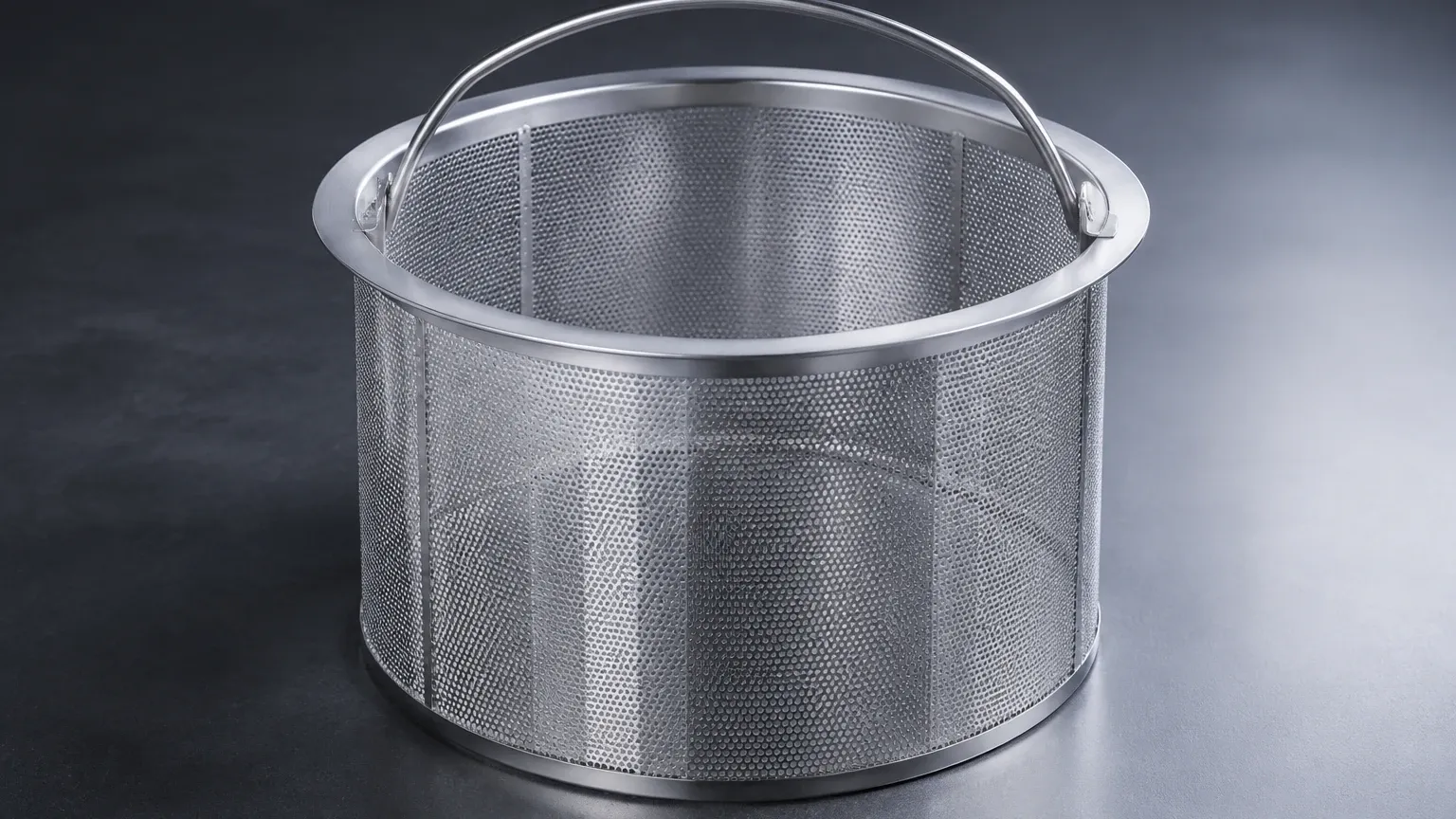
The filtration level is determined by the basket's lining. Options range from coarse perforated plate (1/8" or 1/4" holes) to fine wire mesh (down to 40 microns or finer). In a 20-inch system, using a mesh that is too fine can lead to rapid clogging. Often, a "staged" approach is used where a heavy-duty perforated basket supports a finer mesh liner, providing both mechanical strength and precision filtration.
Maintenance Protocols for Large-Diameter Strainers
Maintaining a basket strainer 20 inch requires planned procedures to ensure operator safety and system efficiency. Because of the size and weight of the components, maintenance cannot be treated as a minor task.
1. Differential Pressure Monitoring: The most effective way to determine when a basket needs cleaning is by monitoring the pressure differential across the inlet and outlet. Gauges should be installed on both sides. A typical rule of thumb is to clean the basket when the pressure drop reaches 5-10 PSID above the clean reading.
2. Basket Removal: Once the system is depressurized and drained, the cover is opened. In a 20-inch unit, the basket itself may be quite large and heavy when filled with debris. Lifting handles or lugs are essential features that allow for the use of overhead hoists if necessary.
3. Cleaning and Inspection: Baskets should be cleaned using high-pressure water or steam, depending on the contaminant. During cleaning, the mesh should be inspected for signs of wire fatigue, bypass, or structural deformation. Even small gaps in the mesh can allow harmful particulates to pass through to downstream equipment.
Total Cost of Ownership (TCO) Considerations
When purchasing a basket strainer 20 inch, the initial acquisition price is only one part of the financial equation. Purchasing teams should evaluate the following to determine the TCO:
* Frequency of Cleaning: A larger basket or a more efficient design may have a higher upfront cost but reduces labor costs and downtime by extending cleaning intervals.
* Durability of Internals: High-quality stainless steel baskets manufactured with precision welding will outlast cheaper alternatives that may suffer from mesh separation under high flow velocities.
* Seal Longevity: The type of O-ring or gasket used in the cover must be compatible with the process fluid to prevent leaks. Using high-grade Viton or EPDM seals can prevent frequent replacements.
Customization and OEM Solutions
Standard off-the-shelf strainers may not always fit the specific spatial or performance requirements of a complex industrial plant. Kaifil specializes in providing customized Strainers & Baskets that can be tailored to unique engineering challenges. Customization options for a 20-inch unit include:
* Modified Nozzle Orientations: Adjusting the inlet and outlet to fit existing piping footprints, such as offset or right-angle configurations.
* Specialized Coatings: Applying epoxy or other protective linings for specific chemical resistance.
* Reinforced Baskets: Designing baskets with extra support ribs to handle high-viscosity fluids or extreme pressure surges.
* Automated Blow-down Valves: Integrating automated valves at the bottom of the strainer to allow for the removal of heavy sludge without opening the cover.
Conclusion
The implementation of a basket strainer 20 inch is a significant investment in the protection of industrial fluid systems. By focusing on engineering fundamentals—such as material compatibility, pressure drop management, and ease of maintenance—engineers can ensure that their filtration solution provides reliable performance for years. Whether for a new installation or a system upgrade, selecting a manufacturer that understands the technical nuances of large-scale stainless steel filtration is essential for operational success.
