


Wire Mesh for Water Filter: An Engineering Guide to Industrial Filtration Solutions
In industrial water treatment, the selection of filtration media is a critical decision that impacts system efficiency, equipment longevity, and total operational costs. Stainless steel wire mesh has emerged as a primary choice for engineers due to its mechanical strength, thermal stability, and precise pore geometry. Unlike disposable polymer cartridges, wire mesh components provide a reusable, high-performance solution capable of withstanding the rigorous demands of chemical processing, power generation, and large-scale water reclamation.
This guide examines the technical specifications, material considerations, and structural designs of wire mesh for water filter applications, providing the factual data necessary for engineers and purchasing teams to optimize their filtration processes.
Fundamentals of Wire Mesh for Water Filter Applications
The primary function of wire mesh in water filtration is mechanical sieving. It acts as a surface filter, where particles larger than the mesh openings are retained on the upstream side of the medium. This process is distinct from depth filtration, where particles are trapped within a thick matrix of fibers.
Weave Types and Their Impact
The performance of a wire mesh for water filter is largely determined by its weave pattern. Each pattern offers a different balance of flow rate, mechanical strength, and filtration accuracy:
1. Plain Weave: The most common configuration where each warp wire crosses over and under each shute wire. It provides a high open area and low pressure drop, making it ideal for coarse filtration and high-flow rate applications.
2. Twill Weave: Each shute wire passes over and under two warp wires. This allows for a heavier wire diameter for a given mesh count, increasing the mechanical strength of the filter.
3. Dutch Weave (Plain and Twill): These weaves use a larger diameter warp wire and a smaller diameter shute wire driven closely together. This creates a dense, strong mesh with small, triangular openings. Dutch weaves are preferred for fine filtration (down to 5–10 microns) where high pressure and durability are required.
Material Science: Selecting the Right Alloy
Industrial water varies significantly in chemical composition, temperature, and pH levels. Selecting the appropriate stainless steel alloy is essential to prevent premature failure due to corrosion or mechanical fatigue.
SS304 vs. SS316L
* Type 304 Stainless Steel: The standard grade for general water filtration. It offers good corrosion resistance in most freshwater applications. However, it is susceptible to pitting in environments with high chloride concentrations.
* Type 316L Stainless Steel: Contains molybdenum, which significantly enhances resistance to chloride-induced pitting and crevice corrosion. For seawater applications, brackish water, or industrial process water containing chemicals, 316L is the engineering standard. The "L" denotes low carbon content, which improves weldability and prevents intergranular corrosion in the heat-affected zones of the filter assembly.
Advanced Alloys
In extreme environments, such as high-temperature steam or highly acidic process water, specialty alloys like 904L or Hastelloy may be required. However, for the vast majority of industrial Wire Mesh Filter Cylinders & Tubes, 316L provides the best balance of performance and cost-effectiveness.
Structural Design: Wire Mesh Filter Cylinders & Tubes
To integrate wire mesh into an industrial system, the mesh must be formed into a stable structural component. The most common geometry is the cylinder, which provides a high surface-area-to-volume ratio and can be easily integrated into standard housing units.
Multi-Layer and Sintered Mesh
Single-layer wire mesh often lacks the mechanical rigidity required for high-pressure water systems. To address this, engineers utilize multi-layer structures:
* Support Layers: A fine filtration mesh is bonded to one or more layers of coarser, heavier mesh. This provides the necessary support to prevent the fine mesh from deforming under differential pressure.
* Sintering: Sintered wire mesh is created by diffusion-bonding multiple layers together using heat and pressure. This process fuses the wires at every contact point, creating a monolithic structure that maintains precise pore sizes even under extreme mechanical stress. Sintered Wire Mesh Filter Cylinders & Tubes are the preferred choice for applications requiring backwashing or high-pressure pulses.
Reinforcement with Perforated Metal
For large-scale industrial filters, the wire mesh is often wrapped around or inserted into a perforated metal core. This core acts as the primary skeleton, bearing the hydraulic load of the system while the mesh performs the actual filtration. This combination ensures that the filter can withstand significant pressure drops without collapsing.
Performance Evaluation and Selection Metrics
When specifying wire mesh for water filter components, engineers must evaluate several key performance metrics to ensure the filter meets the application requirements.
Micron Rating: Nominal vs. Absolute
* Nominal Rating: Refers to the ability of the filter to retain a certain percentage (usually 60% to 90%) of particles of a specific size. It is a general guideline rather than a strict limit.
* Absolute Rating: Defines the size of the largest spherical particle that can pass through the mesh. In precision water treatment, absolute ratings are critical for protecting downstream equipment like high-pressure pumps or reverse osmosis (RO) membranes.
Open Area and Flow Capacity
The open area percentage determines the flow capacity and the initial pressure drop ($ΔP$) across the filter. A higher open area reduces energy consumption by allowing water to pass through with less resistance. However, increasing the open area often requires using thinner wires, which can compromise the mechanical strength of the filter. Engineers must find the optimal balance between flow efficiency and structural integrity.
Dirt Holding Capacity
Because wire mesh is a surface medium, its dirt holding capacity is lower than that of depth filters. However, this is mitigated by the fact that wire mesh is easily cleaned. The design of the filter—specifically the use of pleating—can significantly increase the available surface area, thereby extending the time between cleaning cycles.
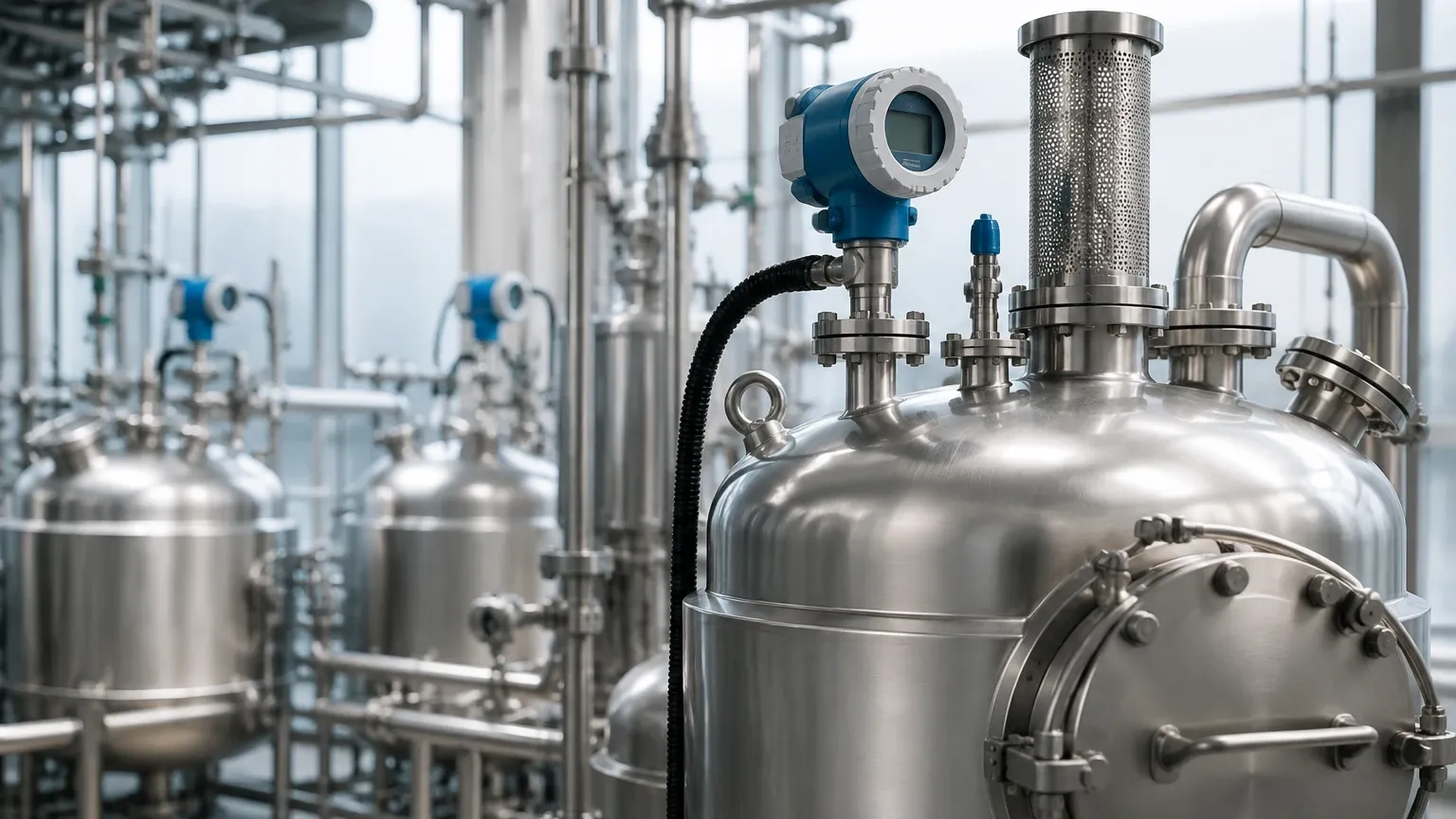
Industrial Application Scenarios
Stainless steel wire mesh filters are utilized across a broad spectrum of industries, each with unique operational constraints.
Pre-filtration for Reverse Osmosis (RO)
In desalination and boiler feed water systems, RO membranes are highly sensitive to particulate fouling. Wire Mesh Filter Cylinders & Tubes are used as pre-filters to remove suspended solids, protecting the expensive membranes and reducing the frequency of chemical cleanings.
Cooling Tower Water Filtration
Cooling towers are prone to accumulating scale, sand, and biological debris. Wire mesh filters in a side-stream or full-flow configuration remove these contaminants, preventing the clogging of heat exchanger tubes and maintaining the thermal efficiency of the cooling system.
Food and Beverage Processing
In the food industry, filtration media must be non-toxic and capable of withstanding Clean-in-Place (CIP) procedures. Stainless steel wire mesh is naturally inert and can be sterilized with high-temperature steam or caustic chemicals, making it ideal for filtering process water used in ingredient mixing or equipment rinsing.
Installation, Operation, and Maintenance
The longevity of a wire mesh for water filter depends on proper installation and a disciplined maintenance regimen.
Sealing and Housing Integration
Leakage around the filter element (bypass) is a common cause of filtration failure. Engineers must ensure that the filter cylinders are equipped with reliable sealing mechanisms, such as EPDM or Viton O-rings, or flat gaskets. The end caps of the filter tubes must be precision-engineered to seat perfectly within the filter housing.
Cleaning Methods
One of the primary advantages of stainless steel mesh is its cleanability. Common methods include:
* Backwashing: Reversing the flow of water through the filter to dislodge accumulated particles. This is often automated in industrial systems.
* Ultrasonic Cleaning: For fine mesh or sintered filters that have become deeply fouled, ultrasonic baths can remove microscopic particles trapped within the weave.
* Chemical Cleaning: Using acids or bases to dissolve scale or organic matter. The corrosion resistance of SS316L allows for the use of aggressive cleaning agents that would destroy polymer filters.
Monitoring Differential Pressure
Systems should be equipped with differential pressure sensors. A rise in $ΔP$ indicates that the filter is becoming loaded with contaminants. Establishing a clear threshold for cleaning or replacement prevents the risk of filter deformation or "breakthrough," where pressure forces contaminants through the mesh.
Engineering Checklist for International Buyers
Before procuring wire mesh for water filter components, international buyers and engineers should confirm the following technical details with the manufacturer:
1. Material Certification: Request Mill Test Reports (MTRs) to verify the grade of stainless steel (e.g., SS316L vs. SS304).
2. Micron Retention: Specify whether the required rating is absolute or nominal.
3. Operating Conditions: Provide the maximum operating pressure, temperature, and expected flow rate.
4. Chemical Compatibility: Disclose any chemicals present in the water, such as chlorine or ozone, which can affect material selection.
5. Customization Requirements: Determine if custom end-cap configurations, lengths, or diameters are needed to fit existing housings.
By focusing on these factual engineering parameters, organizations can ensure they implement a filtration solution that provides reliable performance and a low total cost of ownership. Stainless steel wire mesh remains the most robust and versatile option for modern industrial water treatment challenges.
