


Filtered Packs One Piece
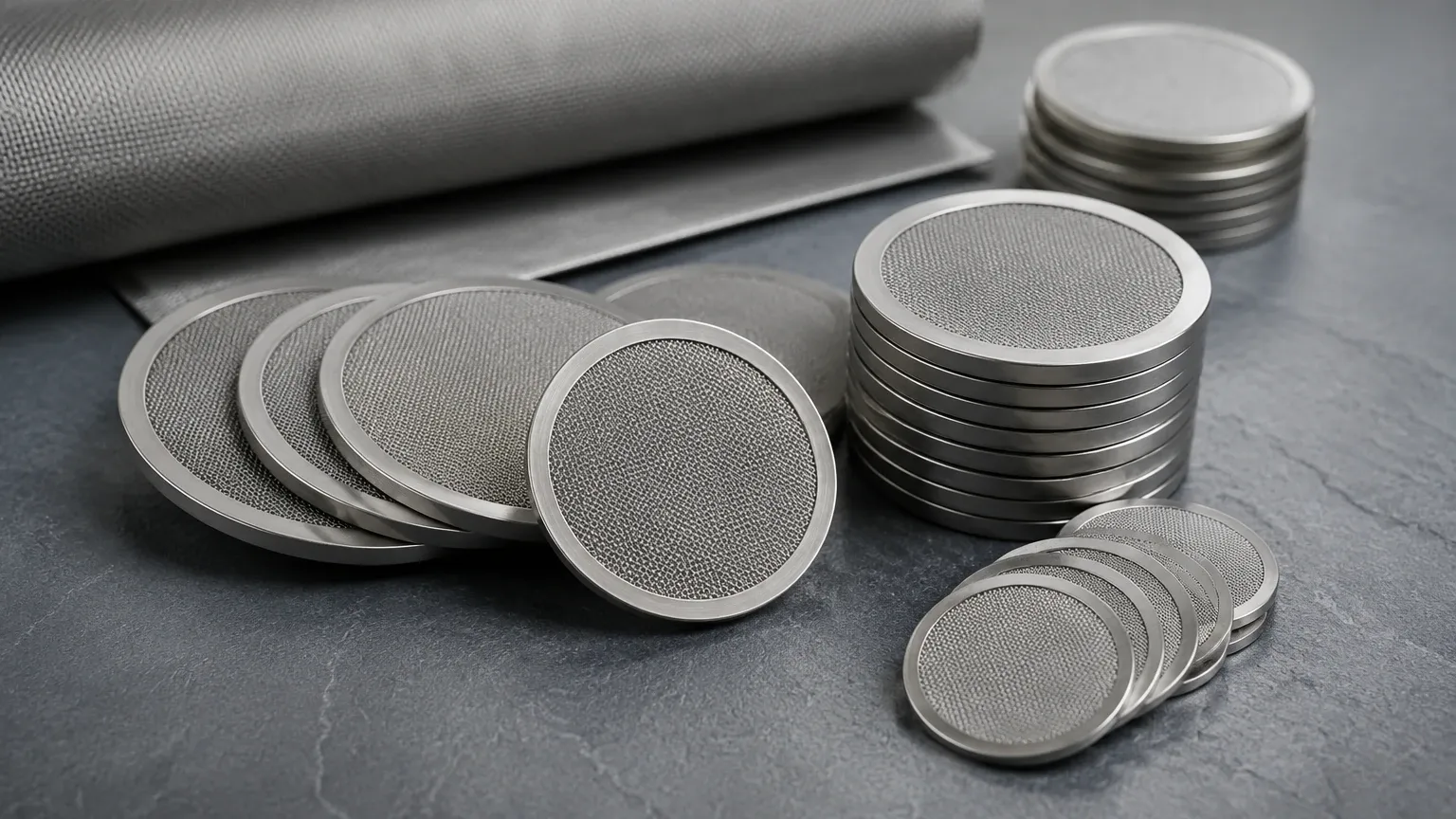
In industrial filtration, the integrity of the filter medium under high-pressure conditions is paramount. For many engineers and production managers, the transition from loose mesh discs to a filtered packs one piece design represents a significant upgrade in both process reliability and operational efficiency. These integrated units, often referred to as multi-layer bound packs, are engineered to provide precise micron retention while maintaining structural stability in demanding environments such as polymer extrusion, chemical processing, and hydraulic systems.
As a specialized manufacturer of stainless steel filtration solutions, Kaifil provides high-performance Filter Discs & Packs designed to meet the rigorous standards of modern industry. Understanding the technical nuances of one-piece filtered packs is essential for selecting the right component for your specific application.
The Engineering Behind One-Piece Filtered Packs
A filtered pack one piece is not merely a stack of mesh; it is a precision-engineered assembly where multiple layers of wire cloth are permanently joined. This integration is typically achieved through spot welding or by enclosing the edges in a metal rim (often aluminum or stainless steel).
Multi-Layer Stratification
The performance of these packs relies on the strategic layering of different mesh counts. A standard configuration might include:
1. The Filtration Layer: The central layer (or layers) featuring the finest mesh, which determines the absolute or nominal micron rating of the pack.
2. The Support Layer: Coarser mesh layers placed on either side of the filtration layer to provide mechanical strength and prevent the fine mesh from deforming under high differential pressure.
3. The Drainage Layer: Often the outermost layers, these facilitate the uniform flow of the fluid across the entire surface area of the filter, preventing localized clogging.
Integration Methods
The "one piece" designation usually refers to how these layers are held together.
* Spot-Welded Packs: Small, precise welds are applied at intervals around the circumference or across the surface. This method is cost-effective and ideal for applications where the pack is housed in a tight-fitting recessed cavity.
* Rimmed/Bound Packs: The layers are compressed and secured within a metal U-channel or frame. This is the preferred choice for high-pressure polymer extrusion because the rim acts as a gasket, ensuring that no unfiltered material can bypass the edges of the pack.
Material Considerations for Industrial Durability
Material selection is the first line of defense against chemical corrosion and thermal degradation. In the production of filtered packs one piece, stainless steel is the industry standard due to its versatility and resilience.
Stainless Steel 304 vs. 316L
* SS 304: Suitable for general industrial applications where moisture and mild chemicals are present. It offers excellent mechanical strength and is the most economical choice for standard filtration tasks.
* SS 316L: The "L" stands for low carbon, which improves weldability and resistance to intergranular corrosion. SS 316L contains molybdenum, making it significantly more resistant to chlorides and acidic environments. This is often the requirement for pharmaceutical and chemical processing.
Specialty Alloys
For extreme environments involving highly corrosive fluids or temperatures exceeding 400°C, manufacturers may utilize specialty alloys like Monel, Inconel, or Hastelloy. These materials ensure that the filtered packs maintain their pore geometry and structural integrity even when exposed to aggressive media that would degrade standard stainless steel.
Key Advantages of One-Piece Designs
Why should an engineering team specify a filtered packs one piece assembly rather than using individual loose discs? The benefits extend across the entire lifecycle of the filtration system.
Elimination of Bypass Risks
In a stack of loose discs, there is a risk that individual layers may shift during installation or under the surge of process pressure. If a gap forms at the edge, the fluid will follow the path of least resistance, bypassing the filtration medium entirely. A bound one-piece pack eliminates this risk by sealing the edges, ensuring 100% of the media passes through the mesh.
Simplified Inventory and Installation
Managing a single SKU for a multi-layer pack is significantly easier than tracking multiple mesh sizes and disc diameters. During maintenance or screen changes, operators can quickly swap out one pack rather than painstakingly stacking individual discs in the correct order. This reduces the risk of human error, such as placing the fine mesh in the wrong sequence, which can lead to premature filter failure or downstream contamination.
Enhanced Pressure Resistance
The structural synergy of a one-piece pack allows it to withstand much higher differential pressures than loose mesh. The outer support layers reinforce the inner filtration layer, preventing "ballooning" or tearing of the fine wires when the pressure drop across the filter increases as it captures contaminants.
Critical Performance Metrics for Selection
When evaluating Filter Discs & Packs, engineers must look beyond simple dimensions. Several technical factors determine how the pack will perform in a real-world production environment.
Filtration Accuracy (Micron Rating)
It is vital to distinguish between nominal and absolute micron ratings. A nominal rating refers to the ability of the mesh to retain a certain percentage of particles of a specific size, whereas an absolute rating indicates the size of the largest spherical particle that can pass through the mesh. For high-precision applications like fiber spinning or film production, absolute ratings are generally required.
Dirt Holding Capacity
This metric defines how much contaminant the pack can hold before the pressure drop reaches a critical limit. A one-piece pack with a pleated design or a specific sequence of graduated mesh layers can significantly increase dirt-holding capacity, thereby extending the time between filter changes and reducing downtime.
Flow Rate and Pressure Drop
Every filter introduces a resistance to flow. The goal is to achieve the required filtration fineness with the lowest possible initial pressure drop. This is influenced by the open area of the mesh. High-quality one-piece packs use precision-woven wire cloth to maximize the open area without compromising the strength of the weave.
Applications Across Industries
The versatility of the filtered packs one piece makes it a staple in various sectors where fluid purity is non-negotiable.
Polymer and Plastic Extrusion
In the production of plastic resins, films, and fibers, "gel" particles and carbonized material must be removed to prevent defects in the final product. One-piece packs are used in screen changers to provide a clean melt. The rimmed design is particularly important here to withstand the immense pressures (often exceeding 3,000 PSI) of the extrusion process.
Chemical and Petrochemical Processing
From catalyst recovery to the filtration of aggressive solvents, stainless steel packs provide the necessary chemical resistance. The one-piece construction allows for easy cleaning and reuse in some applications, although many high-precision chemical processes treat them as high-performance consumables.
Food and Beverage
In the filtration of edible oils or syrups, the materials must be FDA-compliant. Stainless steel 316L one-piece packs are preferred because they do not shed fibers (unlike some fabric filters) and can be sterilized using high-temperature steam or chemical CIP (Clean-In-Place) cycles.
Hydraulic and Lubrication Systems
Protecting sensitive valves and pumps from particulate wear is essential for the longevity of hydraulic machinery. One-piece packs are often integrated into inline filters to capture metal shavings and environmental dust that can cause catastrophic system failure.
Customization and OEM Capabilities
No two industrial processes are identical, which is why customization is a core component of Kaifil's service. When specifying a filtered packs one piece, several variables can be tailored to the application:
* Shape and Size: While circular discs are most common, packs can be manufactured in oval, rectangular, or ring shapes to fit specific housing geometries.
* Layer Configuration: Engineers can specify the exact mesh count and wire diameter for each layer to balance filtration fineness with mechanical strength.
* Rim Materials: Depending on the housing material and the operating temperature, rims can be made from aluminum, copper, or various grades of stainless steel.
* Surface Treatment: Options such as ultrasonic cleaning ensure that the packs are free of manufacturing oils and debris before they are installed in sensitive pharmaceutical or electronics applications.
Maintenance and Replacement Cycles
Determining when to replace a filtered pack is a balance of economics and process safety. Most systems are equipped with pressure transducers that monitor the differential pressure (ΔP) across the filter.
Signs for Replacement
1. Terminal Pressure Drop: Once the ΔP reaches a pre-defined limit, the pack is considered "blinded" or clogged. Continuing to operate beyond this point can lead to mesh deformation or bypass.
2. Flow Rate Reduction: If the pump must work significantly harder to maintain the same output, it is an indicator that the filter surface is saturated.
3. Product Quality Issues: Any increase in downstream contaminants or a change in the physical properties of the filtrate suggests a breach in the filter medium.
While some heavy-duty stainless steel packs can be cleaned using burnout ovens or ultrasonic baths, the delicate nature of fine micron mesh often makes replacement the more reliable and cost-effective choice for maintaining consistent product quality.
Conclusion: Making an Informed Decision
Selecting the right filtered packs one piece requires a deep understanding of the fluid dynamics, chemical environment, and mechanical stresses of your process. By moving away from loose components and toward integrated, rimmed, or welded packs, industrial operations can achieve higher levels of consistency and safety.
When consulting with a manufacturer, ensure you have confirmed the required micron rating, the maximum operating pressure, and the chemical compatibility of the fluid with the filter material. At Kaifil, we combine manufacturing expertise with engineering support to deliver custom Filter Discs & Packs that optimize your filtration performance and protect your downstream equipment. Whether you are designing a new system or looking to improve the efficiency of an existing line, the right one-piece filtered pack is a critical investment in your operational success.
