


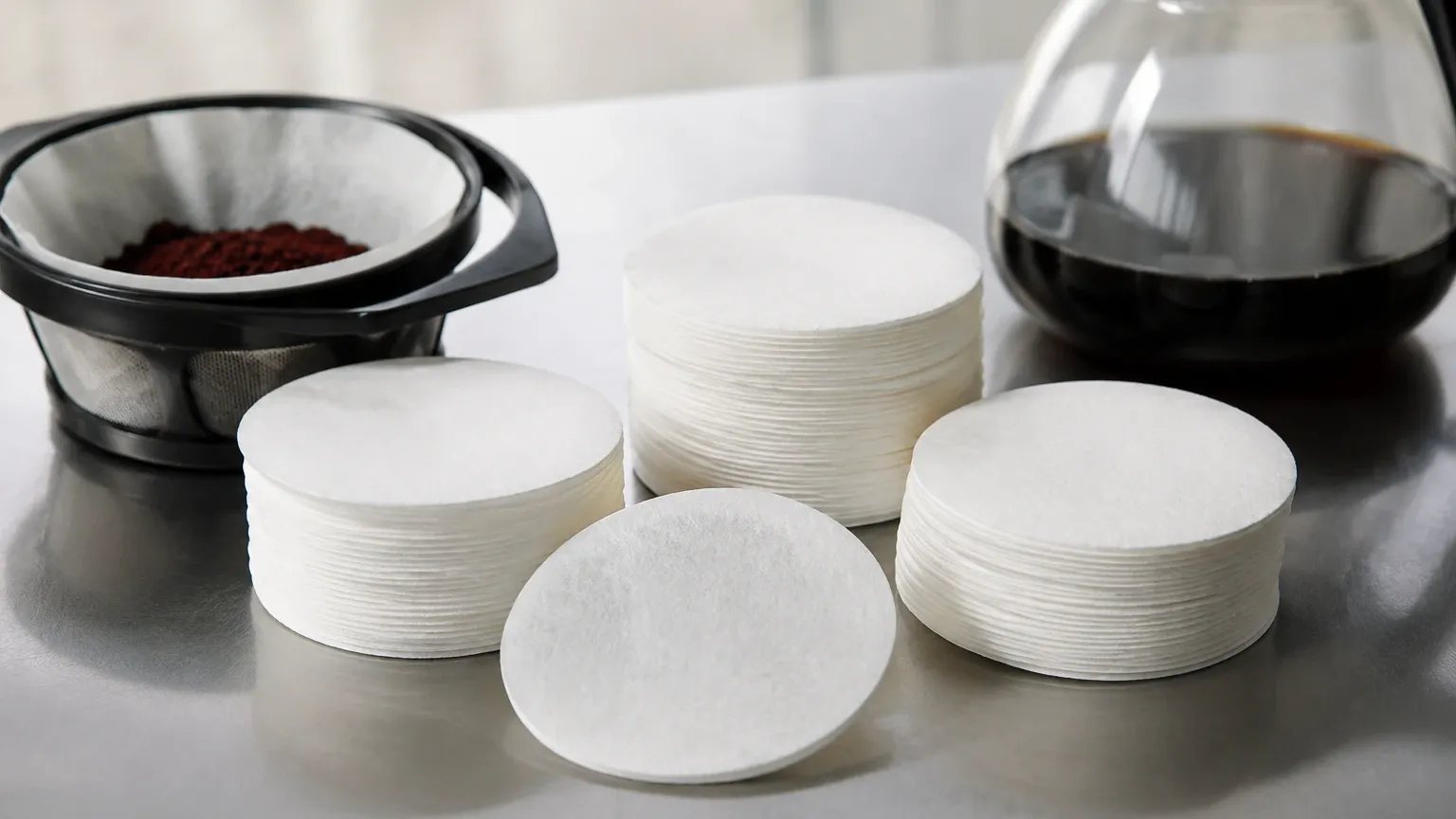
12 Cup Coffee Filter Packs
In the landscape of commercial food and beverage production, the efficiency of extraction processes hinges on the precision of the filtration media. While consumer-grade brewing often relies on disposable paper, industrial applications and high-volume commercial brewing systems require more robust, consistent, and cost-effective solutions. For organizations managing large-scale beverage programs or manufacturing brewing equipment, the transition to high-performance stainless steel Filter Discs & Packs represents a significant upgrade in both technical performance and long-term operational economy.
Industrial 12 cup coffee filter packs, when engineered from stainless steel wire mesh, provide a level of durability and filtration accuracy that paper cannot match. These components are not merely replacements for disposables; they are precision-engineered metal parts designed to withstand the rigors of continuous use, high temperatures, and chemical cleaning cycles common in the industrial sector.
Engineering Specifications of Industrial Filter Packs
The performance of a 12-cup filtration system is determined by the physical characteristics of the mesh used in the filter pack. Unlike paper, which has a random fiber distribution, stainless steel wire mesh offers a controlled, uniform pore size. This uniformity is critical for ensuring consistent flow rates and repeatable extraction profiles across thousands of brew cycles.
Weave Types and Micron Ratings
In industrial coffee filtration, the choice of weave affects both the flow resistance and the clarity of the final product. Common weave types include:
* Plain Weave: A simple over-and-under pattern that provides high flow rates and is easy to clean. It is typically used for coarser filtration where high sediment retention is not the primary goal.
* Twilled Weave: This allows for a heavier wire diameter and higher mesh counts, providing increased strength for high-pressure systems.
* Dutch Weave: Known for its superior strength and fine filtration capabilities, dutch weave is often employed in multi-layer filter packs to capture fine particulates while maintaining structural integrity.
For a standard 12-cup brewing application, micron ratings typically range from 50 to 150 microns. Engineering a pack within this range ensures that the essential oils—which contribute to the flavor profile—pass through the filter, while the insoluble solids are effectively retained.
Structural Integrity and Multi-Layer Designs
Industrial filter packs are often constructed as multi-layer components. A fine filtration mesh is sandwiched between coarser support layers. This design prevents the fine mesh from deforming under the weight of the wet grounds or the pressure of the water flow. These layers are typically bonded together using advanced spot welding or rim-binding techniques to ensure they do not delaminate during service.
Material Selection for Food-Grade Filtration
Material science plays a pivotal role in the longevity and safety of coffee filtration components. Because coffee is naturally acidic and brewing occurs at high temperatures (typically between 195°F and 205°F), the choice of alloy is critical to prevent corrosion and metallic leaching.
Stainless Steel 304 vs. 316
* Type 304 Stainless Steel: This is the standard "18/8" stainless steel used in the food industry. It offers excellent corrosion resistance and is highly cost-effective for most brewing environments.
* Type 316 Stainless Steel: For environments where the equipment is subjected to harsh cleaning chemicals (such as high-chlorine sanitizers) or where water quality is particularly aggressive, Type 316 is preferred. It contains molybdenum, which provides superior resistance to pitting and crevice corrosion.
Compliance and Safety Standards
For B2B procurement, ensuring that the materials meet international food safety standards is non-negotiable. High-quality stainless steel filter packs are manufactured from materials that comply with FDA and 3A Sanitary Standards. This ensures that the filter does not impart any off-flavors or contaminants into the beverage, maintaining the sensory integrity of the product.
Comparing Reusable Metal Discs vs. Disposable Paper Packs
When evaluating 12 cup coffee filter packs for industrial or commercial use, the comparison between reusable metal and disposable paper involves more than just initial purchase price. Engineers and procurement managers must consider the total cost of ownership (TCO) and the impact on the final product.
Extraction Dynamics
Paper filters are highly absorbent; they trap not only the coffee grounds but also the volatile oils and lipids that carry much of the coffee's flavor and body. In contrast, stainless steel filter discs allow these oils to pass into the carafe, resulting in a fuller-bodied beverage. Furthermore, paper can sometimes impart a "woody" or "papery" taste to the coffee if not pre-rinsed, a variable that is eliminated with stainless steel.
Environmental and Operational Impact
In a high-volume setting, the waste generated by thousands of paper filters is substantial. Switching to a permanent stainless steel pack reduces the solid waste stream and simplifies inventory management. Instead of tracking pallet-loads of paper, a facility manages a small set of durable metal components that can last for years with proper maintenance.
Cost-Benefit Analysis
While the upfront cost of a precision-engineered stainless steel filter pack is higher than a box of paper filters, the ROI is typically realized within months. For a commercial facility brewing 50 pots a day, the cumulative cost of paper, shipping, and disposal quickly exceeds the one-time investment in a high-quality metal filter.
Customization and OEM Integration for 12-Cup Systems
Not all 12-cup brewing systems are identical. Variations in basket geometry, flow dynamics, and mounting hardware require customized filtration solutions. Professional manufacturers like Kaifil specialize in providing tailored Filter Discs & Packs that meet exact OEM specifications.
Dimensional Precision
The outer diameter (OD) and the height of the filter pack must be precise to prevent "bypass." Bypass occurs when water flows around the edges of the filter rather than through the coffee bed, leading to weak, under-extracted coffee. Custom tooling allows for the production of discs with tolerances as tight as +/- 0.05mm.
Rim and Edge Treatments
To ensure safety and ease of handling, the edges of the filter packs can be finished in several ways:
* Welded Rims: The edges of the mesh layers are fused together, creating a smooth, snag-free perimeter.
* Folded/Hemmed Edges: The mesh is folded over a support ring, providing extra rigidity and a thicker sealing surface.
* Rubber or Silicone Gaskets: For systems requiring a hermetic seal, metal discs can be over-molded or fitted with food-grade gaskets.
Maintenance and Cleaning Protocols for Industrial Coffee Filters
To maintain the performance of stainless steel 12 cup coffee filter packs, a structured maintenance program is essential. Over time, coffee oils and fine particulates (fines) can accumulate within the mesh pores, leading to reduced flow rates and "stale" flavor carryover.
Daily Cleaning
After each brew cycle, the filter should be rinsed with hot water to remove the bulk of the grounds. In a commercial setting, a quick spray-down with a high-pressure nozzle is usually sufficient to keep the mesh clear for the next batch.
Deep Cleaning and Sanitization
Periodically, the filters require a more intensive cleaning to remove polymerized oils.
1. Chemical Soaking: Using a food-grade espresso machine cleaner or a mild caustic solution breaks down organic buildup.
2. Ultrasonic Cleaning: For multi-layer packs where fines may be trapped between layers, ultrasonic cleaning is the most effective method. The high-frequency sound waves create cavitation bubbles that dislodge particles from deep within the mesh.
3. Backwashing: If the system design allows, reversing the flow of water through the filter can help push out trapped particulates.
Procurement Considerations for Purchasing Teams
When sourcing 12 cup coffee filter packs for industrial applications, purchasing teams should evaluate suppliers based on technical capability rather than just unit price. Key factors to confirm before procurement include:
* Material Certification: Request Mill Test Reports (MTRs) to verify the grade of stainless steel and ensure it is lead-free and food-safe.
* Filtration Efficiency Data: Ask for technical data sheets that specify the micron rating and the percentage of open area. This information is vital for calculating expected flow rates.
* Durability Testing: Inquire about the burst strength and the expected number of cleaning cycles the filter can withstand before the mesh integrity is compromised.
* Supply Chain Reliability: For OEM partners, consistent lead times and the ability to scale production are critical for maintaining assembly line schedules.
By focusing on these technical parameters, engineers and buyers can ensure they select a filtration solution that optimizes the brewing process while minimizing long-term operational costs. Whether for a new line of commercial brewers or an upgrade to an existing industrial beverage plant, high-quality stainless steel filter packs provide the reliability and precision required by modern industry.
