


5 Micron Water Filter Cartridges
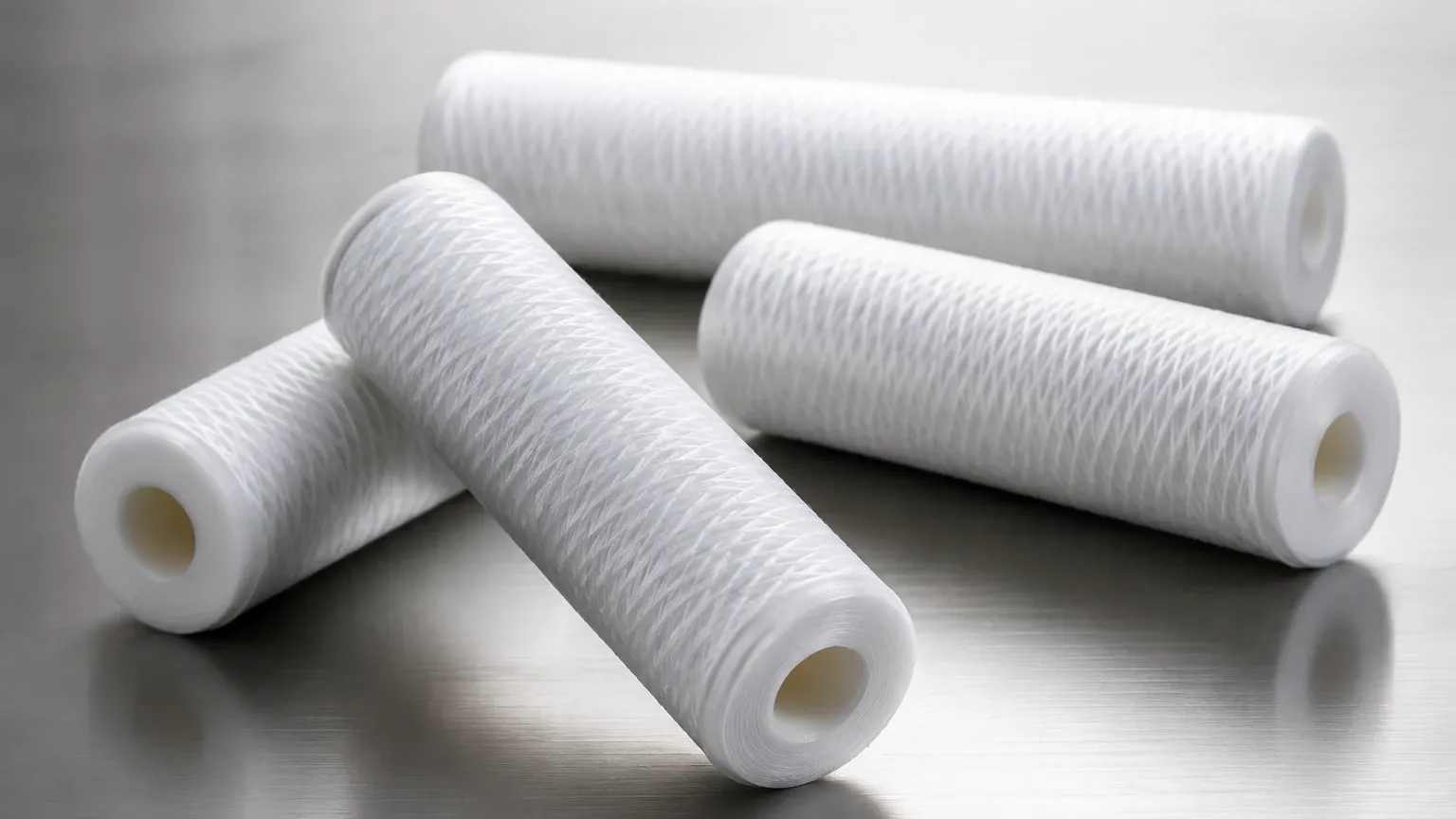
In industrial water treatment and process engineering, the selection of filtration media is a critical decision that impacts equipment longevity, product purity, and operational efficiency. Among the various specifications available, 5 micron water filter cartridges represent one of the most widely utilized standards for fine sediment removal and pre-filtration. These components serve as a primary defense mechanism, capturing particles that are invisible to the naked eye but large enough to damage sensitive downstream components like reverse osmosis (RO) membranes, high-pressure pumps, and spray nozzles.
For engineers and procurement professionals, understanding the technical nuances of 5-micron filtration is essential. This guide examines the engineering considerations, material science, and performance metrics associated with these Filter Cartridges, providing the factual foundation necessary for informed industrial selection.
Understanding the 5-Micron Threshold
A micron (micrometer) is one-millionth of a meter. To put a 5-micron rating into perspective, a human hair is typically between 50 and 70 microns in diameter, while the smallest particle visible to the unaided human eye is approximately 40 microns. Therefore, 5 micron water filter cartridges are designed to remove microscopic debris, including fine sand, silt, scale, and certain types of precipitated minerals.
In industrial water circuits, the 5-micron level is often considered the "sweet spot" for pre-filtration. It is fine enough to protect high-precision machinery but coarse enough to allow for high flow rates without an immediate, prohibitive pressure drop. However, the effectiveness of a 5-micron rating is heavily dependent on whether the rating is "nominal" or "absolute."
Nominal vs. Absolute Filtration
* Nominal Rating: This indicates that the filter will trap a high percentage (typically 60% to 80%) of particles at the 5-micron size. Nominal filters are often used in applications where total particle removal is not required, but protecting equipment from the bulk of sediment is necessary.
* Absolute Rating: An absolute-rated 5-micron filter is designed to remove 99.9% or more of particles at that specific size. These are critical in pharmaceutical, food and beverage, and chemical processing where strict purity standards must be met.
Material Engineering and Construction
While many commercial water filters utilize polymer-based materials like melt-blown polypropylene or pleated paper, industrial-grade 5 micron water filter cartridges often require the durability and chemical resistance of stainless steel. Kaifil specializes in manufacturing these high-performance metal filtration solutions, which offer several distinct advantages over disposable synthetic media.
Stainless Steel Wire Mesh
Stainless steel wire mesh filters are constructed using precision-woven wire. For 5-micron applications, specialized weaves such as Dutch Twill or Reverse Dutch Weave are employed to create a tortuous path for fluids while maintaining structural integrity. These filters are characterized by their fixed pore size, which does not shift or enlarge under increasing pressure, a common failure point in depth-style polymer filters.
Sintered Metal Media
Sintered metal cartridges are formed by fusing layers of wire mesh or metal fibers together through a high-temperature thermal process. This creates a porous, monolithic structure with exceptional mechanical strength. Sintered 5-micron cartridges can withstand extreme temperatures and high differential pressures, making them ideal for steam filtration or aggressive chemical water treatment.
Chemical and Thermal Compatibility
One of the primary reasons engineers specify stainless steel (typically Grade 304 or 316L) for 5-micron filtration is its resistance to corrosion and thermal degradation. In processes involving hot water, caustic cleaning agents, or acidic solutions, synthetic cartridges may soften, leach chemicals, or lose their filtration efficiency. Stainless steel remains inert and structurally sound across a broad spectrum of pH levels and temperatures.
Key Performance Metrics for Engineers
When evaluating 5 micron water filter cartridges for a specific system, several technical parameters must be analyzed to ensure the filtration solution aligns with the system's hydraulic requirements.
1. Clean Pressure Drop (ΔP)
The initial pressure drop across a clean filter cartridge is a function of the media's permeability and the fluid's velocity. A well-engineered 5-micron stainless steel cartridge is designed to minimize this resistance, ensuring that the pump does not have to work unnecessarily hard to move water through the system. High ΔP in a clean state usually indicates an undersized filter or a media type that is too dense for the required flow rate.
2. Dirt-Holding Capacity
This refers to the total mass of contaminants a cartridge can retain before the pressure drop reaches a terminal level (the point at which the filter must be cleaned or replaced). In 5-micron applications, the surface area of the filter media is the primary driver of capacity. Pleated designs are often used to maximize surface area within a standard cartridge footprint, significantly extending the service interval compared to cylindrical mesh designs.
3. Flow Rate Capacity
Industrial systems often require high throughput. The flow rate is typically measured in Gallons Per Minute (GPM) or Cubic Meters Per Hour (m³/h). For 5-micron filtration, the flow rate must be balanced against the filtration velocity to prevent "breakthrough," where high pressure forces particles through the media pores.
Industrial Applications of 5-Micron Filtration
The versatility of 5 micron water filter cartridges makes them essential across various sectors. Their primary role is often as a secondary stage in a multi-stage filtration train.
* Reverse Osmosis (RO) Pre-filtration: RO membranes are extremely sensitive to fouling by suspended solids. A 5-micron cartridge is the industry standard for the final stage of pre-treatment before water enters the RO pressure vessels, significantly extending the life of the expensive membranes.
* Food and Beverage Processing: In the production of bottled water, soft drinks, and beer, 5-micron filters remove fine particulates that could affect the clarity, taste, or shelf-stability of the final product. Stainless steel options are preferred here for their ability to be sterilized using Clean-in-Place (CIP) methods.
* Pharmaceutical Water Systems: High-purity water (WFI or Purified Water) systems use 5-micron filtration to protect downstream deionization tanks and UV sterilization units from sediment interference.
* Cooling Tower Water: Fine sediment in cooling loops can lead to scaling and microbiologically influenced corrosion (MIC). 5-micron cartridges help maintain the efficiency of heat exchangers by removing the fine silt that bypasses coarser sand filters.
Maintenance and Total Cost of Ownership (TCO)
A critical factor in the selection of 5 micron water filter cartridges is the long-term cost. While polymer-based disposable filters have a lower initial purchase price, they represent a recurring operational expense and generate significant waste.
Cleanability and Reuse
Stainless steel 5-micron cartridges are designed to be cleaned and reused. Depending on the nature of the contaminants, these filters can be restored through backwashing, ultrasonic cleaning, or chemical soaking. This cleanability is particularly valuable in processes with high sediment loads where disposable filters would require daily or even hourly replacement.
Durability
In systems prone to pressure surges or "water hammer," synthetic filters can collapse or bypass. The rigid construction of metal Filter Cartridges ensures consistent performance even under fluctuating hydraulic conditions. This reliability reduces the risk of downstream contamination and unplanned system downtime, which are often the most significant costs in industrial operations.
Customization and Engineering Integration
No two industrial water systems are identical. Successful integration of 5-micron filtration often requires customization to fit existing housings or to meet specific flow dynamics. When sourcing these components, engineers should confirm the following specifications:
* End-Cap Configurations: Whether the system requires Double Open End (DOE), Single Open End (SOE) with 222 or 226 O-rings, or threaded connections.
* Length and Diameter: Standard lengths typically range from 10 to 40 inches, but custom lengths are often required for specialized OEM equipment.
* Seal Materials: The choice of O-ring or gasket material (Buna-N, EPDM, Viton, or PTFE) must be compatible with the water temperature and any chemicals present in the stream.
Conclusion: Selecting the Right 5-Micron Solution
Implementing 5 micron water filter cartridges is a strategic move to ensure the reliability of industrial water processes. By focusing on high-quality materials like stainless steel and understanding the distinction between nominal and absolute ratings, engineers can optimize their systems for both performance and cost-efficiency.
When evaluating suppliers, it is important to work with manufacturers who provide technical transparency regarding pore size distribution, material certifications, and pressure ratings. As a specialist in custom stainless steel filtration, Kaifil provides the engineering expertise required to develop 5-micron solutions that withstand the rigors of demanding industrial environments, ensuring that your filtration system remains a robust asset rather than a point of failure.
