


7 Filter Water System
In industrial water treatment and high-precision fluid processing, the concept of a multi-stage filtration sequence is fundamental to achieving specific water quality standards. While consumer markets often highlight the "7 filter water system" as a comprehensive solution for residential purification, the industrial application of this concept involves complex engineering decisions, precise material selection, and rigorous performance criteria. For engineers and facility managers, a seven-stage system represents a strategic progression of filtration technologies designed to protect downstream equipment, ensure product purity, and optimize the lifespan of expensive components like reverse osmosis (RO) membranes.
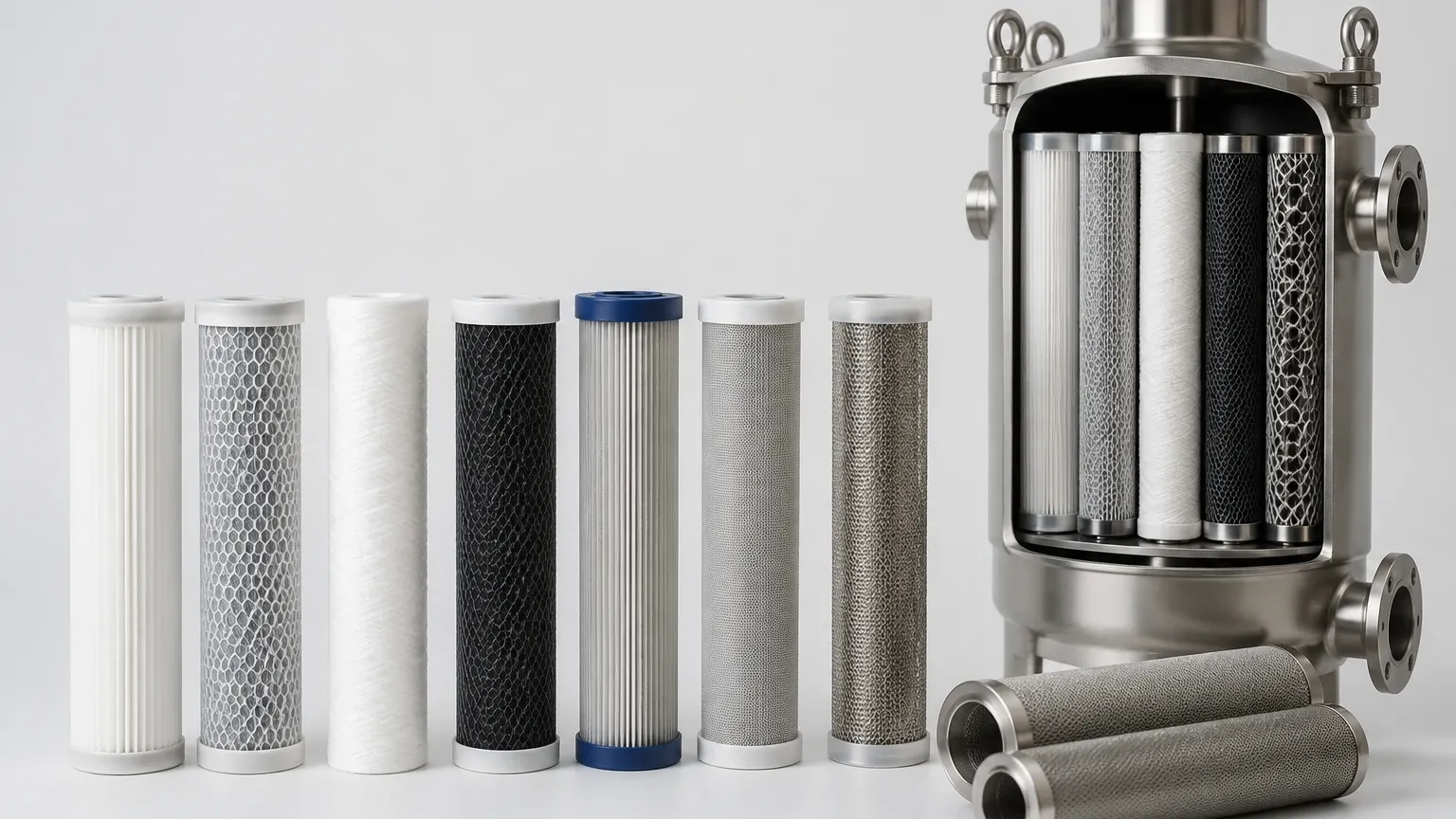
At the heart of these systems are the individual Filter Cartridges, which must be selected based on chemical compatibility, temperature resistance, and specific micron ratings. Understanding how these stages interact is critical for maintaining system efficiency and reducing the total cost of ownership (TCO) in sectors ranging from food and beverage production to pharmaceutical manufacturing.
Understanding the Architecture of a 7-Stage Filtration System
A 7-stage water system is not a single device but a series of specialized barriers. Each stage is engineered to target specific contaminants, ranging from large particulates and suspended solids to dissolved organic compounds and microbial life. In an industrial context, the sequence is typically organized to move from coarse to fine filtration, ensuring that the most expensive and sensitive filters are shielded from heavy loading.
1. Coarse Sediment Pre-filtration: The first stage usually involves a high-flow, high-capacity filter designed to remove sand, rust, and large scale. Stainless steel wire mesh filters are frequently used here due to their durability and ability to be cleaned and reused.
2. Fine Sediment Filtration: This stage captures smaller suspended solids that passed through the first barrier. Depending on the water source, this might utilize a depth filter or a pleated cartridge with a lower micron rating.
3. Granular Activated Carbon (GAC): This stage focuses on the adsorption of chlorine, volatile organic compounds (VOCs), and certain chemicals that can affect taste, odor, or downstream chemical reactions.
4. Carbon Block Filtration: A secondary carbon stage provides more surface area for adsorption and acts as a mechanical filter to catch any carbon fines released by the GAC stage.
5. Membrane Separation (RO or UF): Often considered the "heart" of the system, this stage uses semi-permeable membranes to remove dissolved salts, heavy metals, and microorganisms. In industrial 7-stage systems, protecting this membrane is the primary goal of the preceding four stages.
6. Post-Filtration Polishing: After the membrane stage, the water may pass through a final polishing filter to remove any residual gases or to adjust the pH and mineral content.
7. Sterilization or Ultra-Fine Polishing: The final stage often involves UV sterilization or an ultra-fine sub-micron filter to ensure the water meets the highest purity standards required for the specific application.
The Role of Stainless Steel Filter Cartridges in Industrial Systems
While many multi-stage systems utilize polymer-based filters, industrial environments often demand the robustness of stainless steel. In a 7 filter water system, stainless steel Filter Cartridges are indispensable when dealing with high temperatures, aggressive chemicals, or high-pressure differentials.
Durability and Reusability
Unlike disposable melt-blown or string-wound cartridges, stainless steel filters—particularly those made from 304 or 316L stainless steel—can withstand rigorous cleaning cycles. In the pre-filtration stages of a 7-stage system, using a cleanable metal mesh cartridge can significantly reduce waste and long-term operational costs. These cartridges are resistant to pressure surges that might cause a polymer filter to bypass or collapse.
Precision Filtration with Sintered Metal
For the later stages of a system where precision is paramount, sintered metal fiber or sintered wire mesh cartridges provide absolute micron ratings. This level of precision is necessary to protect sensitive downstream components like high-pressure pumps and RO membranes from microscopic particulates that could cause abrasion or fouling.
Engineering Considerations for Stage Selection
Designing or purchasing a 7-stage system requires a deep dive into the technical specifications of each component. Engineers must evaluate several factors to ensure the system performs according to specifications.
Micron Rating: Nominal vs. Absolute
It is vital to distinguish between nominal and absolute micron ratings. A nominal rating indicates the filter's ability to trap a percentage of particles of a given size, whereas an absolute rating guarantees that 99.9% or more of particles above that size will be captured. In a 7-stage sequence, the initial stages are often nominal to handle high dirt-holding capacity, while the final stages before the membrane should be absolute to provide maximum protection.
Flow Rate and Pressure Drop (Delta P)
Every filter stage introduces a degree of resistance to the flow, known as pressure drop. As filters accumulate contaminants, this pressure drop increases. In a 7-filter system, the cumulative pressure drop must be carefully calculated. If the initial stages are poorly sized, the system's output will drop prematurely, leading to frequent maintenance and potential pump strain. Industrial Filter Cartridges with pleated designs are often preferred because they offer a larger surface area, which translates to lower initial pressure drops and longer service life.
Chemical and Thermal Compatibility
The materials used in the cartridges, seals, and O-rings must be compatible with the fluid being processed. In applications involving hot water loops or chemical cleaning-in-place (CIP) processes, standard plastic housings and filters may fail. Stainless steel components are the industry standard for these demanding conditions, offering stability across a wide temperature range and resistance to corrosion from various solvents and sanitizing agents.
Customization and Material Selection for Specific Industries
No two industrial water sources are identical, which is why customization is a key factor in the success of a 7 filter water system. Custom-engineered filtration solutions allow for the adjustment of material grades and structural designs to meet specific environmental challenges.
* Food and Beverage: Requires FDA-compliant materials and hygienic designs that prevent bacterial growth. Stainless steel wire mesh is ideal here for its smooth surface and ease of sterilization.
* Chemical Processing: May require specialized alloys like 316L or Hastelloy to resist corrosive process water. The filter cartridges must maintain structural integrity even when exposed to fluctuating pH levels.
* Hydraulic and Power Systems: These systems often prioritize the removal of metallic particles and varnish. High-strength metal cartridges are used to ensure that the filtration media does not migrate into the fluid stream under high-pressure pulses.
When selecting Filter Cartridges, it is important to consult with manufacturers who can provide customized lengths, end-cap configurations (such as DOE, 222, or 226), and specialized gaskets (Viton, EPDM, or Silicone) to ensure a perfect fit within existing housings.
Maintenance and Total Cost of Ownership (TCO)
The effectiveness of a 7-stage system is entirely dependent on the maintenance of its individual stages. A failure in stage one can lead to a domino effect, where stage two becomes overloaded, eventually leading to the premature failure of the expensive stage five membrane.
Monitoring Performance
Industrial systems should be equipped with differential pressure gauges across each stage. This allows operators to identify exactly which cartridge needs attention. In a 7-stage setup, a sudden drop in pressure at the final stage often indicates a breach in an earlier stage, while a rapid increase indicates heavy contaminant loading.
Cleaning vs. Replacement
One of the primary advantages of incorporating stainless steel Filter Cartridges into a 7-stage system is the ability to clean them. Ultrasonic cleaning, backwashing, or chemical baths can restore the permeability of metal filters, extending their life over several years. This contrasts with polymer filters, which must be disposed of once they reach their terminal pressure drop. While the initial investment in metal cartridges is higher, the reduction in replacement frequency and disposal costs often results in a lower TCO over the system's lifespan.
Common Risks and Quality Assurance in Multi-Stage Filtration
Implementing a 7 filter water system is not without risks. Engineers must be vigilant about potential failure points that can compromise water quality.
1. Bypass Leakage: If a filter cartridge is not seated correctly or if the O-ring fails, unfiltered water can bypass the media. This is particularly dangerous in the final stages of a system. High-quality cartridges with precision-machined end caps are essential to prevent this.
2. Media Migration: In low-quality filters, the filtration media itself (such as carbon fines or plastic fibers) can shed into the effluent. This is why a high-quality final stage, often a sintered metal or high-grade pleated cartridge, is necessary to "trap" any potential migration from earlier stages.
3. Biofilm Development: Multi-stage systems provide many surfaces where bacteria can colonize if the system is not properly sanitized. Using stainless steel components allows for steam sterilization or high-temperature water flushes, which are the most effective ways to control bio-growth without introducing harsh chemicals.
Conclusion: Optimizing Your Filtration Strategy
A 7 filter water system provides a comprehensive approach to water purification, but its success relies on the technical integrity of each individual component. By moving beyond generic solutions and focusing on the engineering requirements of each stage, facilities can achieve consistent water quality and operational reliability.
Whether you are designing a new system or optimizing an existing one, the selection of Filter Cartridges is the most critical decision in the process. Utilizing high-performance materials like stainless steel mesh and sintered metal can provide the durability and precision needed to handle the rigors of industrial applications, ensuring that each of the seven stages performs its intended function without compromise. For technical professionals, the goal is not just to have seven filters, but to have seven perfectly integrated barriers that work together to deliver the exact water quality required for the application.
