


Bauer Filter Cartridge 80114
In high-pressure compressed air and gas systems, the integrity of the filtration process is paramount. The Bauer filter cartridge 80114 is a specialized component designed for the purification of breathing air and industrial gases. As a critical element in high-pressure compressor systems, this cartridge ensures that the output air meets stringent safety and quality standards, such as DIN EN 12021 and CGA Grade D/E. For engineers and procurement professionals, understanding the technical nuances of the 80114 cartridge—and the broader engineering principles of industrial Filter Cartridges—is essential for maintaining system safety and operational efficiency.
Technical Functionality of the 80114 Cartridge
The Bauer filter cartridge 80114 is typically employed in P21 or Triplex filtration systems. Its primary function is the multi-stage removal of contaminants from compressed air. This is achieved through a combination of physical and chemical filtration processes contained within a single housing.
1. Moisture Removal (Desiccation)
High-pressure air naturally carries water vapor. If not removed, this moisture can lead to corrosion within storage cylinders and freezing in regulator valves. The 80114 cartridge utilizes a molecular sieve (often 13X or 4A type) to adsorb water molecules. This desiccant layer ensures a low pressure dew point, preventing liquid water from condensing in the downstream system.
2. Oil and Odor Adsorption
Residual oil vapors from compressor lubrication and ambient hydrocarbons can contaminate the air stream. The cartridge incorporates a bed of activated carbon, which features a massive internal surface area. Through the process of adsorption, oil molecules and unpleasant odors are trapped within the carbon's pore structure, ensuring the air is chemically pure and palatable for breathing applications.
3. Carbon Monoxide Conversion
In specific configurations, the 80114 or its variants may include a catalyst layer, such as Hopcalite. This material facilitates the oxidation of carbon monoxide (CO) into carbon dioxide (CO2) at room temperature. Given the toxicity of CO, this stage is critical for life-support systems where the air source might be compromised by engine exhaust or other combustion byproducts.
Engineering Considerations for High-Pressure Filtration
When selecting or designing filtration solutions for high-pressure environments (often exceeding 3,000 to 6,000 PSI), several engineering factors must be evaluated to ensure the cartridge performs reliably under stress.
Pressure Vessel Integrity and Seals
The cartridge itself must be designed to withstand the rapid pressurization and depressurization cycles of the compressor system. The end caps and the outer shell must maintain structural integrity to prevent bypass. Furthermore, the selection of O-ring materials is vital. While Nitrile (NBR) is common, applications involving high temperatures or specific gas mixtures may require Viton (FKM) to ensure a gas-tight seal and prevent the bypass of unfiltered air.
Flow Dynamics and Pressure Drop
Every filter medium introduces a degree of resistance, known as pressure drop (Delta P). An engineered filter cartridge must balance filtration efficiency with flow capacity. If the internal media is packed too tightly, the pressure drop increases, forcing the compressor to work harder and increasing energy consumption. Conversely, loose packing can lead to "channeling," where air finds the path of least resistance, bypassing the filtration media entirely. Precision manufacturing ensures uniform media density to optimize both air quality and system efficiency.
Material Compatibility
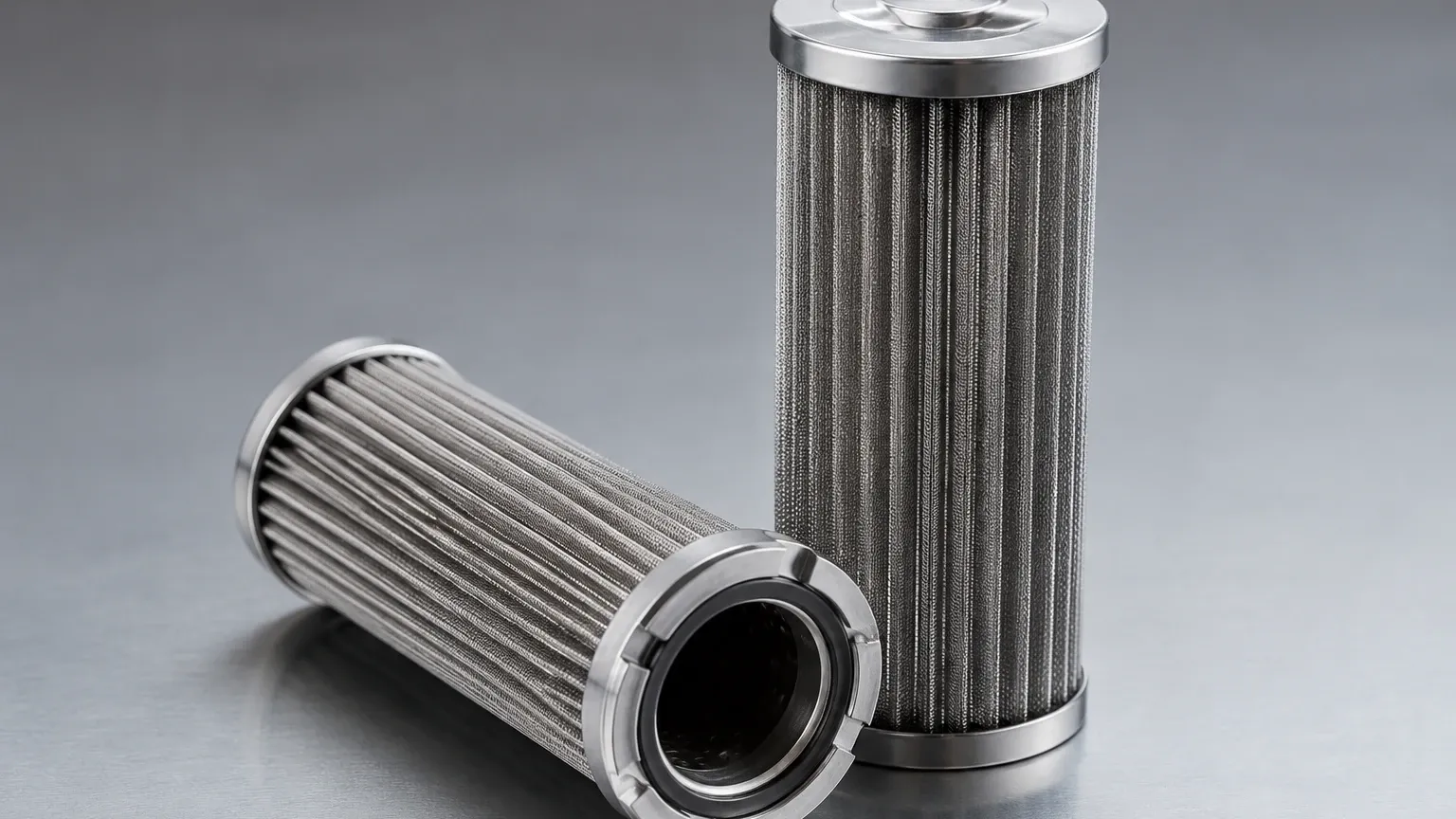
In industrial settings, the compatibility of the filter housing and internal components with the gas being processed is a primary concern. While standard cartridges use plastic or aluminum shells, demanding chemical or offshore environments often necessitate stainless steel components. Stainless steel offers superior resistance to corrosion and mechanical wear, making it the preferred choice for custom industrial Filter Cartridges used in aggressive atmospheres.
Evaluating Replacement Cycles and Performance
The lifespan of a Bauer filter cartridge 80114 is not fixed; it is highly dependent on environmental variables and the condition of the compressor. Engineers must monitor several factors to determine the optimal replacement interval.
* Ambient Humidity: High humidity levels saturate the molecular sieve more quickly, reducing the cartridge's capacity to remove moisture.
* Operating Temperature: As the temperature of the air entering the filter increases, the adsorption efficiency of activated carbon decreases. For every 10°C (18°F) rise in temperature, the effective life of the cartridge can be reduced by approximately 50%.
* Air Throughput: The volume of air processed is the most direct indicator of media exhaustion. Most systems use a timer or a gallon-count to track usage, but these should be adjusted based on the actual operating conditions.
Failure to replace the cartridge on time can lead to "breakthrough," where contaminants pass into the storage tanks. This not only poses a safety risk but can also lead to costly maintenance for downstream equipment, such as valves and pneumatic tools.
Customization and OEM Solutions in Industrial Filtration
While the Bauer filter cartridge 80114 is a standard part for many compressors, industrial applications often require bespoke filtration solutions that standard off-the-shelf components cannot satisfy. This is where custom manufacturing and OEM expertise become invaluable.
Tailored Filtration Media
Different industrial processes require different levels of purity. For instance, a hydraulic system might prioritize particulate removal over gas adsorption, requiring a stainless steel wire mesh or sintered metal filter element. Custom manufacturers can adjust the micron rating and media composition to target specific contaminants, whether they are solid particles, liquid aerosols, or gaseous impurities.
Structural Customization
In many OEM projects, the physical dimensions of the filter must fit within restricted spatial envelopes or integrate with proprietary housing designs. Custom engineering allows for the production of filter cartridges with specific diameters, lengths, and connection types (such as threaded, flange, or bayonet mounts). Utilizing stainless steel for these custom components ensures durability in high-vibration or high-temperature environments common in chemical processing and power generation.
Common Risks and Quality Assurance
Procuring replacement cartridges involves navigating several risks that can impact the safety and longevity of the compressor system.
1. Media Migration
Lower-quality cartridges may suffer from media migration, where small particles of activated carbon or desiccant escape the cartridge and enter the air stream. This can clog fine orifices in regulators and contaminate the final product. High-quality cartridges utilize precision-engineered fleece or stainless steel mesh pre-filters and post-filters to contain the media securely.
2. Bypass Leakage
If the cartridge dimensions are not precise, air can leak around the seals. Even a small amount of bypass can significantly degrade the quality of the output air. Rigorous quality control and the use of high-grade sealing materials are essential to prevent this issue.
3. Chemical Outgassing
In some cases, the adhesives or plastics used in the construction of a filter cartridge can outgas volatile organic compounds (VOCs) into the air stream. For breathing air applications, it is critical that all materials used in the cartridge are food-grade or medical-grade and do not contribute to air contamination.
Total Cost of Ownership (TCO) Considerations
When evaluating Filter Cartridges, purchasing teams should look beyond the initial unit price. The Total Cost of Ownership (TCO) includes the cost of the cartridge, the frequency of replacement, the energy cost associated with pressure drop, and the potential cost of system failure.
Investing in high-performance cartridges that offer higher media capacity can lead to longer service intervals and reduced labor costs. Furthermore, cartridges that maintain a low pressure drop throughout their service life contribute to energy savings. For critical industrial processes, the reliability of a high-quality filter is an insurance policy against catastrophic equipment failure and production downtime.
Conclusion
The Bauer filter cartridge 80114 is a vital component for ensuring the delivery of clean, dry, and safe air in high-pressure systems. By understanding the underlying filtration principles—from molecular adsorption to mechanical sealing—engineers can better manage their filtration systems and make informed procurement decisions. Whether utilizing standard cartridges or seeking customized stainless steel filtration solutions for unique industrial challenges, the focus must always remain on technical precision, material integrity, and proven performance. For those managing complex industrial applications, partnering with a manufacturer capable of providing OEM and customized filtration components is a strategic step toward optimizing system reliability and air quality.
