


Brita Filter Cartridges
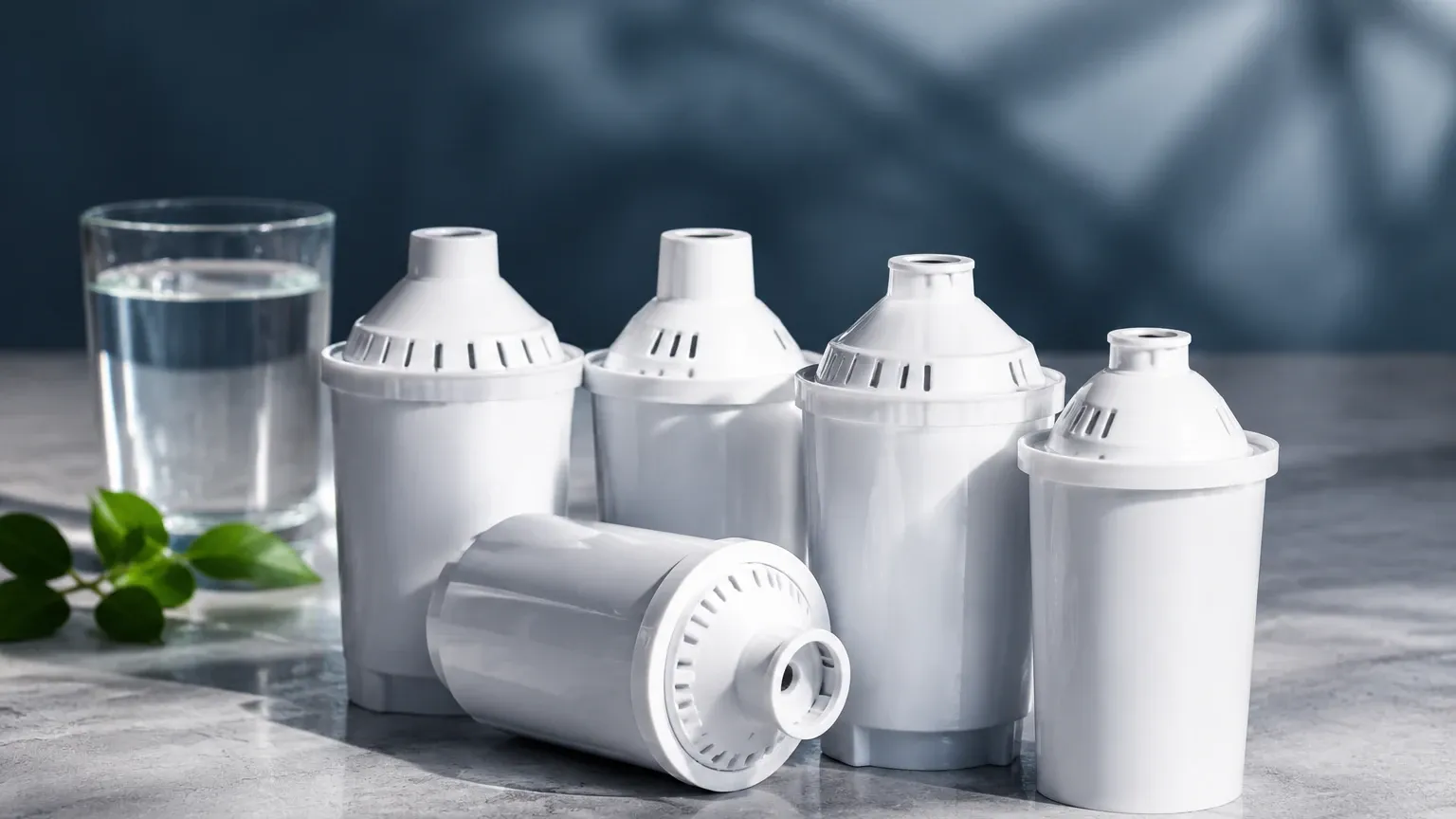
In the landscape of water treatment, Brita filter cartridges have established themselves as a benchmark for point-of-use (POU) filtration. Primarily designed for residential and light commercial applications, these cartridges utilize a combination of activated carbon and ion-exchange resin to improve the sensory qualities of water. However, for engineers and procurement professionals in industrial sectors—such as chemical processing, pharmaceuticals, and large-scale food production—understanding the technical boundaries of consumer-grade solutions like brita filter cartridges is essential when determining if a transition to industrial-grade Filter Cartridges is required.
This article examines the technical specifications, material science, and performance limitations of Brita-style filtration, providing a comparative analysis against industrial metal filtration components to assist in informed decision-making for complex fluid handling systems.
The Technology Behind Brita Filter Cartridges
Brita filter cartridges generally employ a multi-stage filtration process housed within a plastic casing. The core functional components are granular activated carbon (GAC) and ion-exchange beads.
1. Activated Carbon: Sourced typically from coconut shells, the activated carbon works through adsorption. It is highly effective at removing chlorine, which significantly impacts taste and odor. It also captures certain organic impurities and pesticides that may be present in municipal water supplies.
2. Ion-Exchange Resin: This component is designed to reduce carbonate hardness (limescale) and trap heavy metals such as copper and lead. The resin exchanges ions in the water with hydrogen ions, effectively softening the water and preventing scale buildup in small appliances.
3. Mechanical Mesh: Most cartridges include a fine mesh topper and bottom layer to prevent carbon fines from entering the filtrate and to provide a basic level of sediment reduction.
While this combination is highly effective for improving the quality of potable municipal water, it is important to note that these cartridges are not intended for microbiological purification. They are designed for treated water where the primary goal is the removal of aesthetic contaminants and specific dissolved solids.
Performance Limitations in Industrial Environments
When evaluating brita filter cartridges for industrial or laboratory pre-treatment, several engineering constraints must be considered. Industrial processes often demand parameters that exceed the design specifications of consumer-grade plastic cartridges.
Pressure and Flow Rate Constraints
Brita cartridges are gravity-fed or designed for low-pressure faucet/pitcher systems. In industrial applications, filtration systems often operate under high differential pressures (ΔP). Standard plastic cartridges cannot withstand the hydraulic shock or the high flow velocities required in manufacturing lines. If subjected to industrial pump pressures, the internal media can channel—where the fluid creates a path of least resistance—rendering the filtration ineffective, or the housing itself may fail structurally.
Temperature Stability
The materials used in brita filter cartridges, specifically the polypropylene housing and the ion-exchange resins, have strict temperature limits. Most are rated for cold water use only (typically up to 30°C or 86°F). In contrast, industrial Filter Cartridges manufactured from 304 or 316L stainless steel can operate in environments exceeding 250°C, making them suitable for steam filtration and high-temperature chemical processing.
Comparing Consumer-Grade and Industrial Filter Cartridges
For technical professionals, the choice between a consumer-grade solution and a precision-engineered industrial filter depends on the specific requirements of the application. The following table highlights the primary differences in construction and capability.
| Feature | Brita Filter Cartridges | Industrial Stainless Steel Cartridges |
| :— | :— | :— |
| Housing Material | Food-grade Plastic (PP/AS) | 304/316L Stainless Steel |
| Filtration Media | Carbon / Ion-Exchange Resin | Sintered Mesh / Pleated Metal / Wedge Wire |
| Micron Rating | Nominal (Variable) | Absolute (0.5 to 200+ Microns) |
| Reusability | Disposable | Cleanable and Reusable |
| Chemical Resistance | Limited to Water | High (Acids, Bases, Solvents) |
| Structural Strength | Low | High (Resistant to Collapse/Burst) |
Industrial Filter Cartridges offer a level of precision and durability that disposable resin-based filters cannot match. In sectors like hydraulic oil filtration or pharmaceutical ingredient processing, the risk of media migration (the filter material itself entering the fluid stream) is a critical concern. Metal filters are designed to be structurally integral, ensuring that no fibers or particles from the filter media contaminate the downstream process.
Engineering Considerations: Total Cost of Ownership (TCO)
While brita filter cartridges have a lower initial unit cost, the Total Cost of Ownership (TCO) in a commercial or industrial setting can be significantly higher due to replacement frequency.
1. Replacement Cycles: A standard Brita cartridge is typically rated for approximately 100 to 150 liters (or 4 weeks of use). In a high-volume industrial setting, this could necessitate daily or even hourly changes, leading to massive downtime and labor costs.
2. Waste Management: The disposable nature of plastic cartridges contributes to a significant waste stream. Industrial metal filters, while requiring a higher initial investment, are designed for longevity. They can be cleaned via backwashing, ultrasonic cleaning, or chemical baths, allowing them to remain in service for years.
3. Process Consistency: Ion-exchange resins exhaust over time, leading to a gradual decline in filtration efficiency. In precision engineering, this variability is often unacceptable. Stainless steel mesh filters provide a consistent mechanical barrier that does not change its performance characteristics until it reaches its terminal pressure drop.
Chemical Compatibility and Material Selection
One of the primary reasons engineers move away from brita filter cartridges toward specialized Filter Cartridges is chemical compatibility. The resins and plastics in consumer filters are optimized for pH-neutral water.
In industrial filtration, the fluid may be highly acidic, alkaline, or contain organic solvents that would dissolve or degrade plastic housings. Stainless steel (specifically 316L) provides excellent resistance to corrosion and is the standard for the food and beverage industry because it can withstand the harsh Clean-in-Place (CIP) chemicals used to sterilize production lines.
Furthermore, for applications involving high-viscosity fluids like polymers or heavy oils, the mechanical strength of a metal filter is required to maintain the pleat geometry under high differential pressure, ensuring that the effective filtration area is not compromised during the run.
When to Upgrade to Custom Metal Filtration
There are specific triggers that indicate a facility should move from basic water filters to custom-engineered metal solutions:
* Requirement for Absolute Micron Ratings: If your process requires a guaranteed removal of particles at a specific size (e.g., 5-micron absolute), consumer-grade nominal filters are insufficient.
* High Pressure/High Flow Requirements: When the system flow rate exceeds the capacity of standard POU filters without causing significant pressure drop.
* Sterilization Needs: If the filter must be autoclaved or steam-sterilized in place.
* Environmental Sustainability Goals: To reduce the plastic waste associated with frequently replaced disposable cartridges.
* Custom Form Factors: When the filtration component must fit into a specific proprietary housing or machinery where standard brita filter cartridges are not compatible.
Selecting the Right Industrial Filter Cartridge
When transitioning to industrial-grade Filter Cartridges, it is vital to work with a manufacturer that understands the nuances of material selection and filtration physics. The selection process should involve a thorough review of:
* Fluid Properties: Viscosity, temperature, and chemical composition.
* Contaminant Profile: The size, shape, and concentration of the particles being removed.
* Operational Parameters: Maximum operating pressure, desired flow rate, and allowable pressure drop.
* Cleaning Protocols: Whether the filter will be cleaned manually or via automated backpulse systems.
By focusing on these technical parameters, engineers can design a filtration system that provides reliable, repeatable results while minimizing long-term operational costs. While brita filter cartridges serve their purpose in the kitchen and the breakroom, the rigorous demands of the factory floor require the durability and precision of metal filtration technology.
In conclusion, understanding the distinction between consumer-grade water treatment and industrial filtration is key to optimizing process efficiency. Whether you are managing a municipal water project or a high-pressure chemical line, selecting the appropriate Filter Cartridges ensures the integrity of your final product and the longevity of your equipment.
