


Cartridge Filter Zx150
In industrial hydraulic systems and heavy-duty fluid processing, the reliability of filtration components directly dictates the lifespan of downstream equipment. The cartridge filter zx150 specification represents a critical class of filtration media designed to handle rigorous pressure demands while maintaining high-efficiency particulate capture. For engineers and procurement teams, selecting the correct filter cartridges involves more than matching a part number; it requires a deep understanding of material science, fluid dynamics, and the specific environmental stressors present in the application.
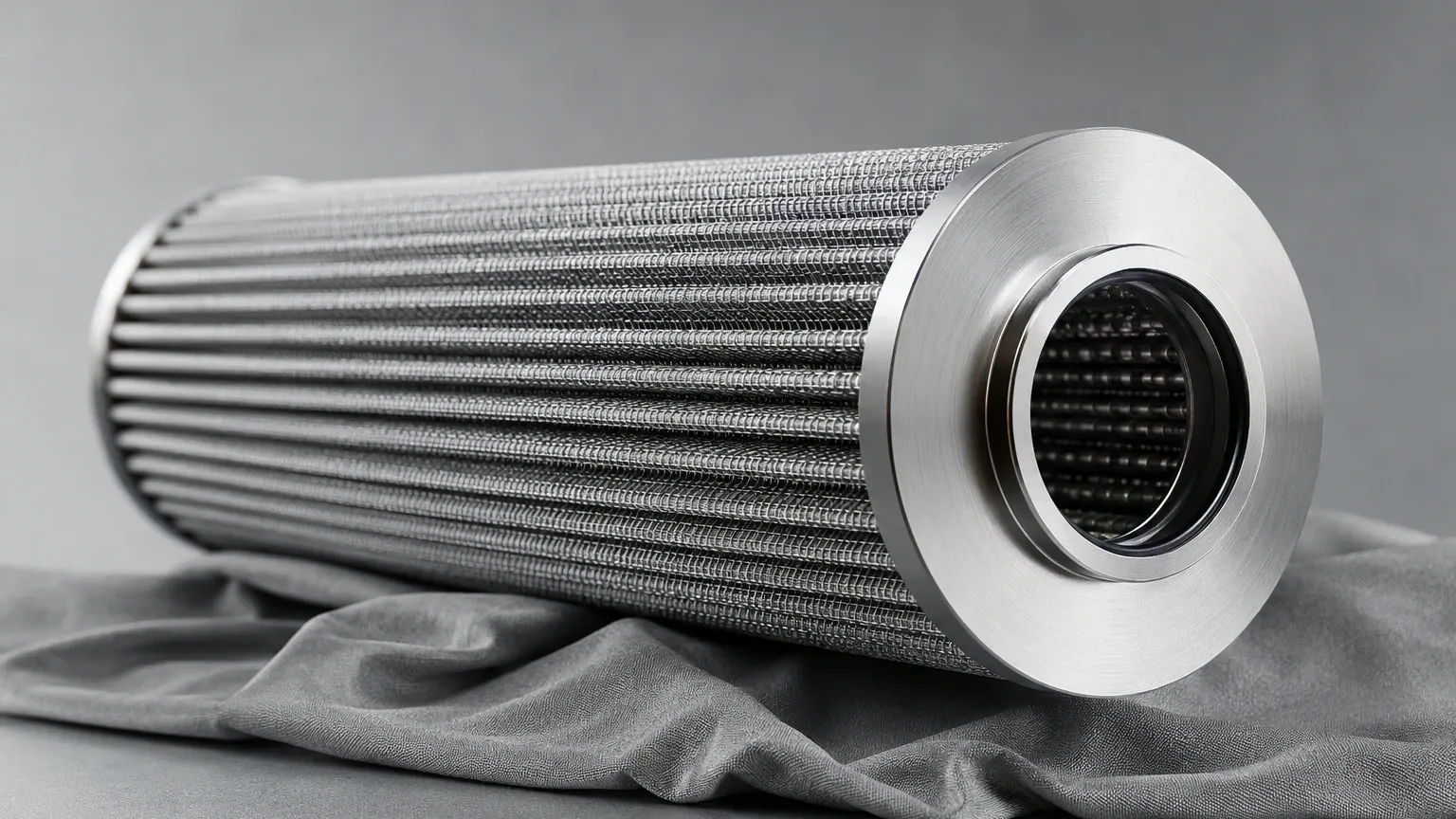
Industrial filtration is a balancing act between flow rate, pressure drop, and contaminant retention. When dealing with systems that utilize a cartridge filter zx150, the focus is often on protecting sensitive hydraulic components, such as pumps and valves, from the abrasive effects of metal shavings, silica, and environmental dust. High-performance Filter Cartridges manufactured from stainless steel or specialized wire mesh provide a level of durability that standard disposable filters cannot match, particularly in high-temperature or chemically aggressive environments.
Technical Specifications and Engineering Requirements
The "ZX150" designation typically aligns with medium-to-heavy-duty industrial equipment, often found in hydraulic circuits where fluid cleanliness is paramount. Engineering these filters requires precise control over the pore size and the structural integrity of the filter media.
Micron Ratings and Filtration Efficiency
For a cartridge filter zx150, the micron rating is the most critical technical metric. In hydraulic applications, this typically ranges from 5 to 25 microns (absolute). An absolute rating ensures that 99.9% of particles larger than the specified size are captured. This is achieved through multi-layered stainless steel wire mesh or sintered metal fibers. Unlike nominal filters, which may allow larger particles to pass through under pressure surges, absolute-rated cartridges provide a consistent barrier against contaminants that cause component wear.
Pressure Drop (ΔP) Considerations
Every filter introduces a degree of resistance to fluid flow, known as pressure drop. An engineered cartridge filter zx150 must minimize this resistance to prevent cavitation in pumps and energy loss in the system. Factors influencing ΔP include:
* Media Porosity: The ratio of open area to the total surface area of the mesh.
* Fluid Viscosity: Higher viscosity fluids (like cold hydraulic oil) require larger surface areas to maintain flow.
* Surface Area: Pleating the filter media significantly increases the effective filtration area, allowing for higher flow rates within the same physical footprint.
Material Selection for Industrial Durability
The choice of material for a cartridge filter zx150 is dictated by the chemical compatibility of the fluid and the operating temperature. While polymer-based filters are common in light-duty water treatment, industrial and hydraulic applications usually necessitate metal construction.
Stainless Steel 304 and 316L
Stainless steel is the industry standard for high-performance filter cartridges. Grade 304 offers excellent strength and basic corrosion resistance, making it suitable for most hydraulic oils and non-corrosive industrial fluids. However, in pharmaceutical, food and beverage, or chemical processing environments, Grade 316L is preferred. The addition of molybdenum in 316L provides superior resistance to pitting and chloride-induced corrosion, ensuring the filter does not become a source of contamination itself.
Sintered Wire Mesh vs. Pleated Mesh
For applications requiring the cartridge filter zx150 to withstand high differential pressures, sintered wire mesh is often employed. Sintering involves bonding multiple layers of wire mesh through a heat-treatment process without the use of binders. This creates a rigid, stable structure that will not deform or experience "media migration" (where parts of the filter material break off and enter the fluid stream). Pleated mesh, on the other hand, is ideal for maximizing surface area in systems where high dirt-holding capacity is the primary goal.
Application Environments for ZX150 Filters
The cartridge filter zx150 is frequently utilized in sectors where equipment downtime results in significant financial loss. Understanding these environments helps in specifying the correct filter configuration.
Hydraulic Power Units (HPUs)
In HPUs, the filter cartridge protects the heart of the system. Contamination in hydraulic oil is responsible for up to 80% of system failures. The ZX150 specification ensures that even microscopic particles are removed before they can reach the high-precision tolerances of piston pumps and servo valves.
Chemical and Petrochemical Processing
In these industries, filters must withstand not only pressure but also aggressive solvents and high temperatures. Stainless steel filter cartridges are uniquely suited here because they maintain their structural integrity at temperatures exceeding 250°C, where synthetic fibers would melt or degrade. Furthermore, the ability to clean and reuse metal cartridges provides a significant advantage in hazardous waste reduction.
Water Treatment and Desalination
While often used as pre-filters, the cartridge filter zx150 can also serve as a final polishing stage in high-pressure water systems. The corrosion resistance of 316L stainless steel is essential in desalination plants to combat the corrosive nature of seawater and brine.
Performance Evaluation and Beta Ratios
To accurately assess the performance of a cartridge filter zx150, engineers look at the Beta Ratio (β). This is a measure of the filter's efficiency at a specific micron size, calculated by comparing the number of particles upstream of the filter to the number downstream.
For example, a Beta ratio of 1000 (βx = 1000) means that for every 1000 particles of a certain size entering the filter, only one passes through. This represents 99.9% efficiency. When sourcing Filter Cartridges, it is vital to confirm that the Beta ratio has been tested according to ISO 16889 standards. This ensures that the filter will perform as expected under actual operating conditions, rather than just in a laboratory setting.
Structural integrity is another performance metric. The "collapse pressure" of a cartridge filter zx150 defines the maximum differential pressure the unit can withstand before the internal core or the media itself fails. In high-pressure hydraulic return lines, filters must be rated for collapse pressures that exceed the system’s bypass valve setting to prevent catastrophic failure in the event of a cold start or a sudden surge of contaminants.
Customization and OEM Considerations
Standard off-the-shelf filters do not always meet the unique requirements of specialized industrial machinery. Customization is a core component of high-end filtration manufacturing. When a standard cartridge filter zx150 does not suffice, several parameters can be adjusted:
1. End Cap Configurations: Depending on the housing, cartridges may require DOE (Double Open End), SOE (Single Open End) with 222 or 226 O-ring fittings, or threaded connections. Ensuring a perfect seal is mandatory to prevent fluid bypass.
2. Reinforced Cores: For high-viscosity fluids or high-pressure differentials, a perforated inner core or an outer shroud can be added to provide additional mechanical support to the filter media.
3. Gasket and O-ring Materials: The sealing material must be compatible with the process fluid. Common options include Buna-N for general oil use, Viton (FKM) for high temperatures and chemicals, and EPDM for phosphate ester fluids.
By working with a manufacturer capable of OEM designs, engineering teams can ensure that the cartridge filter zx150 fits perfectly within their existing infrastructure while meeting specific performance targets that generic replacements might miss.
Maintenance, Cleaning, and Total Cost of Ownership
One of the primary advantages of stainless steel filter cartridges over disposable alternatives is the ability to clean and reuse the media. This significantly impacts the Total Cost of Ownership (TCO).
Cleaning Protocols
Unlike paper or glass fiber filters, a stainless steel cartridge filter zx150 can often be restored to near-original performance through professional cleaning methods:
* Ultrasonic Cleaning: Uses high-frequency sound waves in a cleaning solution to dislodge particles trapped deep within the mesh layers.
* Backwashing: Reversing the flow of clean fluid through the filter to push contaminants out of the media.
* Chemical Cleaning: Using specific solvents or acids to dissolve organic or mineral buildup, followed by thorough rinsing.
Replacement Cycles
While cleanable, no filter lasts forever. The replacement cycle for a cartridge filter zx150 should be determined by monitoring the differential pressure. Once the "clean" pressure drop after a cleaning cycle starts to rise significantly, it indicates that the media is becoming permanently fouled or the pore structure is beginning to deform. Establishing a routine maintenance schedule based on ΔP readings prevents unplanned downtime and protects the entire system.
Economic Impact
Although the initial purchase price of a high-quality stainless steel cartridge is higher than a disposable one, the long-term savings are substantial. Reduced disposal costs (especially for filters contaminated with hazardous oils), lower inventory requirements, and the prevention of expensive machinery repairs make the stainless steel cartridge filter zx150 a more cost-effective choice for industrial operations.
Selection Guidance for Engineers
Before finalizing a purchase or specifying a filter for a new project, engineers should confirm several key details with their supplier:
* What is the maximum operating temperature and pressure? Ensure the materials and construction method (welded vs. bonded) can handle these extremes.
* What is the specific fluid being filtered? Check chemical compatibility charts for both the filter media and the seals.
* What is the target ISO Cleanliness Code? Different applications require different levels of fluid purity (e.g., ISO 18/16/13 for sensitive hydraulics).
* Is a custom housing interface required? Verify end-cap dimensions and sealing mechanisms to prevent bypass.
By addressing these technical factors, procurement and engineering teams can secure filtration solutions that deliver consistent performance and long-term reliability. Whether for a standard hydraulic system or a specialized chemical process, the cartridge filter zx150 remains a cornerstone of efficient industrial fluid management.
