


Cartridge Filter Zx250
In industrial hydraulic systems and heavy machinery applications, the reliability of filtration components directly dictates the operational lifespan and efficiency of the entire equipment suite. The cartridge filter zx250 is a critical component often associated with high-demand hydraulic environments, where maintaining fluid cleanliness is paramount to preventing component wear and catastrophic system failure. For engineers and procurement specialists, selecting the right filtration media—whether for a direct replacement or a specialized industrial upgrade—requires a deep understanding of material science, pressure dynamics, and filtration efficiency.
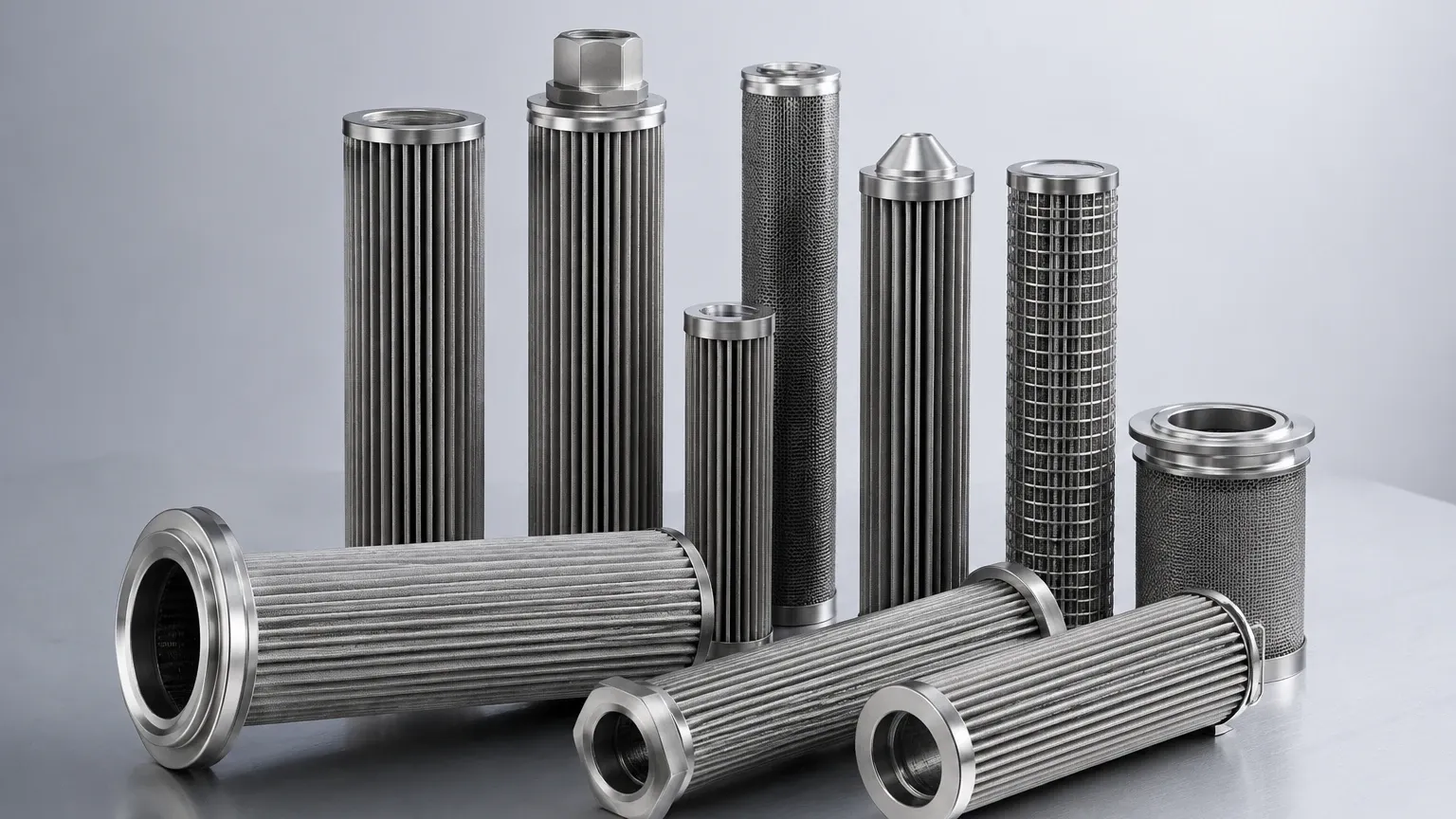
While many standard filters in this category utilize disposable cellulose or synthetic media, high-performance industrial applications increasingly demand the durability and precision of stainless steel Filter Cartridges. This article explores the technical specifications, engineering considerations, and material advantages of advanced cartridge filters, providing a roadmap for optimizing filtration performance in demanding environments.
Technical Specifications and Engineering Requirements
The cartridge filter zx250 typically operates within hydraulic circuits that require high-precision removal of particulate matter. In these systems, the filter must manage high flow rates while maintaining a low pressure drop (ΔP). A significant increase in pressure drop across the filter element can lead to bypass valve opening, allowing unfiltered fluid to circulate, or in extreme cases, the collapse of the filter element itself.
Micron Ratings and Efficiency
Filtration accuracy is generally measured in microns (µm). For hydraulic systems like those using the ZX250 specification, filtration levels often range from 5µm to 25µm absolute. It is essential to distinguish between nominal and absolute ratings. An absolute rating implies that the filter will capture 99.9% of particles at the specified size, whereas a nominal rating is an average figure that may allow larger particles to pass through. For critical components like hydraulic pumps and valves, absolute-rated stainless steel mesh is often the preferred choice due to its consistent pore size and structural integrity.
Flow Rate and Pressure Dynamics
The design of the cartridge filter zx250 must account for the viscosity of the fluid, which varies with temperature. In cold-start conditions, hydraulic fluid is more viscous, increasing the load on the filter media. Stainless steel cartridges are engineered to withstand these pressure spikes without deforming. The pleating density—the number of folds in the mesh—is calculated to maximize the surface area, thereby reducing the face velocity of the fluid and extending the service interval.
Material Selection: The Case for Stainless Steel
When evaluating options for a cartridge filter zx250, the choice of material is the most significant factor affecting total cost of ownership (TCO). While traditional fiberglass or paper elements are cheaper upfront, they are single-use and prone to degradation in harsh chemical or high-temperature environments.
Corrosion Resistance and Durability
Kaifil specializes in utilizing 304 and 316L stainless steel for industrial filtration. 316L stainless steel, in particular, offers superior resistance to corrosion and pitting, making it ideal for applications involving aggressive fluids or exposure to marine environments. Unlike synthetic fibers, stainless steel does not shed media into the downstream flow, ensuring that the filter itself does not become a source of contamination.
Thermal Stability
Industrial processes often involve fluctuating temperatures. Synthetic filters may soften or lose structural integrity at temperatures exceeding 100°C. In contrast, stainless steel filter cartridges maintain their mechanical properties at much higher temperatures, providing a reliable barrier even in extreme thermal conditions. This makes them suitable not only for hydraulic oil but also for steam filtration and high-temperature chemical processing.
Structural Integrity and Filter Construction
The performance of a cartridge filter zx250 is not solely dependent on the mesh; the internal support structure is equally vital. High-pressure applications require a robust inner core, usually made of perforated stainless steel or expanded metal, to prevent the media from collapsing under the weight of the fluid flow.
Pleated vs. Cylindrical Designs
* Pleated Cartridges: By pleating the stainless steel wire mesh, manufacturers can increase the filtration surface area by up to 300% compared to a standard cylindrical design. This results in a higher dirt-holding capacity and longer periods between maintenance cycles.
* Cylindrical Mesh: For high-viscosity fluids or applications where cleaning is frequent and ease of access is prioritized, a simple cylindrical mesh may be used. However, for the ZX250 specification, pleated designs are generally preferred to handle the required flow volumes.
End Cap Configurations
The sealing mechanism of the filter is a common point of failure. Whether using DOE (Double Open End), SOE (Single Open End) with an O-ring, or threaded connections, the end caps must be securely bonded to the filter media. In high-quality stainless steel filters, this is often achieved through plasma welding or specialized epoxy bonding that matches the chemical compatibility of the fluid being filtered.
Application Environments for Advanced Filtration
Beyond standard hydraulic machinery, the principles behind the cartridge filter zx250 are applied across various heavy industries. Understanding these applications helps engineers specify the correct filtration parameters.
Chemical and Petrochemical Processing
In these sectors, filters must withstand high pressures and corrosive reagents. Stainless steel cartridges are used to protect sensitive instrumentation and ensure the purity of the final product. The ability to customize the mesh weave—such as using a Dutch weave for finer filtration—allows for precise control over the process.
Food and Beverage Industry
Filtration in the food industry requires materials that are FDA-compliant and easy to sanitize. Stainless steel is naturally hygienic and can withstand the harsh chemicals used in Clean-in-Place (CIP) cycles. For these applications, the cartridge filter zx250 design is adapted to ensure there are no "dead zones" where bacteria can accumulate.
Water Treatment and Desalination
Pre-filtration for reverse osmosis (RO) systems often employs large-scale cartridge filters. Protecting expensive RO membranes from particulate damage is a primary concern. Using durable metal filters reduces the frequency of membrane replacement and ensures consistent water quality.
Maintenance, Cleaning, and Lifecycle Management
One of the primary advantages of transitioning from disposable elements to stainless steel Filter Cartridges is the ability to clean and reuse the media. This significantly reduces the environmental impact and long-term procurement costs.
Cleaning Methodologies
1. Ultrasonic Cleaning: This is the most effective method for removing fine particulates lodged deep within the mesh. High-frequency sound waves create cavitation bubbles that dislodge contaminants without damaging the wire structure.
2. Backwashing: In some systems, the flow can be reversed to flush out accumulated debris. This is particularly effective for larger micron ratings.
3. Chemical Cleaning: For filters used in chemical or food processing, soaking the cartridge in a compatible solvent or caustic solution can dissolve organic buildup or scale.
Monitoring Performance
To maximize the life of a cartridge filter zx250, engineers should implement differential pressure monitoring. By installing gauges upstream and downstream of the filter, operators can identify the exact moment the filter reaches its dirt-holding capacity. Cleaning the filter at the optimal time prevents the risk of media deformation and ensures the system always operates within its designed efficiency parameters.
Customization and OEM Solutions
In many industrial scenarios, a standard off-the-shelf cartridge filter zx250 may not meet the specific requirements of a unique piece of equipment or a specialized process. This is where custom manufacturing becomes essential. Customization options include:
* Variable Micron Ratings: Engineering a multi-layered mesh that provides graduated filtration, capturing larger particles on the outer layers and finer particles toward the core.
* Specialized Dimensions: Modifying the length, outer diameter, and inner diameter to fit non-standard filter housings.
* Reinforced Construction: Adding external support cages or internal springs for applications with extreme pressure pulsations.
As a manufacturer specializing in these solutions, Kaifil works closely with engineering teams to develop filtration components that are tailored to the specific rigors of their application. By focusing on precision engineering and high-grade materials, it is possible to achieve a level of reliability that standard replacement parts cannot match.
Conclusion: Making Informed Procurement Decisions
Selecting a cartridge filter zx250 involves more than simply matching a part number. It requires a comprehensive evaluation of the operating environment, the required fluid cleanliness levels, and the long-term maintenance strategy. For organizations looking to optimize their industrial processes, moving toward high-quality stainless steel filtration provides a pathway to increased uptime and reduced waste.
When evaluating suppliers, engineers should look for manufacturers who demonstrate a deep understanding of filtration physics and offer robust technical support. By prioritizing material quality and structural integrity, you ensure that your filtration system remains a protector of your equipment rather than a potential point of failure. Whether you are managing a fleet of heavy machinery or a complex chemical plant, the right filter cartridge is the first line of defense in maintaining operational excellence.
