


Filter Cartridge Jandy
In the realm of commercial water treatment and high-capacity filtration systems, the performance of a filtration unit is fundamentally tied to the quality and specification of its internal media. For facilities utilizing Jandy-style filtration housings, selecting the appropriate replacement components is a critical engineering decision. While the market offers a variety of options for a filter cartridge jandy, professionals in the industrial and commercial sectors must look beyond basic compatibility to evaluate material integrity, flow dynamics, and the structural engineering of the cartridge itself.
At Kaifil, we recognize that industrial filtration requirements often exceed the capabilities of standard consumer-grade products. Whether you are managing a large-scale aquatic facility, a commercial cooling tower, or a specialized water treatment plant, understanding the technical nuances of Filter Cartridges is essential for maintaining system efficiency and protecting downstream equipment.
Understanding the Specifications of Jandy-Style Filter Cartridges
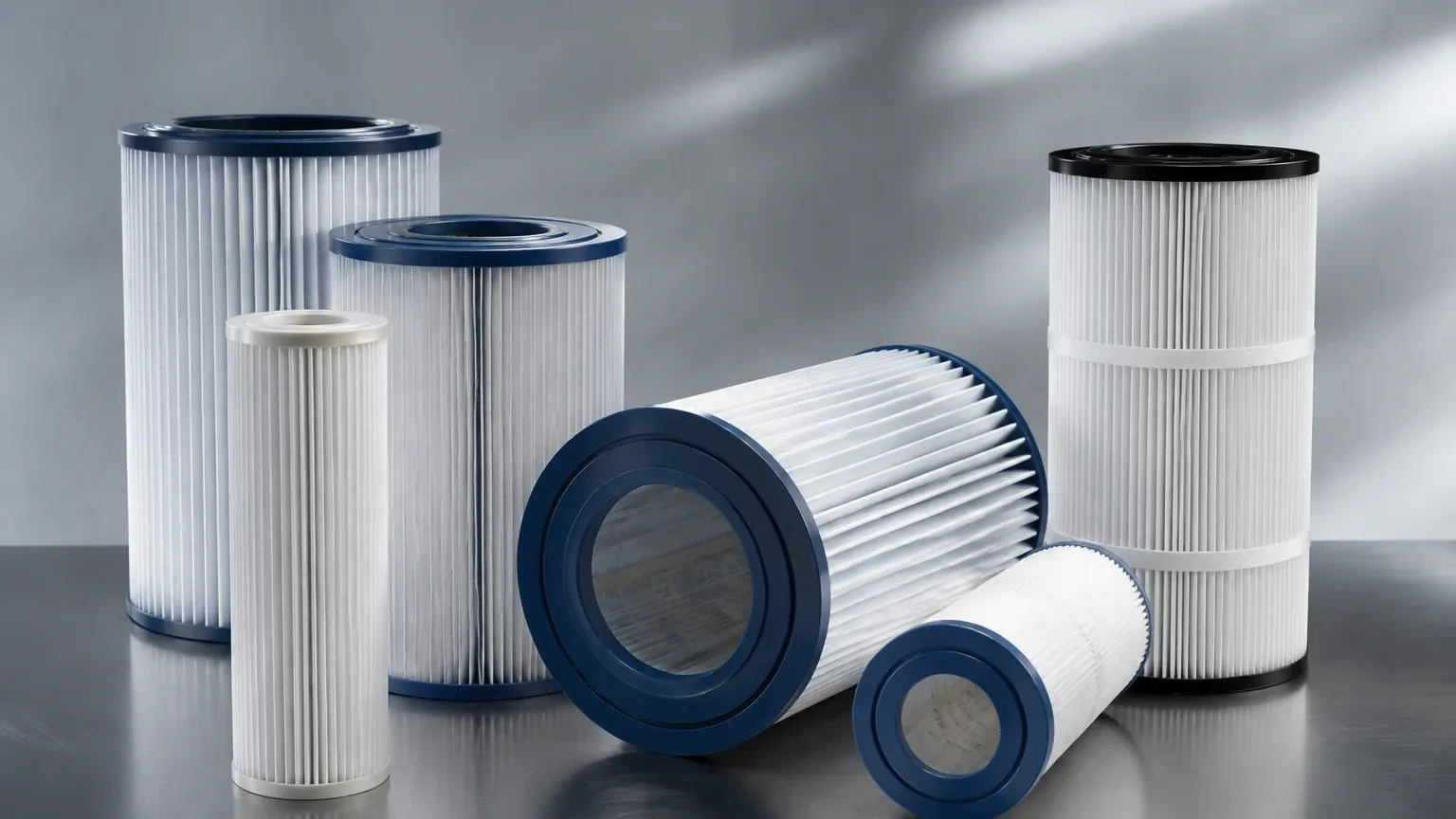
The "Jandy-style" cartridge refers to a specific design architecture characterized by high-surface-area pleating and specific dimensional standards (such as the CL and CV series). For engineers and procurement teams, the primary concern when sourcing a filter cartridge jandy is ensuring a precision fit that prevents fluid bypass.
Fluid bypass occurs when the cartridge does not seat correctly within the housing manifold, allowing unfiltered water to circulate back into the system. This is often caused by substandard end cap dimensions or a lack of structural rigidity in the cartridge core. High-quality replacement cartridges must adhere to strict tolerances regarding height, outer diameter, and the inner diameter of the center core.
Furthermore, the pleat count and pleat depth are not merely aesthetic choices; they determine the Effective Filtration Area (EFA). A higher EFA typically results in a lower face velocity across the media, which enhances particle retention and extends the time between cleaning cycles. When evaluating specifications, it is vital to confirm that the replacement media matches or exceeds the original equipment manufacturer (OEM) surface area to avoid premature pressure spikes.
Material Engineering: From Polyester to Stainless Steel Alternatives
Most standard cartridges for these systems utilize non-woven polyester media. While polyester is effective for general sediment removal in ambient temperature water, industrial applications often demand more robust materials.
1. Polyester Media: This is the industry standard for most pool and light commercial applications. It offers a balance of filtration fineness (typically 20-30 microns) and cost-effectiveness. However, it is susceptible to degradation when exposed to high concentrations of oxidizers or extreme pH fluctuations.
2. Reinforced Cores: In high-pressure environments, the center core of the cartridge is the primary point of failure. Industrial-grade cartridges utilize extrusions or injected-molded cores with high collapse strength to withstand the differential pressure that builds up as the media becomes loaded with debris.
3. Stainless Steel Mesh: For specialized industrial processes that require the Jandy housing footprint but involve high temperatures or aggressive chemicals, stainless steel wire mesh cartridges are the superior choice. As a specialist in stainless steel filtration, Kaifil provides custom-engineered metal Filter Cartridges that offer permanent, cleanable solutions for environments where polymer-based media would fail.
Choosing the right material involves a thorough analysis of the chemical compatibility of the fluid, the operating temperature, and the specific nature of the contaminants being removed.
Performance Metrics: Filtration Accuracy and Flow Rates
When selecting a filter cartridge jandy, performance is measured by two primary metrics: micron rating and flow rate capacity.
Micron Rating: Nominal vs. Absolute
Most cartridges used in these systems are nominally rated. A nominal rating indicates the ability of the filter to capture a significant percentage (usually 60% to 80%) of particles of a specific size. In critical industrial water loops, engineers may require higher efficiency. Understanding the pore size distribution of the media is essential to ensure that fine particulates—which can cause wear on mechanical seals or clog precision nozzles—are effectively sequestered.
Flow Rate and Differential Pressure (ΔP)
Every filter cartridge introduces a degree of resistance to the flow. The initial pressure drop (clean ΔP) should be minimized to reduce the load on the circulation pumps. As the filter cartridge jandy collects debris, the differential pressure increases. If the media is poorly designed, the pleats may "pinch" or collapse together, drastically reducing the available flow area and causing a rapid, exponential rise in pressure. High-quality cartridges utilize pleat support technology—such as specialized banding or rigid outer cages—to maintain pleat separation even under heavy loading.
Maintenance and Longevity in Commercial Applications
In a commercial or industrial setting, the longevity of a filter cartridge is a major factor in the Total Cost of Ownership (TCO). While a lower-cost filter cartridge jandy might seem appealing initially, it often leads to higher operational expenses due to frequent replacements and increased labor costs.
Cleaning Cycles:
High-performance cartridges are designed to be cleaned and reused multiple times. The ability of the media to release trapped contaminants during a wash-down is a function of the fiber quality and the surface treatment of the polyester. In contrast, low-grade media often traps particles within the depth of the fibers (internal blinding), making it impossible to restore the original flow rate even after cleaning.
Signs of Exhaustion:
Engineers should monitor for the following signs that a cartridge has reached the end of its functional life:
* Permanent Pressure Increase: The "clean" pressure after a maintenance cycle remains significantly higher than the original baseline.
* End Cap Cracking: Thermal cycling or chemical exposure can embrittle the polyurethane or plastisol end caps, leading to structural failure.
* Media Fraying: If the fibers of the media begin to separate or "pill," the filtration efficiency is compromised, and the fibers themselves may become a source of downstream contamination.
Customization and OEM Solutions for Specialized Filtration
Many industrial systems utilize housings that are compatible with the Jandy footprint but are integrated into complex processing lines. In these instances, off-the-shelf consumer products are often insufficient. This is where custom manufacturing and OEM expertise become invaluable.
At Kaifil, we specialize in developing customized filtration components that fit standard housings but provide enhanced performance characteristics. This includes:
* Custom Micron Ratings: Tailoring the media density to target specific particle size distributions unique to a particular industrial process.
* Advanced Bonding Techniques: Using high-strength adhesives or thermal welding to ensure that the end caps remain bonded to the media under high-stress conditions.
* Alternative Media Layers: Incorporating carbon-impregnated layers or antimicrobial treatments for specialized water purification tasks.
By working with a manufacturer that understands the mechanical properties of Filter Cartridges, procurement teams can source components that are specifically optimized for their unique operating parameters rather than settling for a "one-size-fits-all" replacement.
Total Cost of Ownership and Procurement Considerations
For B2B buyers and facility managers, the procurement of a filter cartridge jandy should be viewed through the lens of long-term value. The initial purchase price is only one component of the cost. A comprehensive evaluation includes:
1. Energy Consumption: A filter with a higher clean ΔP or one that clogs quickly forces the pump to work harder, increasing electrical costs. Over the course of a year, the energy savings from a high-efficiency cartridge can offset the price difference of a premium product.
2. Labor Costs: The time required for staff to pull, clean, and reinstall cartridges is significant. Extending the service interval by even 20% through better pleat design can result in substantial annual labor savings.
3. System Downtime: In industrial processes, filtration failure can lead to unscheduled downtime. Investing in high-durability cartridges with reinforced cores and high-quality end caps minimizes the risk of catastrophic failure.
4. Waste Management: Durable, long-lasting cartridges reduce the volume of spent filter media that must be disposed of, aligning with corporate sustainability goals and reducing waste-handling fees.
When sourcing these components, it is essential to partner with a supplier that provides transparent technical data, including material safety data sheets (MSDS), chemical compatibility charts, and verified flow-vs-pressure-drop curves.
Conclusion: Selecting the Right Filtration Partner
Choosing a filter cartridge jandy for industrial or commercial use requires a technical approach that prioritizes structural integrity and filtration efficiency. While the market is saturated with generic replacements, the demands of professional water treatment necessitate a higher standard of engineering.
Kaifil’s commitment to precision manufacturing and material expertise ensures that our filtration solutions meet the rigorous demands of modern industry. From standard high-capacity water filters to custom-designed stainless steel components, we provide the technical support and product quality needed to optimize your filtration processes. For those seeking reliable, high-performance Filter Cartridges, understanding the intersection of design, material science, and application-specific requirements is the key to achieving superior water quality and operational reliability.
