


Filter Cartridge Quooker
In the realm of specialized water systems, maintaining the integrity of the heating element and the purity of the output is a critical engineering challenge. Systems designed for instantaneous boiling water, such as those utilizing a filter cartridge quooker, rely on precise filtration to mitigate the risks of scale accumulation and chemical contamination. For engineers and facility managers, understanding the technical specifications of these filtration components is essential for ensuring system longevity and operational efficiency.
While many domestic systems utilize standard carbon-based filtration, the underlying principles of fluid dynamics and material science are identical to those found in industrial-grade Filter Cartridges. This article examines the technical requirements of filtration for high-temperature water systems, the role of material selection, and the engineering considerations that dictate performance in both specialized and industrial applications.
The Role of Filtration in High-Temperature Water Systems
High-temperature water systems, particularly those that provide boiling water on demand, face unique mechanical stresses. The primary objective of a filter cartridge quooker is twofold: the removal of impurities that affect taste and odor, and the prevention of limescale (calcium carbonate) buildup within the vacuum-insulated tank.
Scale Mitigation
When water is heated, dissolved minerals precipitate out of the solution, forming hard deposits on heating elements and internal surfaces. In a pressurized tank environment, this scale can lead to reduced thermal efficiency, increased energy consumption, and eventual mechanical failure. High-performance filter cartridges often incorporate ion-exchange resins or polyphosphate media to sequester these minerals before they enter the heating chamber.
Chemical Removal
Chlorine and organic compounds are common in municipal water supplies. At high temperatures, these chemicals can become more volatile or react with internal components. Activated carbon filtration is the industry standard for adsorbing these contaminants, ensuring that the water remains chemically stable and palatable. For industrial applications, the purity requirements may be even more stringent, requiring multi-stage filtration to protect sensitive downstream equipment.
Technical Specifications and Material Selection
Selecting the appropriate filtration media requires an analysis of the fluid's chemical composition and the system's operating parameters. In the context of a filter cartridge quooker, the media must withstand constant pressure and varying flow rates.
Activated Carbon and HiTAC Technology
Many specialized boiling water taps utilize High Temperature Activated Carbon (HiTAC) filters. Unlike standard carbon blocks, HiTAC filters are designed to remain effective even when the water within the system reaches temperatures near boiling. The carbon is processed to create a vast network of micropores, maximizing the surface area available for adsorption.
Stainless Steel and Industrial Alternatives
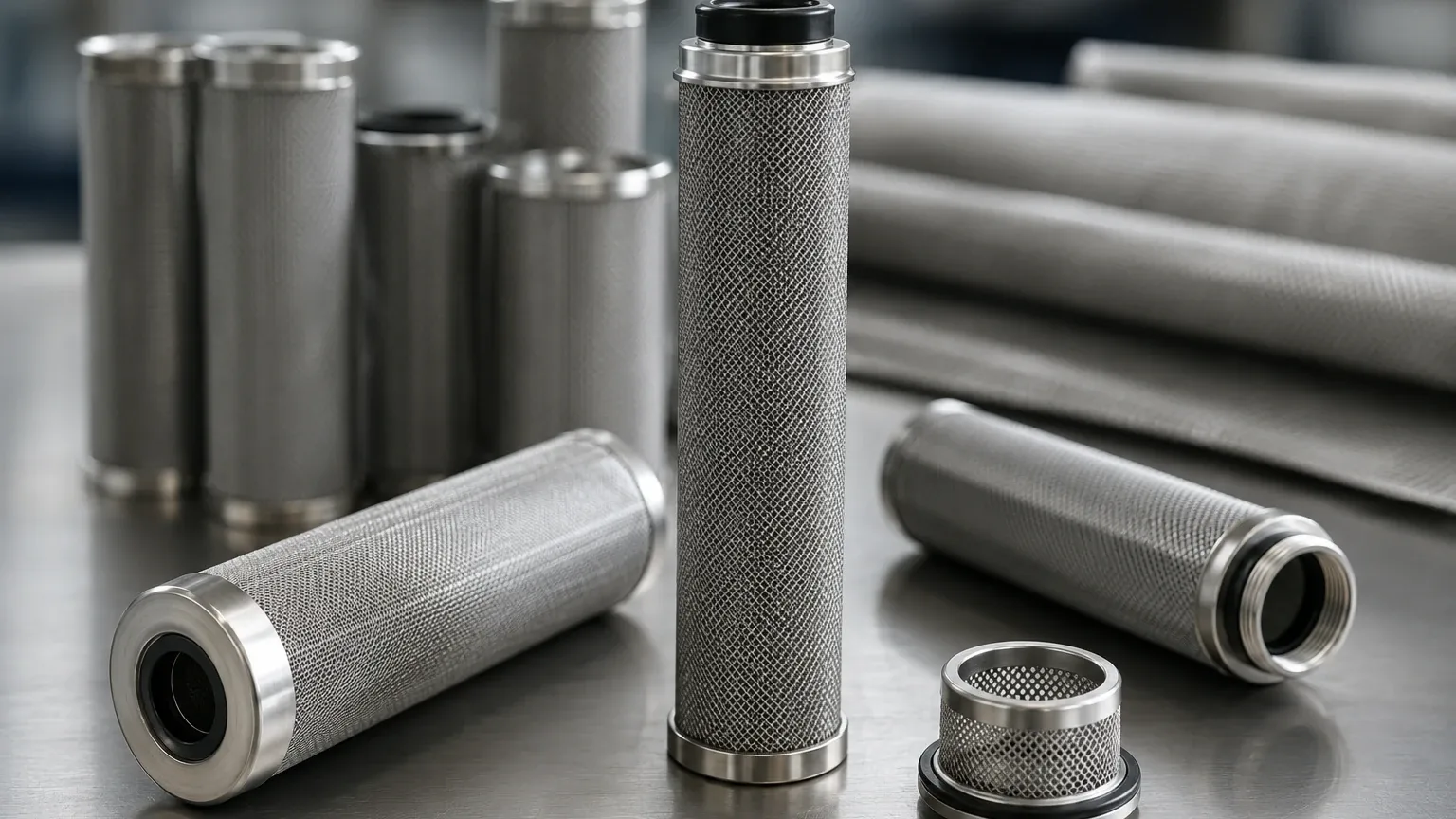
In industrial environments where durability and high-pressure resistance are paramount, stainless steel filter components are often preferred over plastic-housed carbon filters. Stainless steel 304 or 316L wire mesh provides several advantages:
* Thermal Stability: Unlike polymer-based media, stainless steel maintains its structural integrity at extreme temperatures.
* Corrosion Resistance: 316L stainless steel is particularly resistant to pitting and crevice corrosion in treated water environments.
* Cleanability: Industrial metal filters can often be backwashed or ultrasonically cleaned, providing a lower total cost of ownership compared to disposable cartridges.
For engineers designing systems that require the reliability of a filter cartridge quooker but in a more demanding industrial setting, transitioning to pleated stainless steel cartridges can provide superior mechanical strength and filtration accuracy.
Engineering Considerations: Micron Ratings and Flow Rates
One of the most critical decisions in filtration design is determining the optimal micron rating. This rating defines the size of the particles that the filter is capable of capturing.
Nominal vs. Absolute Filtration
* Nominal Rating: This indicates the filter's ability to retain a majority of particles of a specified size (e.g., 80% of 5-micron particles). This is common in general-purpose water filtration.
* Absolute Rating: This indicates that 99.9% or more of particles of a specified size are retained. In pharmaceutical or precision chemical processing, absolute-rated Filter Cartridges are necessary to ensure product consistency.
For a filter cartridge quooker, the micron rating is typically balanced to allow for a sufficient flow rate while still capturing the fine sediment that can damage the tap's ceramic valves. If the micron rating is too fine, the pressure drop across the filter will increase rapidly, leading to a noticeable decrease in flow at the tap and requiring more frequent replacements.
Pressure Drop (Delta P)
Pressure drop is the difference in water pressure between the inlet and the outlet of the filter. As the filter captures contaminants, the "Delta P" increases. Engineers must calculate the initial clean pressure drop to ensure the system meets the minimum required output pressure. In industrial settings, differential pressure gauges are used to monitor this value, signaling when a cartridge has reached its holding capacity.
Maintenance and Replacement Cycles
The effective lifespan of a filter cartridge quooker is determined by the volume of water processed and the quality of the incoming water supply. Most manufacturers recommend a replacement interval of 6 to 12 months, or after a specific gallon threshold has been reached.
Indicators for Replacement
1. Reduced Flow Rate: A significant drop in water pressure usually indicates that the filter media is saturated with sediment.
2. Taste and Odor Changes: If the carbon media has reached its adsorption limit, chlorine or metallic tastes may return to the water.
3. Scale Accumulation: In hard water areas, the return of scale flakes in the water is a clear sign that the ion-exchange or scale-inhibiting components are exhausted.
In industrial applications, relying on sensory indicators is insufficient. Automated monitoring systems track flow totals and pressure differentials to ensure that filtration performance never dips below the required threshold. This proactive approach prevents costly downtime and protects expensive heating elements from scale-induced burnout.
Customization and OEM Solutions
Every industrial environment has unique filtration requirements. While a standard filter cartridge quooker may suffice for office or light commercial use, heavy industrial processes often require customized solutions. OEM manufacturers like Kaifil specialize in developing filtration components tailored to specific mechanical and chemical environments.
Custom Filter Design Factors
* Housing Compatibility: Designing cartridges that fit existing filter housings while providing improved filtration efficiency.
* End-Cap Configurations: Ensuring a leak-proof seal through various end-cap styles (e.g., 222, 226, or DOE – Double Open End).
* Media Layering: Combining different types of wire mesh or sintered metal to create a multi-stage filtration effect within a single cartridge.
By working with a manufacturer that understands the complexities of metal filtration, engineering teams can optimize their systems for higher temperatures, more aggressive chemicals, and longer service intervals than standard consumer-grade products allow.
Total Cost of Ownership (TCO) in Filtration
When evaluating filtration options, purchasing teams must look beyond the initial unit price. The Total Cost of Ownership includes the cost of the cartridge, the labor required for replacement, the energy costs associated with pressure drop, and the potential costs of system failure if filtration is inadequate.
While a high-quality filter cartridge quooker ensures the safety and performance of a boiling water tap, industrial-grade stainless steel cartridges offer a different value proposition. Their ability to be cleaned and reused, combined with their extreme durability, often results in a lower TCO over the life of the equipment. For facilities managing multiple water points or large-scale processing lines, the reliability of the filtration component is the primary driver of cost-efficiency.
Conclusion: Selecting the Right Filtration Partner
Whether maintaining a specialized boiling water system or designing an industrial process line, the choice of filter cartridge is a fundamental engineering decision. Understanding the relationship between micron ratings, material compatibility, and pressure dynamics allows technical professionals to select the most effective solution for their specific needs.
For those requiring high-precision, durable, and customized filtration components, exploring the capabilities of industrial-grade Filter Cartridges is the next logical step. By prioritizing material quality and engineering precision, organizations can ensure the long-term reliability of their water systems and the consistency of their output.
To optimize your filtration performance and discuss customized OEM solutions for your specific application, review the technical specifications of our stainless steel filtration products and consult with our engineering team for application support.
