


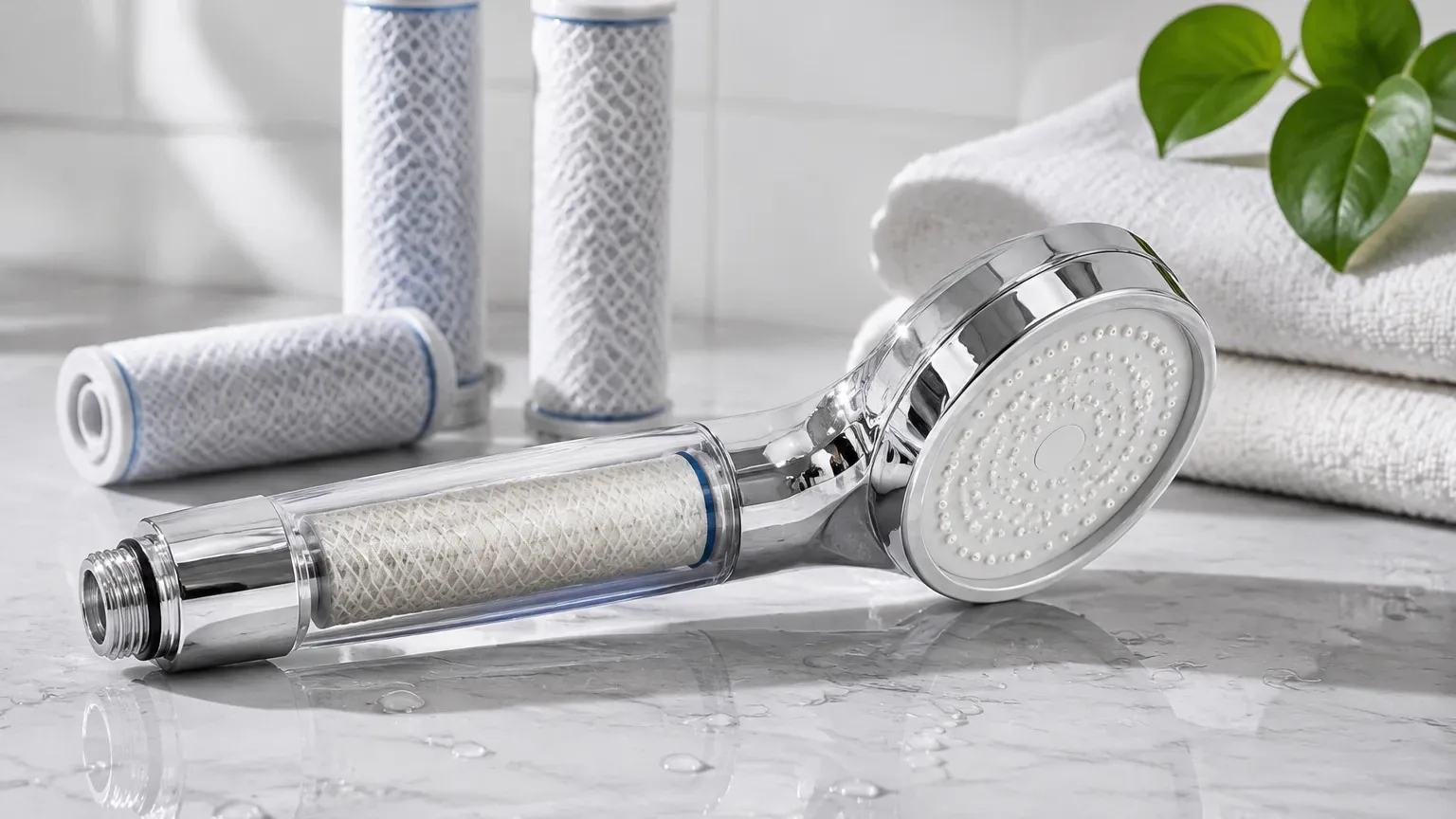
Filter Cartridge Shower Head
In industrial filtration and fluid processing, the term "filter cartridge shower head" often refers to the critical intersection of fluid distribution and particulate removal. While the term may appear in consumer contexts, in a B2B and engineering environment, it describes the specialized distribution manifolds or spray assemblies that house or work in tandem with industrial filter cartridges to ensure uniform fluid delivery across a surface or within a vessel. Achieving precise filtration while maintaining consistent flow patterns is essential for applications ranging from chemical processing to food and beverage production.
For engineers and procurement specialists, selecting the right Filter Cartridges and understanding how they integrate with distribution systems—like shower-head-style manifolds—is vital for process efficiency, product purity, and equipment longevity. This guide explores the technical considerations, material requirements, and engineering principles behind these components.
The Engineering Principles of Industrial Filter Cartridges
Industrial filtration relies on the ability of a medium to intercept particles while allowing the fluid phase to pass with minimal resistance. When a filter cartridge is integrated into a system involving a shower head or distribution plate, the engineering focus shifts toward balancing pressure drop with filtration efficiency.
Depth vs. Surface Filtration
Most industrial cartridges utilize either depth filtration or surface filtration. Surface filters, often constructed from stainless steel wire mesh or pleated media, trap particles on the upstream side of the filter. Depth filters, conversely, utilize a thick medium to capture contaminants throughout the entire structure. In systems where a "shower head" distribution is used—such as in resin bed loading or large-scale spray washing—pleated stainless steel cartridges are often preferred because they offer a high surface area, which minimizes the pressure drop across the distribution assembly.
Fluid Dynamics and Distribution
The "shower head" component of a filtration assembly is designed to prevent "channeling." Channeling occurs when fluid takes the path of least resistance, bypassing large portions of the filter media and leading to premature clogging of specific areas. By using a distribution manifold (shower head) to spread the influent evenly across the filter cartridges, the system ensures that the entire media surface is utilized, extending the service life of the component.
Understanding Fluid Distribution in Filtration Assemblies
In many high-volume industrial processes, the filter cartridge does not operate in isolation. It is part of a larger housing where the fluid must be distributed evenly. The "shower head" effect is often achieved through internal headers or perforated plates that regulate the flow.
The Role of the Distribution Plate
In large-scale water treatment or chemical reactors, a distribution plate or shower head assembly sits above the filter cartridge array. This plate ensures that the velocity of the incoming fluid is reduced and spread across the diameter of the housing. Without this, the high-velocity jet from the inlet pipe could physically damage the filter media or cause localized erosion on the cartridge surface.
Pressure Drop (Delta P) Considerations
Every component added to the flow path, including the filter cartridge shower head assembly, contributes to the total pressure drop of the system. Engineers must calculate the "Clean Pressure Drop" to ensure the pump capacity is sufficient. A well-designed distribution system should provide uniform flow without adding excessive parasitic head loss. For stainless steel cartridges, the rigid structure allows for higher differential pressures compared to polymer alternatives, making them ideal for high-viscosity or high-pressure spray applications.
Material Selection for High-Performance Filter Cartridges
Material compatibility is a non-negotiable factor in industrial filtration. The selection of materials for both the filter cartridge and the distribution manifold depends heavily on the chemical nature of the fluid and the operating temperature.
Stainless Steel (304 and 316L)
Stainless steel is the industry standard for demanding applications. 316L stainless steel, in particular, offers superior corrosion resistance, especially against chlorides and acidic solutions. In a filter cartridge shower head assembly, using stainless steel for both the cartridge and the distribution manifold prevents galvanic corrosion and ensures that the entire assembly can withstand aggressive cleaning cycles, including CIP (Clean-in-Place) processes.
Specialty Alloys and Synthetic Media
In specific chemical processing environments where even 316L may succumb to pitting, specialty alloys like Hastelloy may be required. However, for the majority of food, beverage, and pharmaceutical applications, precision-engineered stainless steel wire mesh provides the necessary durability and filtration accuracy. The mechanical strength of metal cartridges also prevents "media migration," where bits of the filter material break off and contaminate the downstream product—a common risk with lower-quality fiber-based cartridges.
Technical Specifications and Performance Evaluation
When evaluating a filter cartridge shower head system, several technical parameters must be confirmed to ensure the solution meets the application requirements.
1. Micron Rating (Absolute vs. Nominal): Engineers must distinguish between nominal ratings (a general guide to efficiency) and absolute ratings (a guarantee that 99.9% of particles above a certain size are removed). For critical distribution spray nozzles, absolute filtration is often required to prevent nozzle clogging.
2. Flow Rate Capacity: The assembly must handle the maximum system flow without exceeding the recommended flux rate (flow per unit area) of the filter media.
3. Temperature and Pressure Limits: Stainless steel assemblies can typically operate at temperatures exceeding 250°C, far beyond the limits of polypropylene or polyester cartridges.
4. Seal and Gasket Compatibility: The interface between the filter cartridge and the shower head manifold must be leak-proof. Common materials include Viton, EPDM, and PTFE, selected based on chemical compatibility.
Maintenance, Replacement Cycles, and Operational Efficiency
A primary advantage of using high-quality stainless steel Filter Cartridges in distribution systems is their cleanability. Unlike disposable cartridges, metal media can be regenerated, significantly reducing the total cost of ownership (TCO).
Cleaning Methodologies
* Backwashing: Reversing the flow through the cartridge to dislodge accumulated debris. This is often automated in continuous process industries.
* Ultrasonic Cleaning: Using high-frequency sound waves in a cleaning solvent to remove fine particulates trapped deep within the wire mesh or sintered structure.
* Chemical Cleaning: Utilizing acids or alkalis to dissolve organic or inorganic scaling, provided the cartridge material is compatible.
Monitoring Performance
Differential pressure gauges are the most reliable tool for determining when a filter cartridge needs cleaning or replacement. A sudden drop in pressure might indicate a breach in the filter media (bypass), while a rapid increase suggests heavy loading or a change in the influent characteristics. Regular monitoring helps prevent downtime and ensures the shower head distribution remains effective.
Customization Options for Specialized Industrial Applications
No two industrial processes are identical, which is why customization is a critical service for filtration components. When standard off-the-shelf cartridges do not meet the specific geometry or performance needs of a shower head assembly, custom engineering becomes necessary.
Tailored Micron Ratings and Geometry
Custom manufacturers can adjust the weave pattern of the wire mesh or the pleat density of the cartridge to achieve a specific balance of filtration fineness and flow capacity. Furthermore, the end-cap configurations (e.g., 222, 226, or NPT threaded connections) can be customized to fit existing shower head manifolds perfectly, ensuring a secure mechanical fit.
Integration with Distribution Manifolds
For OEM applications, the filter cartridge can be designed as an integral part of the spray assembly. This might include specialized internal supports to handle high-pressure pulses or integrated baffles that assist the shower head in distributing fluid. By collaborating with a manufacturer that understands both the filtration media and the mechanical assembly, engineers can optimize the entire fluid delivery sub-system.
Total Cost of Ownership Considerations
While the initial investment in a stainless steel filter cartridge shower head assembly is higher than in plastic or disposable alternatives, the long-term economic benefits are substantial.
* Reduced Waste: Eliminating the frequent disposal of used cartridges aligns with corporate sustainability goals and reduces waste management costs.
* Process Consistency: Metal cartridges maintain their pore structure under pressure, ensuring consistent filtration quality over thousands of hours of operation.
* Durability: In harsh environments involving high temperatures or mechanical vibration, stainless steel components prevent catastrophic failures that could lead to expensive batch losses or downstream equipment damage.
Conclusion: Selecting the Right Solution
Choosing the correct filter cartridge for a shower head or distribution system requires a deep understanding of the fluid dynamics and environmental constraints of the application. Engineers should prioritize material integrity, precise micron ratings, and the ability to clean and reuse the media to ensure maximum ROI.
Whether the application involves protecting sensitive spray nozzles in a chemical plant or ensuring the uniform distribution of purified water in a food processing line, the quality of the filter cartridge is the determining factor in system reliability. By focusing on technical specifications and working with experienced manufacturers, purchasing teams can secure filtration solutions that provide both high performance and long-term durability.
For those seeking to optimize their industrial filtration processes, exploring the range of available Filter Cartridges and consulting with technical experts on custom distribution designs is the recommended next step in achieving operational excellence.
