


Filter Cartridge Top Fin
In industrial filtration, the mechanical design of a filter’s end caps is as critical as the media itself. Among the various configurations used to secure and align filter elements within a housing, the filter cartridge top fin is a prominent feature in high-efficiency systems. Often associated with specific industry standards such as Code 7 or Code 8 configurations, the top fin serves both functional and structural roles, ensuring that the cartridge remains stable, leak-proof, and easy to maintain during demanding industrial processes.
For engineers and procurement specialists, understanding the technical nuances of the filter cartridge top fin is essential for optimizing filtration performance in chemical processing, food and beverage production, and pharmaceutical manufacturing. This guide examines the engineering principles, material considerations, and application-specific benefits of utilizing top fin designs in industrial Filter Cartridges.
The Role of the Top Fin in Filter Cartridge Architecture
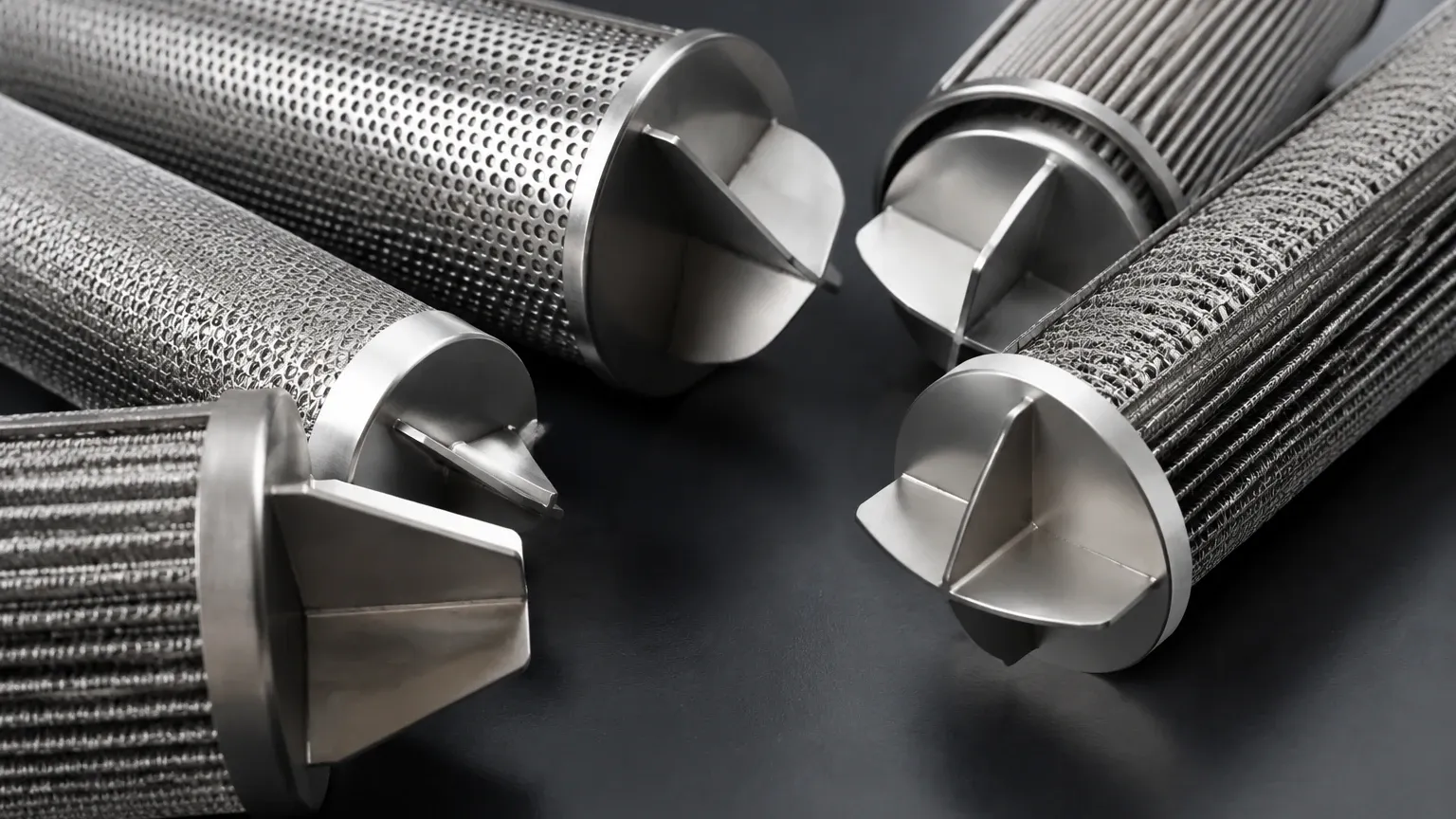
The "top fin" refers to the flat, handle-like extension located on the upper end cap of a filter cartridge. While it may appear to be a simple handling feature, its integration into the filtration assembly is a calculated engineering choice. In most high-performance liquid filtration systems, the cartridge is secured at the base—typically via a 222 or 226 O-ring plug-in style—and the top fin extends toward the housing cover.
Mechanical Stabilization
In high-flow or high-viscosity applications, fluid turbulence can cause lateral movement or vibration within the filter housing. A top fin provides a point of contact or a guide mechanism that helps center the cartridge. When the housing head is closed, the internal plate or spring assembly often interacts with the fin to exert a slight downward pressure, ensuring the O-rings at the base remain fully seated in the tubesheet. This prevents bypass, where unfiltered fluid escapes around the seals.
Ergonomics and Maintenance
Industrial filtration environments often involve hazardous chemicals, high temperatures, or strict hygiene protocols. The top fin acts as a built-in handle, allowing maintenance technicians to install or remove cartridges without directly touching the filter media. This is particularly important for maintaining the integrity of pleated stainless steel or membrane filters where physical contact could damage the delicate pore structure or introduce contaminants.
Technical Specifications and Industry Standards
The filter cartridge top fin is rarely a standalone feature; it is almost always part of a standardized end cap configuration. Understanding these codes is vital for ensuring compatibility between the replacement cartridge and the existing housing.
Code 7 Configuration
One of the most common specifications featuring a top fin is the Code 7 (or Type 7) design. This configuration consists of:
- Base: A 226 O-ring fitting with two locking tabs (bayonets).
- Top: A flat fin.
This design is favored in the pharmaceutical and biotechnology sectors because the locking tabs provide a positive, twist-lock seal that can withstand back-pressure and sterilization cycles, while the fin ensures the cartridge remains upright and manageable during change-outs.
Code 8 Configuration
Similar to Code 7, the Code 8 configuration utilizes a top fin but differs at the base:
- Base: A 222 O-ring fitting (no locking tabs).
- Top: A flat fin.
This is frequently used in water treatment and general chemical processing where the mechanical locking of the 226 style is not required, but the stabilization provided by the top fin is still necessary.
Material Selection for Industrial Environments
While many disposable filters use polypropylene or polyester for their end caps and fins, industrial-grade applications—especially those involving extreme temperatures or corrosive fluids—require more robust materials. Stainless steel filter cartridges with integrated top fins offer superior longevity and chemical compatibility.
Stainless Steel (304 and 316L)
For applications in the chemical and food industries, 316L stainless steel is the preferred material for the top fin and end caps. It provides excellent resistance to pitting and crevice corrosion. In stainless steel designs, the fin is typically TIG (Tungsten Inert Gas) welded to the end cap. This creates a monolithic structure that eliminates the risk of adhesive failure, which is a common point of concern in high-temperature steam sterilization (SIP) or chemical cleaning (CIP) processes.
Thermal and Chemical Resistance
Unlike plastic fins, which may soften or become brittle when exposed to solvents or temperatures exceeding 100°C, a stainless steel filter cartridge top fin maintains its structural integrity. This is critical in hydraulic systems and high-pressure chemical reactors where the cartridge must withstand significant differential pressures without deforming.
Engineering Considerations for High-Performance Filtration
When selecting or customizing filter cartridges with a top fin, engineers must evaluate several performance factors to ensure the component meets the specific demands of the process.
Flow Dynamics and Bypass Prevention
The primary goal of any filtration system is to ensure 100% of the fluid passes through the media. If a top fin is incorrectly sized for the housing, it can lead to misalignment. A misaligned cartridge may result in an uneven seal at the base, leading to bypass. Engineers should confirm the "Overall Length" (OAL) of the cartridge, including the fin, to ensure it fits within the housing's clearance limits while still allowing the compression plate to function correctly.
Pressure Drop and Structural Support
In pleated metal filters, the end caps (including the fin) must be able to support the weight of the media when it becomes loaded with contaminants. As the differential pressure (ΔP) increases, the force exerted on the cartridge assembly grows. A robustly welded top fin contributes to the overall axial strength of the cartridge, preventing the pleat pack from collapsing or shifting under load.
Cleanability and Hygiene
In the food, beverage, and pharmaceutical industries, the design of the top fin must avoid "dead zones" where bacteria or residual product can accumulate. High-quality stainless steel fins are polished to a specific Ra (Roughness Average) to ensure they are easy to sanitize. The transition between the fin and the end cap should be smooth and free of burrs or deep crevices.
Common Risks and Troubleshooting
Even a well-designed filter cartridge top fin can fail if not matched correctly to the application or housing. Common issues include:
1. Fin Interference: If the fin is too tall, the housing lid may not close properly, or it may apply excessive force that crushes the filter media. Conversely, if it is too short, the stabilization plate will not engage, leading to vibration.
2. Material Incompatibility: Using a plastic-finned cartridge in a solvent-based process can lead to the fin dissolving or snapping off, potentially contaminating the downstream filtrate with particulate matter.
3. Welding Fatigue: In low-quality metal filters, the weld point between the fin and the cap may be a weak spot. Under constant thermal cycling (heating and cooling), a poor weld can crack. It is essential to source components from manufacturers that utilize precision welding techniques and rigorous quality control.
Selecting the Right Configuration for Your Project
Before purchasing replacement Filter Cartridges, technical teams should verify the following parameters regarding the top fin and end cap assembly:
* Housing Compatibility: Does the housing require a Code 7 (226/Fin) or Code 8 (222/Fin) style? Verify the internal height of the housing to ensure the fin length is appropriate.
* Operating Temperature: Will the process exceed the thermal limits of polymer fins? If so, specify stainless steel construction.
* Chemical Exposure: Ensure the fin material and any associated O-rings (EPDM, Viton, PTFE) are compatible with the process fluid.
* Sterilization Requirements: If the system requires autoclaving or in-line steaming, the top fin must be made of a material that does not outgas or deform under heat.
Conclusion
The filter cartridge top fin is a vital component in the architecture of industrial filtration systems. By providing mechanical stability, facilitating safe handling, and ensuring proper alignment within the housing, it directly contributes to the reliability and efficiency of the filtration process. Whether you are managing a high-purity pharmaceutical line or a rugged hydraulic system, selecting the correct fin configuration and material is a fundamental step in preventing bypass and extending the service life of your filter elements.
For specialized industrial applications, custom-engineered stainless steel solutions offer the durability and precision required to meet stringent performance standards. Focusing on high-quality construction and verified dimensions ensures that the filter cartridge top fin performs its role effectively, supporting the overall integrity of the fluid processing system.
