


Filter Cartridges Hs Code
In the landscape of international industrial procurement, the precise classification of components is as critical as their engineering specifications. For engineers and procurement managers sourcing high-performance filtration solutions, understanding the filter cartridges hs code is essential for ensuring regulatory compliance, calculating accurate total cost of ownership (TCO), and avoiding costly delays at customs.
The Harmonized System (HS) is a standardized numerical method of classifying traded products used by customs authorities around the world to identify products when assessing duties and taxes and gathering statistics. For Filter Cartridges, classification typically falls under Chapter 84 of the Harmonized Tariff Schedule, which covers nuclear reactors, boilers, machinery, and mechanical appliances.
The Strategic Role of HS Codes in Filtration Procurement
When sourcing industrial filter cartridges, the HS code serves as the universal language between the manufacturer, the exporter, the importer, and the customs agent. A misclassification can lead to more than just administrative headaches; it can result in the application of incorrect duty rates, the loss of preferential trade agreement benefits, or even the seizure of goods for non-compliance.
For technical professionals, the filter cartridges hs code provides a framework for understanding how a product is viewed by international trade bodies. Whether you are importing stainless steel wire mesh filters for chemical processing or sintered metal cartridges for high-temperature steam filtration, the specific code assigned to the shipment determines the regulatory hurdles you must clear. This is particularly important for customized filtration solutions where the material composition and intended application may straddle multiple classification categories.
Primary HS Code Classifications for Filter Cartridges
Most industrial filter cartridges are classified under the heading 8421, which encompasses "Centrifuges, including centrifugal dryers; filtering or purifying machinery and apparatus, for liquids or gases." Within this heading, several subheadings are relevant depending on the nature of the fluid being filtered and the specific function of the cartridge.
8421.21: Water Filtration and Purification
This subheading is specifically reserved for filtering or purifying water. If the filter cartridges are designed for municipal water treatment, desalination, or basic industrial water recycling, they often fall under this category. This classification is common for sediment filters, carbon blocks, and certain stainless steel mesh pre-filters used in water-intensive industries.
8421.29: Other Liquid Filtration
For most industrial applications involving liquids other than water—such as hydraulic oils, chemical solvents, liquid fuels, or food and beverage processing—the relevant code is 8421.29. This is a broad category that covers a significant portion of the stainless steel filter cartridges used in heavy industry. When sourcing custom filtration components for aggressive chemical environments, this is frequently the primary classification utilized.
8421.39: Gas and Air Filtration
If the filter cartridges are intended for the purification of gases or air (excluding intake air filters for internal combustion engines, which fall under 8421.31), they are classified under 8421.39. This includes cartridges used in compressed air systems, nitrogen generation, and industrial emission control. Engineering teams must distinguish between liquid and gas applications clearly in their documentation to ensure the correct code is applied.
8421.99: Parts of Filtering or Purifying Machinery
There is often a technical debate regarding whether a filter cartridge should be classified as the "filtering apparatus" itself or as a "part" of a larger system. Subheading 8421.99 covers parts of the machinery described in the 8421 heading. In many jurisdictions, replaceable filter elements or cartridges are classified under the specific functional code (like 8421.29) rather than the general "parts" code, but this can vary based on local customs rulings and the complexity of the filter assembly.
Technical Factors Influencing Classification
Determining the correct filter cartridges hs code requires a deep dive into the technical specifications of the product. Customs authorities look at several factors to verify classification, and engineers should be prepared to provide the following data:
1. Material Composition: Is the filter made of 304 or 316L stainless steel? Is it a multi-layer sintered mesh or a simple woven wire cloth? The material of construction is a primary identifier, especially when determining if the item qualifies for specific metal-related tariffs or exemptions.
2. Filtration Mechanism: Does the cartridge operate via surface filtration or depth filtration? While this may seem like an engineering detail, it helps define the "essential character" of the product for customs purposes.
3. End-Use Application: Is the filter part of a hydraulic power unit, a pharmaceutical cleanroom system, or a food-grade processing line? The application often dictates which sub-heading is most appropriate, particularly when distinguishing between water treatment and other liquid processes.
4. Integration Level: Is the cartridge a standalone replaceable unit, or is it permanently integrated into a housing? Standalone cartridges are generally classified by function, whereas integrated assemblies might be classified as part of the larger machine they serve.
Managing Compliance and Duty Implications
Correctly identifying the filter cartridges hs code is the first step in managing the financial aspects of an international procurement project. Duty rates can vary significantly between 8421.21 and 8421.29 depending on the country of origin and the destination country's trade policies.
For example, under various Free Trade Agreements (FTAs), certain HS codes may qualify for zero-duty entry, provided that the Rules of Origin are met. Conversely, some regions may impose anti-dumping duties or Section 301 tariffs on specific categories of metal products. By confirming the HS code early in the design and quoting phase, procurement teams can build accurate landed-cost models and avoid budget overruns.
Furthermore, compliance involves more than just duties. Certain HS codes trigger requirements for additional certifications, such as FDA compliance for food-contact materials or PED (Pressure Equipment Directive) certification for filters used in high-pressure systems. Ensuring the code matches the documentation is vital for a smooth transition through the supply chain.
Engineering Documentation for Customs Success
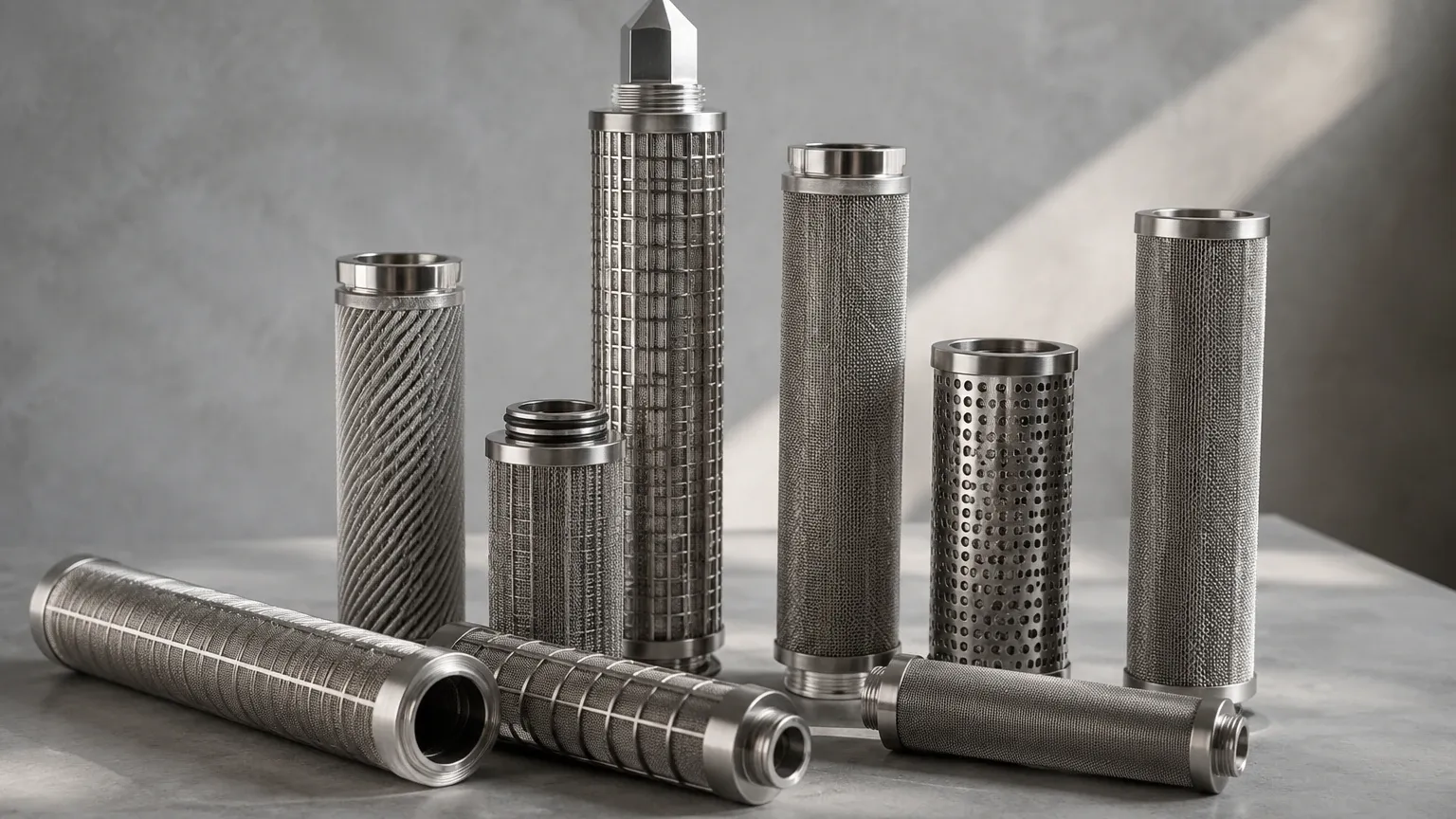
To support the chosen filter cartridges hs code, manufacturers and engineers should maintain a robust documentation package. When Kaifil develops custom stainless steel filtration solutions, providing clear technical data is part of the professional partnership. Essential documents include:
* Technical Drawings: Clearly showing dimensions, connection types (such as DOE, 222, or 226), and structural components.
* Material Test Reports (MTRs): Validating the chemical composition of the stainless steel to prove it meets the standards for the declared classification.
* Micron Rating and Efficiency Certificates: Defining the performance characteristics of the filter media.
* Commercial Invoices with Detailed Descriptions: Instead of just listing "Filter Cartridge," the invoice should state "Stainless Steel Wire Mesh Filter Cartridge for Industrial Liquid Filtration (HS 8421.29)."
Common Risks in HS Code Misclassification
The risks of using an incorrect filter cartridges hs code are substantial. Customs agencies utilize automated systems to flag discrepancies between the product description and the declared code. If a shipment of stainless steel cartridges is labeled under a general "steel articles" code (Chapter 73) instead of the specific filtration machinery code (Chapter 84), it may trigger a manual audit.
Audits can lead to:
* Retroactive Duty Payments: If customs determines that a higher-duty code should have been used for past shipments, they can demand back-payments for several years of imports.
* Administrative Fines: Penalties for misclassification can often exceed the value of the goods themselves.
* Supply Chain Disruptions: Goods held at the port for inspection can delay production schedules, leading to downtime in critical industrial processes.
Selecting the Right Partner for Global Filtration Solutions
Navigating the technical and regulatory complexities of industrial filtration requires a partner who understands both the engineering and the logistics of the industry. When selecting a manufacturer for custom Filter Cartridges, it is important to evaluate their ability to provide the necessary technical support for international trade.
A professional manufacturer like Kaifil provides more than just a component; they provide the technical expertise required to ensure that the filtration solution is fit for purpose and compliant with international standards. From selecting the appropriate stainless steel grade for corrosion resistance to ensuring the micron rating meets the specific needs of a hydraulic or chemical system, every engineering decision has a ripple effect on how the product is classified and handled globally.
By focusing on precision manufacturing and clear technical communication, engineers can ensure that their filtration systems perform reliably while their procurement teams navigate the complexities of the filter cartridges hs code with confidence. Whether the application involves high-pressure liquid filtration or delicate gas purification, the intersection of engineering excellence and regulatory clarity is where successful industrial operations are built.
