


Filter Cartridge Hsn Code
In the global landscape of industrial procurement, technical specifications and regulatory compliance are equally critical. For engineers and purchasing managers sourcing high-performance filtration components, understanding the filter cartridge hsn code is essential for accurate duty assessment, customs clearance, and supply chain transparency. The Harmonized System of Nomenclature (HSN) provides a standardized numerical method of classifying traded products, ensuring that a stainless steel filter manufactured in one region is recognized with the same technical classification in another.
For specialized components like Filter Cartridges, the HSN code does more than just facilitate trade; it reflects the intended application, the medium being filtered (liquid or gas), and the material composition of the unit. This guide explores the technical nuances of HSN classification for industrial filters, the engineering considerations that drive selection, and the logistical importance of accurate documentation in B2B transactions.
Understanding the Harmonized System for Industrial Filtration
The HSN system, maintained by the World Customs Organization (WCO), categorizes products into sections, chapters, and sub-headings. Industrial filtration equipment and its components primarily fall under Chapter 84, which covers nuclear reactors, boilers, machinery, and mechanical appliances. Specifically, Heading 8421 is dedicated to "Centrifuges, including centrifugal dryers; filtering or purifying machinery and apparatus, for liquids or gases."
When determining the correct filter cartridge hsn code, it is important to distinguish between the complete filtration system (the housing and the internal elements) and the replacement filter cartridges themselves. In many jurisdictions, replacement elements are classified as "parts" of the machinery, while in others, they are classified based on the specific substance they are designed to filter.
Common HSN Codes for Filter Cartridges
While specific codes can vary slightly by country (often extending to 8 or 10 digits for local tariff purposes), the first six digits are globally harmonized. The following are the most relevant classifications for industrial filter cartridges:
* HSN 8421 21: Specifically for the filtering or purifying of water. This is commonly used for cartridges intended for municipal water treatment, desalination, or industrial process water.
* HSN 8421 29: This sub-heading covers filtering or purifying machinery and apparatus for liquids other than water. It is the standard classification for cartridges used in chemical processing, oil and gas, and hydraulic systems.
* HSN 8421 39: This covers the filtering or purifying of gases, other than intake air filters for internal combustion engines. This includes high-temperature steam filters and compressed air cartridges.
* HSN 8421 99: This code is frequently applied to "parts" of filtering or purifying machinery. Since a filter cartridge is a consumable component of a larger housing assembly, it often falls under this category in international shipping documents.
Technical Factors Influencing Filter Selection and Classification
Selecting the right filter cartridge involves more than identifying a part number. Engineers must evaluate the physical and chemical demands of the application to ensure the chosen cartridge provides the necessary filtration accuracy and structural integrity. These technical factors often dictate the material of construction, which in turn can influence the HSN classification if the product is categorized by material (such as stainless steel articles under Chapter 73).
Filtration Accuracy and Micron Ratings
The primary function of a filter cartridge is to remove contaminants of a specific size. This is measured in microns (μm). In industrial settings, filtration is categorized into two types:
1. Nominal Rating: Indicates the ability of the filter to retain a majority of particles of a specific size (usually 60% to 90%).
2. Absolute Rating: Refers to the diameter of the largest hard spherical particle that will pass through the filter under specified test conditions. For critical applications in pharmaceuticals or food and beverage, absolute-rated stainless steel mesh or sintered metal cartridges are often required.
Flow Rate and Differential Pressure
Engineers must calculate the clean pressure drop (ΔP) across the filter cartridge. A high initial pressure drop reduces the effective service life of the cartridge and increases energy consumption. Factors affecting flow rate include the viscosity of the fluid, the surface area of the filter media (often increased through pleating), and the porosity of the material. Stainless steel cartridges are particularly valued in high-viscosity applications because they can withstand higher differential pressures without collapsing compared to polymer-based alternatives.
Material Selection: Stainless Steel vs. Synthetic Media
The material of the filter cartridge is a decisive factor in both performance and regulatory classification. While polymer filters (PP, PES, PTFE) are common for single-use applications, stainless steel filtration solutions offer distinct advantages in demanding industrial environments.
Stainless Steel 304 and 316L
Stainless steel is the material of choice for applications involving high temperatures, high pressures, or corrosive chemicals.
* Grade 304: Suitable for general industrial use where basic corrosion resistance is required.
* Grade 316L: Contains molybdenum, providing superior resistance to chlorides and organic acids. It is the standard for pharmaceutical, food and beverage, and marine applications.
From a procurement perspective, the durability of stainless steel allows for cleaning and reuse (via ultrasonic cleaning or backwashing), which significantly alters the total cost of ownership compared to disposable cartridges. When shipping these items, the filter cartridge hsn code remains the primary identifier, but the material composition must be clearly stated in the technical data sheet to ensure compliance with environmental and safety standards.
Engineering Considerations for Custom Filter Cartridges
Standard off-the-shelf cartridges do not always meet the specific requirements of unique industrial processes. Customization is often necessary to integrate with existing housings or to achieve specific flow characteristics. Engineering teams should focus on the following customization parameters:
End Cap Configurations
The seal between the cartridge and the housing is critical to prevent bypass. Common configurations include:
* DOE (Double Open End): Requires flat gaskets on both ends.
* SOE (Single Open End): Often features an O-ring seal (such as 222 or 226 configurations) and a closed end or fin.
* Threaded Connections: Used in high-pressure hydraulic or steam applications to ensure a mechanical lock.
Structural Support
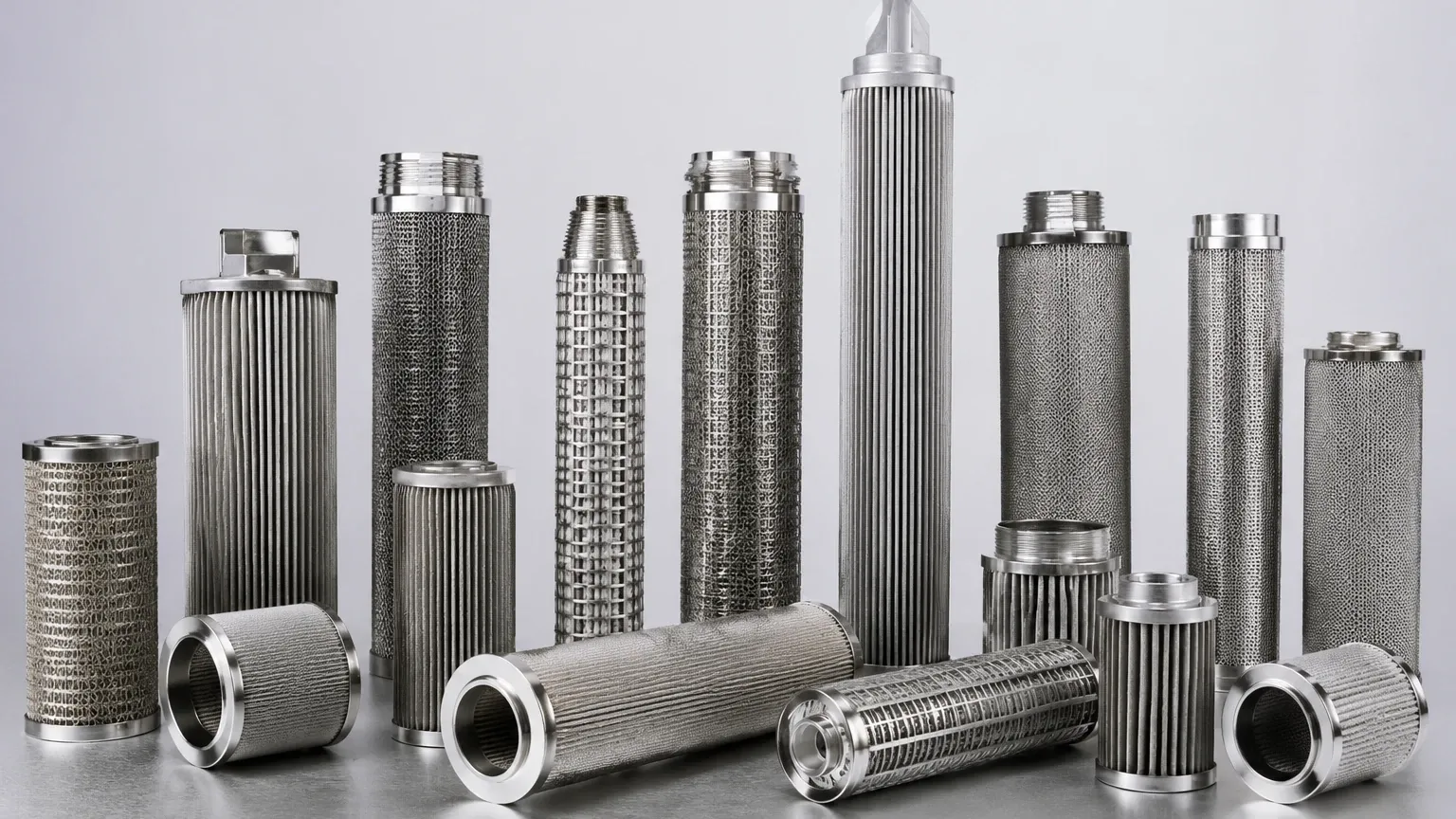
For cartridges subjected to high-pressure surges or back-pulsing, internal support cores and external cages are essential. In stainless steel designs, these components are typically welded to the filter media, creating a robust, all-metal construction that eliminates the risk of media migration or adhesive failure.
Procurement and Compliance: Navigating Global Trade
For purchasing departments, the accuracy of the filter cartridge hsn code on commercial invoices and packing lists is non-negotiable. Incorrect classification can lead to several complications:
1. Customs Delays: If the HSN code does not match the product description, customs authorities may hold the shipment for inspection, causing project delays.
2. Duty Overpayment or Underpayment: Different HSN codes carry different tariff rates. Incorrect coding may result in unnecessary costs or legal penalties for underpayment.
3. Regulatory Compliance: Certain HSN codes may trigger requirements for additional certifications, such as food-grade compliance (FDA/EC 1935/2004) or pressure vessel regulations (PED).
When working with an OEM manufacturer like Kaifil, it is standard practice to confirm the technical specifications and the corresponding HSN code during the quoting stage. This ensures that the logistics team can prepare the necessary documentation for seamless international transit.
Maintenance and Replacement Cycles in Industrial Systems
Understanding the lifecycle of a filter cartridge is vital for maintaining process efficiency. In systems using stainless steel cartridges, the replacement cycle is often replaced by a cleaning cycle.
Monitoring Performance
Pressure gauges installed upstream and downstream of the filter housing provide the most reliable data for maintenance. When the differential pressure reaches a pre-defined limit (the "terminal pressure drop"), the cartridge must be either replaced or cleaned. For critical systems, automated sensors can trigger a bypass or a cleaning cycle to prevent process downtime.
Total Cost of Ownership (TCO)
While stainless steel cartridges have a higher initial purchase price than disposable depth filters, their TCO is often lower in the long run. Factors contributing to a lower TCO include:
* Reduced Waste: Elimination of frequent disposal costs and environmental impact.
* Process Stability: Consistent filtration performance over hundreds of cleaning cycles.
* Durability: Resistance to mechanical shock and chemical degradation, reducing the risk of catastrophic failure.
Conclusion: Selecting a Reliable Filtration Partner
Navigating the complexities of industrial filtration requires a combination of engineering expertise and regulatory knowledge. From identifying the correct filter cartridge hsn code for international trade to designing a custom mesh structure for a high-temperature chemical process, every detail impacts the efficiency and safety of the operation.
For technical professionals and procurement teams, the goal is to find a partner that understands these nuances. A manufacturer that provides comprehensive technical documentation, material certifications, and engineering support can significantly streamline the acquisition process. By focusing on quality construction, precise micron ratings, and durable materials like stainless steel, industries can achieve optimized filtration performance while ensuring full compliance with global trade standards.
