


Filter Element 04030
In industrial fluid systems, the integrity of downstream components depends heavily on the efficiency of the filtration media used. The filter element 04030 is a specific designation often found in hydraulic circuits, lubrication systems, and chemical processing lines. As a critical component in maintaining fluid cleanliness, understanding its technical parameters, material composition, and operational limits is essential for engineers and maintenance professionals tasked with optimizing system uptime.
Industrial filtration is not merely about removing visible debris; it is about managing microscopic particulate matter that can lead to abrasive wear, component fatigue, and catastrophic system failure. When evaluating Filter Cartridges for the 04030 specification, technical teams must consider the interplay between flow rate, pressure drop, and the specific chemical properties of the fluid being processed.
Technical Architecture of the 04030 Filter Element
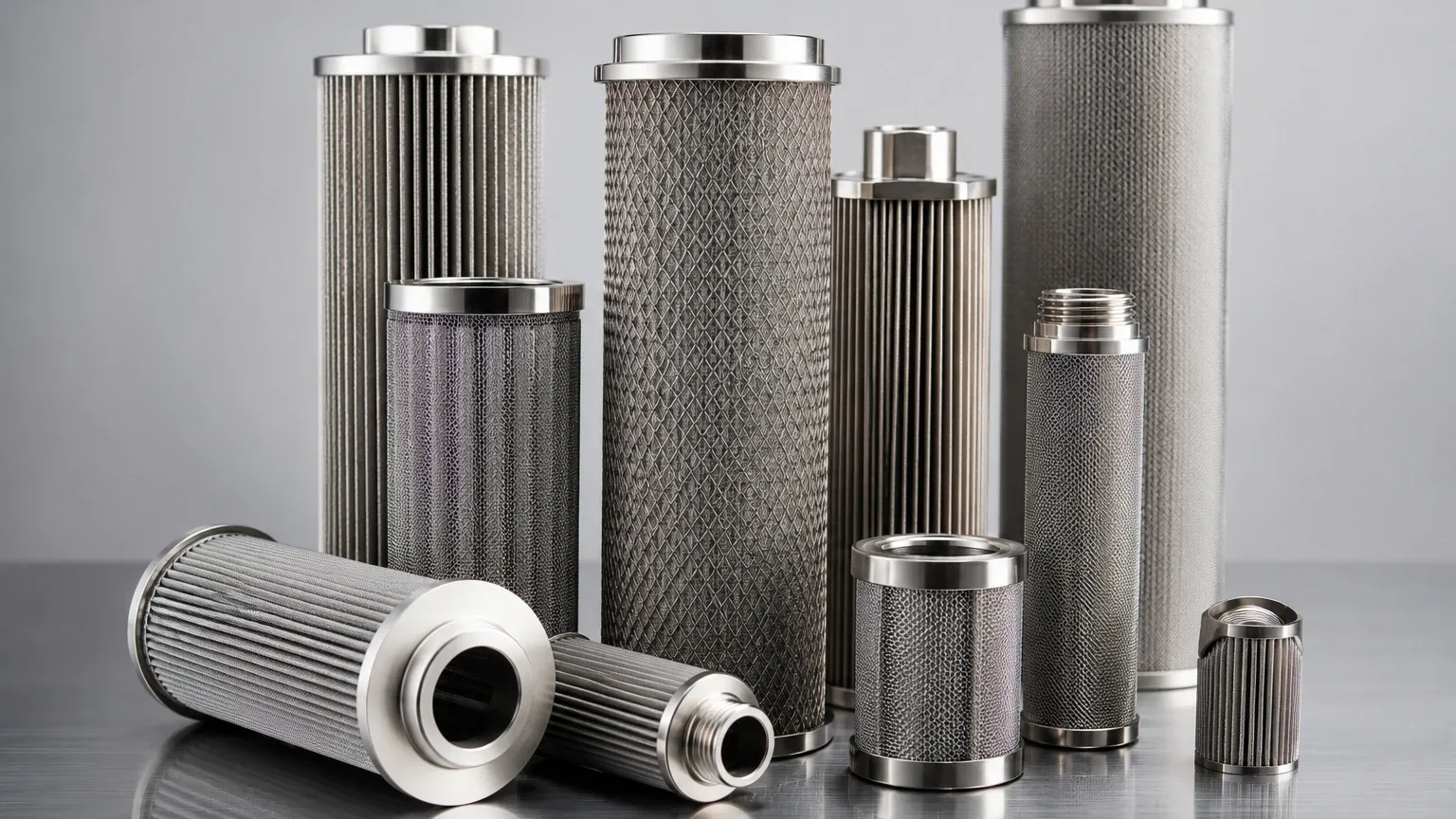
The 04030 series typically follows a standardized geometry designed to fit into specific filter housings. However, the internal architecture can vary significantly based on the manufacturer and the intended application. A high-performance filter element 04030 is generally composed of several functional layers:
1. Inner Support Core: Usually constructed from perforated stainless steel or carbon steel, the core provides the structural rigidity necessary to withstand high differential pressures. Without a robust core, the filter media can collapse inward under heavy contaminant loads or pressure surges.
2. Filtration Media: This is the heart of the element. For the 04030 series, media options range from inorganic glass fiber (for high-efficiency hydraulic applications) to stainless steel wire mesh (for cleanable, high-temperature, or corrosive environments).
3. Protective Outer Layer: A wrap or mesh that protects the pleated media during handling and prevents "pleat bunching" during high-flow conditions.
4. End Caps and Seals: Precision-engineered end caps ensure a leak-proof fit within the housing. Seal materials such as Nitrile (Buna-N), Viton (FKM), or EPDM are selected based on the chemical compatibility and temperature range of the process fluid.
Material Selection and Chemical Compatibility
One of the most critical decisions in specifying a filter element 04030 is the choice of material. While many standard elements use cellulose or polymer-based media, demanding industrial environments often require the durability of metal.
Stainless Steel Wire Mesh
Stainless steel 304 or 316L wire mesh is preferred when the application involves high temperatures (exceeding 120°C) or aggressive chemicals that would degrade synthetic fibers. Metal mesh filters are also favored for their backwashing capabilities, allowing the element to be cleaned and reused, which reduces the total cost of ownership in high-contaminant applications.
Microglass (Glass Fiber)
For systems requiring absolute filtration ratings (Beta ratios of 200 or higher), microglass is the industry standard. These fibers are much finer than cellulose, providing a higher void volume and superior dirt-holding capacity. However, unlike stainless steel, microglass elements are disposable and cannot be cleaned once they reach their terminal pressure drop.
Performance Metrics: Understanding Beta Ratios and Pressure Drop
When sourcing filter element 04030 replacements, engineers must look beyond the nominal micron rating. A "10-micron filter" from one manufacturer may perform very differently than a "10-micron filter" from another if their efficiency ratings differ.
The Beta Ratio (β)
The Beta ratio is the standard method for expressing filtration efficiency based on ISO 16889. It is calculated by dividing the number of particles of a given size upstream of the filter by the number of particles of the same size downstream. For example, a Beta ratio of β10 = 1000 means that for every 1,000 particles of 10 microns entering the filter, only one passes through. This represents 99.9% efficiency. For critical hydraulic systems using the 04030 element, absolute filtration (β ≥ 200) is often required to protect sensitive servo-valves.
Differential Pressure (ΔP)
Pressure drop is the loss of energy as fluid passes through the filter media. An ideal filter element 04030 provides a low initial ΔP to maximize the available energy for the system. As the filter captures contaminants, the ΔP increases. The "terminal" or "dirty" pressure drop is the point at which the element must be replaced or cleaned to prevent the housing's bypass valve from opening, which would allow unfiltered fluid to circulate through the system.
Applications of Filter Element 04030
The versatility of the 04030 configuration allows it to be used across a broad spectrum of industrial sectors. Each application presents unique challenges that dictate the specific construction of the element.
* Hydraulic Power Units (HPUs): In heavy machinery, the 04030 element is used in the return line or pressure line to remove wear metals and environmental dust. High collapse strength is vital here to handle cold-start conditions where fluid viscosity is high.
* Chemical Processing: When used to filter process chemicals, the element must be constructed with 316L stainless steel and specialized seals to resist corrosion. Precision metal filters ensure that the final product meets purity standards.
* Power Generation: In turbine lubrication systems, maintaining low particulate levels is essential for bearing longevity. The 04030 element helps maintain the ISO Cleanliness Codes (e.g., 16/14/11) required by turbine manufacturers.
* Food and Beverage: For steam filtration or ingredient water, stainless steel 04030 elements provide a hygienic solution that can withstand sterilization processes.
Engineering Considerations for Customization
While standard off-the-shelf versions of the filter element 04030 exist, many industrial applications benefit from customized designs. As a manufacturer specializing in precision filtration, Kaifil works with engineering teams to adapt the 04030 platform for specific operational constraints.
Pleat Optimization
The number and depth of pleats determine the total filtration surface area. Increasing the surface area reduces the face velocity of the fluid, which typically lowers the initial pressure drop and extends the service life (dirt-holding capacity) of the element. However, pleats that are too dense can restrict flow. Finding the optimal pleat geometry is a core engineering task during the design of custom Filter Cartridges.
Structural Reinforcement
In systems prone to pressure pulsations or high-viscosity fluids, standard elements may suffer from fatigue. Custom 04030 elements can be designed with thicker inner cores, outer cages, or specialized longitudinal seams (such as plasma welding instead of adhesives) to ensure mechanical integrity under stress.
Maintenance and Replacement Cycles
Proper maintenance of the filter element 04030 is not just about changing the filter on a fixed schedule. It involves monitoring the system's health to prevent premature failure.
1. Differential Pressure Monitoring: Most housings for the 04030 element are equipped with visual or electrical indicators. These should be checked daily. A rapid increase in ΔP may indicate a sudden ingress of contaminants or an internal component failure upstream.
2. Oil/Fluid Analysis: Periodic sampling of the fluid can reveal if the filter is performing as expected. If particle counts rise while the filter is still within its service life, it may indicate that the media is bypassing or that the micron rating is insufficient for the application.
3. Storage and Handling: Filter elements should remain in their original packaging until installation to prevent environmental contamination. Seals should be inspected for cracks or flat spots, and a light coating of system fluid should be applied to the seal before installation to ensure a proper seat.
Total Cost of Ownership (TCO) in Filtration
When purchasing a filter element 04030, the initial price is only one component of the total cost. Technical professionals must also account for:
* Disposal Costs: Disposable microglass elements incur ongoing waste management costs, whereas cleanable stainless steel elements have a higher upfront cost but lower long-term disposal impact.
* Energy Consumption: A filter with a high pressure drop forces the pump to work harder, increasing electrical costs over thousands of hours of operation.
* Downstream Component Life: Choosing a cheaper, less efficient filter can lead to the premature failure of expensive pumps and valves, far outweighing any savings on the filter element itself.
By selecting high-quality Filter Cartridges that meet or exceed the original equipment manufacturer (OEM) specifications, facilities can ensure stable production and reduced emergency maintenance. Kaifil’s expertise in manufacturing custom stainless steel and precision metal filters allows for the development of 04030 elements that are specifically tuned to the rigors of demanding industrial environments, providing a balance of filtration accuracy, durability, and cost-effectiveness.
