


Filter Element 0500 R 010 on
In industrial hydraulic systems, the return line filter is a critical component for maintaining fluid cleanliness and protecting sensitive components from wear. The nomenclature "0500 R 010 ON" refers to a specific configuration of a filter element designed for return line applications. For engineers and maintenance professionals, understanding the technical parameters behind this designation is essential for ensuring system reliability, optimizing maintenance intervals, and selecting the correct Filter Cartridges for demanding environments.
This guide examines the engineering specifications of the 0500 R 010 ON element, the performance characteristics of its filtration media, and the factors that influence selection and replacement in industrial hydraulic and lubrication systems.
Understanding the Technical Specifications of 0500 R 010 ON
The alphanumeric code used for these filter elements follows an industry-standard format that conveys critical performance data. Decoding this information allows technical teams to verify compatibility with existing housings and system requirements.
Size and Flow Capacity (0500)
The "0500" designation typically refers to the frame size or nominal flow capacity of the element. In the context of return line filtration, this size is engineered to handle specific flow rates—often measured in liters per minute (L/min)—without inducing excessive backpressure. Selecting the correct size ensures that the filter can accommodate the full return flow of the hydraulic circuit, including surges from cylinder decompressions or high-speed actuator movements.
Application Type (R)
The "R" signifies that the element is designed for a return line filter housing. Return line filters are positioned at the end of the hydraulic circuit, just before the fluid enters the reservoir. Unlike suction filters, which protect the pump, or pressure filters, which protect specific valves, return line filters are the primary means of capturing wear debris generated within the system components. They are designed to handle relatively low pressures but must manage high dirt-loading scenarios.
Micron Rating (010)
The "010" indicates a 10-micron filtration rating. In hydraulic systems, 10 microns is a common threshold for removing particles that are large enough to cause abrasive wear in pumps and valves but small enough to remain suspended in the fluid. Depending on the manufacturer, this is usually an absolute rating (Beta ratio $\beta_x(c) \geq 1000$), meaning the filter is 99.9% efficient at capturing particles of 10 microns and larger.
Media Technology (ON)
The "ON" suffix typically denotes the use of high-performance inorganic glass fiber (often referred to as Betamicron or similar proprietary names). This multi-layered synthetic media is designed for high dirt-holding capacity and low pressure drop. The "ON" designation specifically implies an optimized structure that maintains structural integrity under fluctuating flow conditions common in return lines.
Material Considerations for Industrial Filter Cartridges
While the standard 0500 R 010 ON element often utilizes glass fiber media, industrial applications frequently require material modifications to handle aggressive fluids, extreme temperatures, or high-pressure differentials. As a specialist in stainless steel filtration, Kaifil provides insights into when alternative materials are necessary.
Glass Fiber vs. Stainless Steel Mesh
Glass fiber media is excellent for single-use applications where high filtration efficiency is the priority. However, in applications involving high-viscosity fluids or where the filter must be cleaned and reused, stainless steel wire mesh becomes the preferred choice. Stainless steel elements offer superior chemical compatibility and can withstand temperatures that would degrade synthetic binders used in glass fiber media.
Structural Support and End Caps
The structural integrity of the filter element is maintained by an inner support tube and end caps. For standard hydraulic oils, galvanized steel or high-strength polymers may suffice. However, in chemical processing or food-grade applications, 304 or 316L stainless steel components are required to prevent corrosion and fluid contamination. The bonding method—whether using high-temperature adhesives or specialized welding techniques—must be compatible with the operating fluid to prevent bypass or element collapse.
Performance Metrics and Engineering Considerations
When evaluating a 0500 R 010 ON filter element, engineers must look beyond the micron rating and focus on the dynamic performance of the element within the system.
Differential Pressure ($ΔP$)
The pressure drop across the filter element is a function of fluid viscosity, flow rate, and the cleanliness of the media. A high-quality 10-micron element is designed to have a low initial clean pressure drop. As the filter captures contaminants, the $ΔP$ increases. It is critical to select an element that does not reach the bypass valve setting (typically 2 to 3 bar for return lines) too quickly, as this would allow unfiltered fluid to return to the reservoir.
Dirt Holding Capacity (DHC)
DHC defines the total mass of contaminants the element can retain before reaching its terminal pressure drop. Elements with pleated designs, such as those found in high-quality Filter Cartridges, maximize the surface area relative to the element's volume. A higher DHC directly translates to longer service life and reduced downtime for filter changes.
Beta Stability
In return line applications, flow is rarely constant. Rapid changes in flow (flow fatigue) can cause captured particles to be released or the media to bridge. High-performance "ON" media is engineered for Beta stability, ensuring that the 10-micron efficiency remains constant even when the system is subjected to pressure pulses or cold starts.
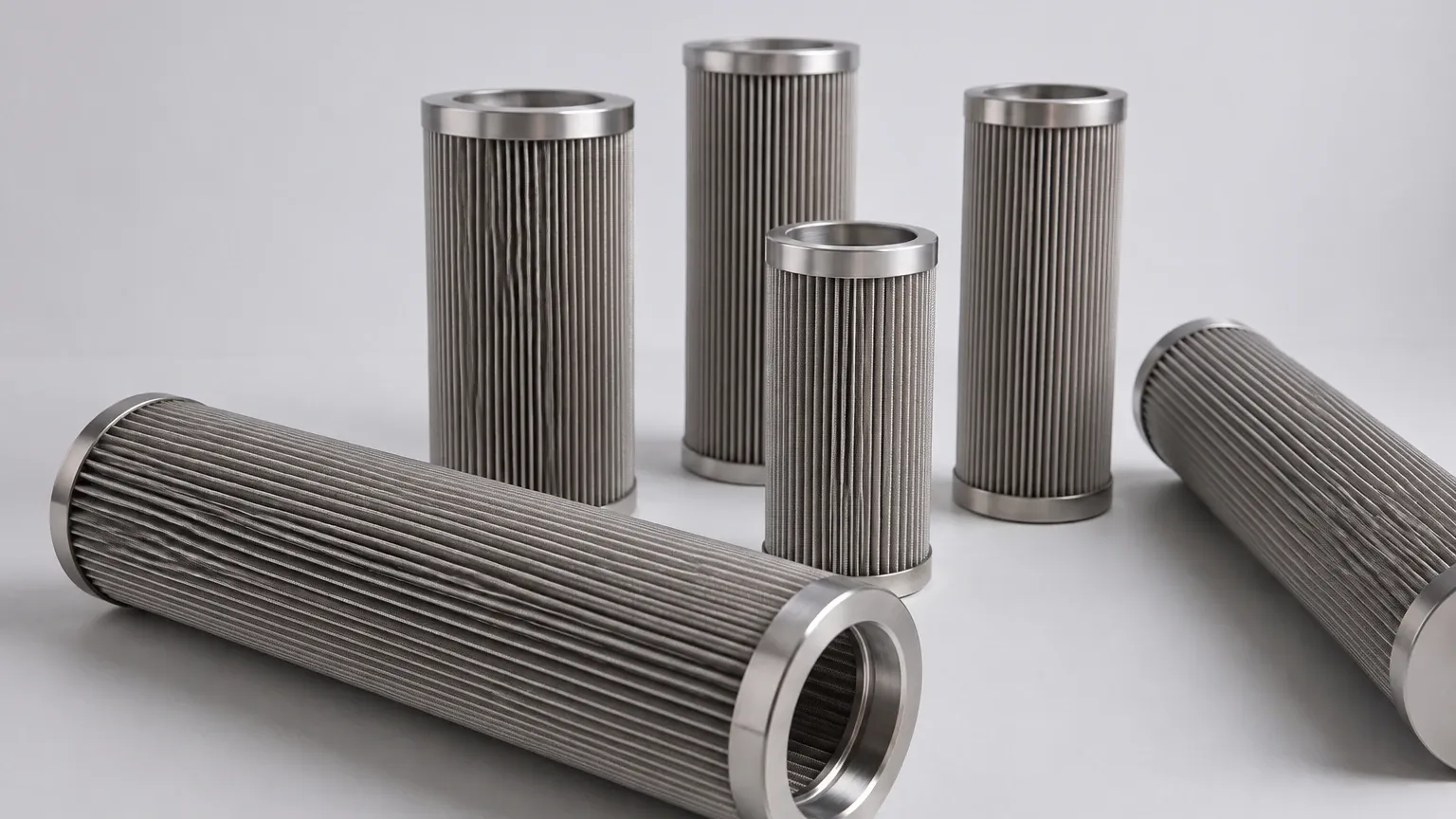
Selection and Replacement Cycles for Return Line Elements
Determining when to replace a 0500 R 010 ON element is a balance between protecting the system and managing operational costs. Relying solely on a fixed calendar schedule often leads to either premature replacement or, more dangerously, running the system with the filter in bypass mode.
Monitoring Indicators
Most return line filter housings are equipped with visual or electrical clogging indicators. These devices measure the differential pressure across the element. For a 10-micron element, the indicator is usually set to trigger at 1.5 to 2.5 bar. Once the indicator reaches the "red" zone, the element should be replaced immediately. If the system operates in cold environments, it is important to distinguish between "cold start" pressure spikes (caused by high fluid viscosity) and actual clogging.
Fluid Analysis
Regular oil analysis is the most accurate way to determine the effectiveness of the 0500 R 010 ON element. If the ISO 4406 cleanliness codes begin to rise despite the filter not indicating a clog, it may suggest that the media has been compromised or that the particle size distribution of the ingressed contaminants is smaller than the filter's rating.
Total Cost of Ownership (TCO)
When purchasing replacement elements, the initial price is only one factor. A lower-cost element may have a lower dirt-holding capacity, leading to more frequent changes, higher labor costs, and increased waste disposal fees. High-quality elements provide a lower TCO by extending the interval between changes and ensuring the longevity of expensive downstream components like hydraulic pumps and proportional valves.
Customization and OEM Solutions for Specialized Applications
In many industrial settings, standard off-the-shelf filter elements do not meet the unique requirements of the process. This is particularly true in the chemical, pharmaceutical, and offshore industries where environmental conditions are harsh.
Retrofitting and Interchangeability
Many facilities seek to optimize their filtration by retrofitting existing housings with higher-performance elements. When replacing a standard 0500 R 010 ON, it is possible to specify custom media configurations, such as water-absorbing layers or anti-static drainage layers, to address specific fluid issues like varnish formation or moisture ingress.
Custom Engineering by Kaifil
As a manufacturer of custom filtration solutions, Kaifil specializes in designing and producing filter components that meet exact application needs. Whether it is a requirement for 10-micron absolute filtration in a high-temperature chemical return line or a need for reinforced stainless steel mesh to handle high-viscosity fluids, custom engineering ensures that the filtration performance aligns with the engineering goals of the project.
Key customization options include:
* Material Upgrades: Transitioning from standard synthetic media to 316L stainless steel wire mesh or sintered metal felt for extreme durability.
* Custom Dimensions: Adjusting the length or diameter of the element to fit non-standard or legacy filter housings.
* Reinforced Support: Adding heavy-duty center cores to prevent element collapse during high-pressure surges.
Conclusion: Ensuring System Integrity
The 0500 R 010 ON filter element is a foundational component in modern hydraulic maintenance. By understanding the nuances of its 10-micron rating, the performance of its glass fiber media, and the mechanical requirements of return line service, engineers can significantly improve system uptime. Selecting high-quality Filter Cartridges and monitoring their performance through differential pressure and fluid analysis are the most effective ways to prevent premature component failure and maintain the efficiency of industrial machinery. For specialized applications where standard elements fall short, consulting with a manufacturer like Kaifil allows for the development of tailored filtration solutions that meet the most demanding technical standards.
