


Filter Element Hsn Code
In the global landscape of industrial procurement, the classification of components is as critical as their technical performance. For engineers and purchasing managers sourcing filtration solutions, understanding the filter element hsn code (Harmonized System of Nomenclature) is essential for ensuring regulatory compliance, calculating accurate landed costs, and streamlining international logistics. As a specialized manufacturer of stainless steel filtration solutions, Kaifil recognizes that the intersection of engineering specifications and customs documentation is vital for the seamless operation of industrial supply chains.
Industrial filtration involves a diverse array of components, from simple wire mesh screens to complex, multi-layered Filter Cartridges. Each of these products must be categorized under a specific HSN code to facilitate trade across borders. This guide provides a technical overview of how filter elements are classified, the engineering factors that influence these classifications, and the practical implications for B2B procurement teams.
The Role of HSN Codes in Industrial Filtration Procurement
The Harmonized System is an internationally standardized system of names and numbers to classify traded products. Developed and maintained by the World Customs Organization (WCO), it is used by more than 200 countries as a basis for their customs tariffs and for the collection of international trade statistics. For a technical professional, the HSN code is more than just a number for tax purposes; it defines the very nature of the product in the eyes of global authorities.
When sourcing industrial filters, the filter element hsn code determines the applicable customs duties, Value Added Tax (VAT) rates, and any specific import/export restrictions. An incorrect classification can lead to significant financial penalties, shipment delays, and even the seizure of goods. Therefore, technical teams must work closely with procurement departments to ensure that the physical characteristics of the filter—such as its material composition, intended application, and structural design—align with the selected HSN code.
Primary HSN Classifications for Filter Elements and Cartridges
Most industrial filtration components fall under Chapter 84 of the HSN system, which covers nuclear reactors, boilers, machinery, and mechanical appliances. Specifically, Heading 8421 is the primary category for "Centrifuges, including centrifugal dryers; filtering or purifying machinery and apparatus, for liquids or gases."
8421.21: Water Filtration and Purification
This sub-heading is reserved for machinery and apparatus used for filtering or purifying water. In industrial water treatment plants, stainless steel filter cartridges used for pre-filtration or reverse osmosis protection are often classified here. This includes components designed for municipal water systems, cooling towers, and industrial process water.
8421.23: Oil or Petrol-Filters for Internal Combustion Engines
While Kaifil focuses on broader industrial applications, it is important to note that filters specifically designed for engines have their own sub-classification. These are typically high-volume, standardized parts used in automotive and heavy machinery sectors.
8421.29: Other Liquid Filtration Apparatus
This is a broad and critical category for the chemical, pharmaceutical, and food and beverage industries. It covers filters used for liquids other than water or engine oil. Stainless steel filter elements used in hydraulic systems, chemical processing, and solvent recovery typically fall under this code. The technical complexity of these filters—often involving 316L stainless steel mesh or sintered metal fibers—requires precise documentation to justify this classification.
8421.39: Filtering or Purifying Machinery for Gases
For applications involving air or gas filtration, such as dust collection, compressed air purification, or catalyst recovery in gas streams, this sub-heading is applied. It includes high-temperature gas filters and precision metal components designed to remove particulate matter from gaseous mediums.
Technical Factors Influencing Filter Element Hsn Code Selection
The selection of the correct filter element hsn code is not solely based on the name of the product but on its technical specifications and intended use. Engineers should consider the following factors when assisting procurement teams with classification:
1. Material Composition: The primary material of the filter element is a major factor. While many filters are made of polymers or paper, industrial-grade filters often utilize stainless steel (AISI 304, 316L) or specialized alloys like Monel or Inconel. The durability and chemical resistance of these materials often place them in categories distinct from disposable, short-life filters.
2. Filtration Mechanism: Is the filter designed for surface filtration (using wire mesh) or depth filtration (using sintered felt or multi-layered media)? The complexity of the construction can influence whether the item is viewed as a simple "part" or a complex "apparatus."
3. End-Use Application: The HSN system often differentiates products based on their application. A filter element used in a life-saving pharmaceutical process may be subject to different regulatory scrutiny than one used in a general wastewater application.
4. Integration Level: Is the filter element being sold as a standalone replaceable cartridge, or is it part of a larger housing assembly? Standalone elements are generally classified as "parts" of the machinery described in heading 8421.
Material Selection and Its Impact on Customs Classification
In the realm of high-performance filtration, the choice of material is paramount. Stainless steel is the preferred material for demanding industrial environments due to its mechanical strength, thermal stability, and corrosion resistance. When determining the filter element hsn code, the material often dictates the durability and reusability of the product.
For instance, stainless steel wire mesh filters are often designed to be cleaned and reused, whereas many polymer-based filters are single-use. This distinction can sometimes affect how customs authorities view the "essential character" of the product. In some jurisdictions, the metal content itself might trigger additional trade considerations, such as anti-dumping duties or specific metal-related tariffs. Providing detailed material mill certificates and technical data sheets is essential to support the chosen HSN classification and demonstrate the product's quality.
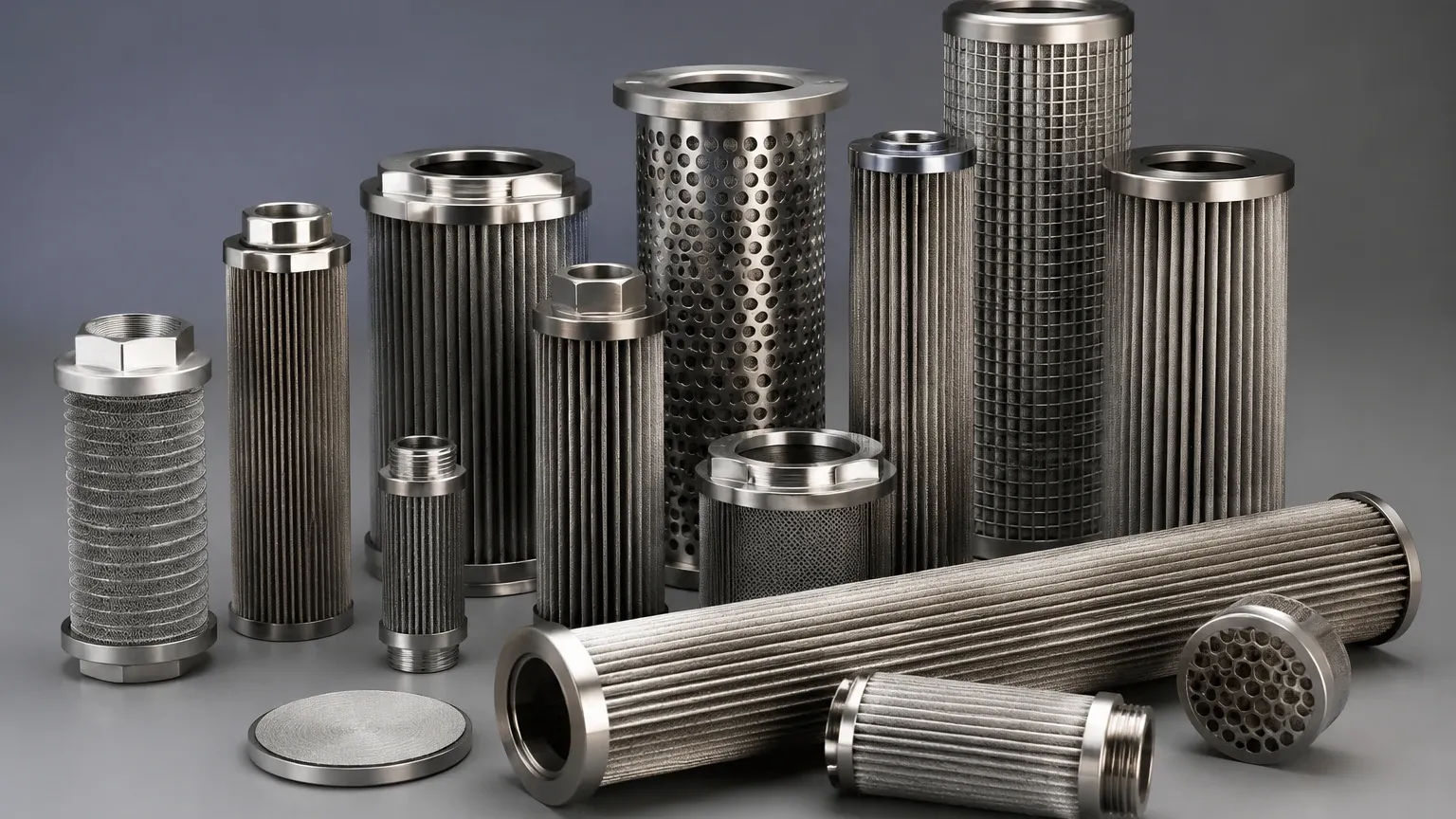
Engineering Considerations for High-Performance Filter Cartridges
When selecting Filter Cartridges, engineers must look beyond the HSN code to the actual performance metrics that will ensure process efficiency. The classification is a regulatory requirement, but the engineering design is what prevents downtime and product contamination.
Micron Rating and Efficiency
Whether the application requires nominal or absolute filtration, the micron rating must be precisely matched to the process requirements. In the pharmaceutical and food industries, absolute-rated cartridges are often required to ensure that 99.9% of particles above a certain size are removed. The structural integrity of the filter media, often achieved through sintering, ensures that the pore size remains constant even under high pressure.
Pressure Drop and Flow Rate
A critical engineering consideration is the clean pressure drop (ΔP). A high-quality filter element should provide the required filtration efficiency with minimal resistance to flow. This reduces energy consumption for pumps and extends the service life of the filter before cleaning or replacement is necessary. The HSN documentation should reflect the technical nature of these high-efficiency components to distinguish them from lower-grade alternatives.
Chemical and Thermal Compatibility
In chemical processing, filter elements are often exposed to aggressive solvents, acids, or high temperatures. Stainless steel 316L is frequently specified for its superior resistance to pitting and crevice corrosion. For extreme temperatures, sintered metal powder or fiber felt elements can operate in environments where polymer filters would fail. These technical capabilities are what define the industrial value of the product, regardless of the administrative filter element hsn code assigned to it.
Streamlining Global Logistics and Compliance
For B2B buyers, the goal is to receive high-quality filtration components on time and without unexpected costs. Achieving this requires a proactive approach to compliance. Here are steps that purchasing and engineering teams should take:
* Verify HSN Codes with Suppliers: Before placing an order, confirm the HSN code the manufacturer uses for export. This ensures consistency between the export and import documentation.
* Maintain Technical Dossiers: Keep a file of technical drawings, material specifications, and application descriptions for every filter element type. This information is invaluable if a customs authority challenges a classification.
* Monitor Regulatory Changes: HSN codes are updated periodically (usually every five years) by the WCO. Additionally, national governments may change duty rates or add trade barriers for specific codes. Staying informed helps in long-term budget planning.
* Evaluate Total Cost of Ownership (TCO): While the HSN code affects the initial duty paid, the TCO is influenced by the filter's lifespan, cleaning costs, and impact on process yield. A more expensive stainless steel cartridge may have a higher initial duty but a much lower TCO than cheaper, disposable options.
Customization and OEM Impact on Classification
Many industrial applications require customized filtration solutions that do not fit standard off-the-shelf specifications. As a manufacturer specializing in custom stainless steel filters, Kaifil works with clients to design elements that meet specific dimensional, structural, and filtration requirements.
Customization can sometimes complicate the classification process. For example, a custom-designed filter element that is integrated into a specific piece of medical or laboratory equipment might occasionally be classified under the heading for that specific equipment (e.g., Chapter 90 for medical instruments) rather than the general filtration heading 8421. However, in the vast majority of industrial cases, the functional nature of the item as a filter remains the primary determinant for the filter element hsn code.
When developing OEM solutions, it is vital to define the product's primary function clearly in the technical documentation. This clarity assists customs brokers in applying the most accurate code, ensuring that the specialized nature of the custom component is recognized and correctly taxed.
Conclusion: Integrating Technical Excellence with Regulatory Compliance
The procurement of industrial filtration components is a multi-faceted process that requires a balance of engineering precision and administrative accuracy. The filter element hsn code serves as the bridge between the technical reality of a stainless steel filter and the regulatory framework of international trade. By understanding the nuances of HSN classification—from the broad categories of Heading 8421 to the specific implications of material choice and application—B2B professionals can mitigate risks and optimize their supply chains.
At Kaifil, we provide more than just high-performance Filter Cartridges; we provide the technical expertise and documentation support necessary for global industrial operations. Whether you are filtering process chemicals, purifying water, or protecting sensitive hydraulic systems, ensuring that your filter elements are correctly classified is a vital step in maintaining operational excellence and regulatory compliance. By focusing on both the engineering specifications and the logistical requirements, companies can achieve a truly efficient filtration strategy that supports long-term growth and stability.
