


Filter Replacement in Refrigerator
In industrial and commercial cooling applications, the integrity of the refrigeration cycle depends heavily on the purity of the refrigerant and lubricating oils. While domestic units use basic disposable components, industrial refrigeration systems—ranging from food processing cold storage to chemical cooling loops—require robust filtration solutions to protect sensitive components like compressors, expansion valves, and heat exchangers. Understanding the technical nuances of filter replacement in refrigerator systems is essential for maintenance engineers and facility managers who aim to minimize downtime and optimize thermal efficiency.
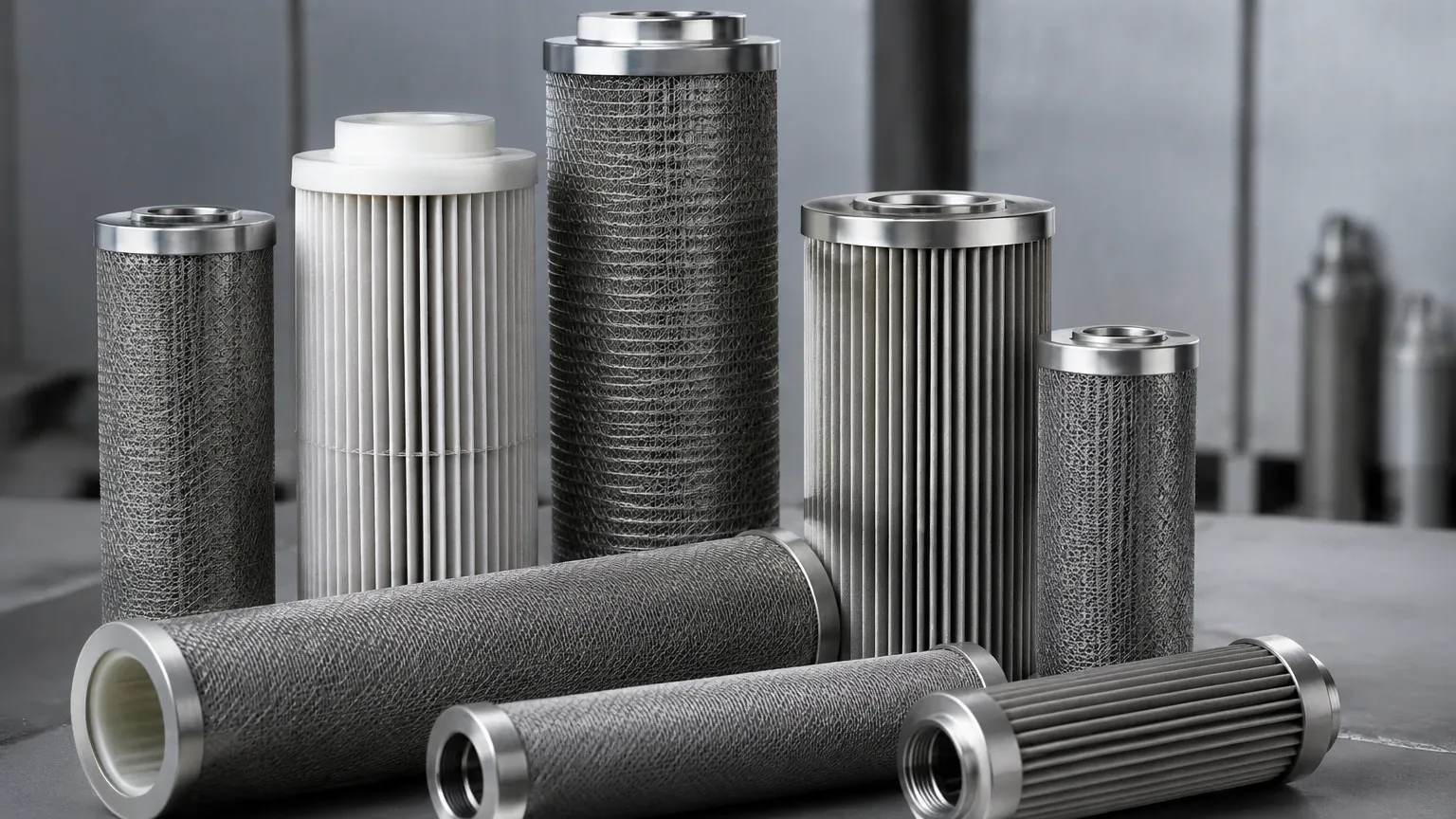
The heart of these filtration systems often involves specialized Filter Cartridges designed to withstand extreme temperatures and high-pressure environments. Unlike standard consumer-grade filters, industrial filtration components must offer precise micron ratings and structural durability to handle the rigorous demands of continuous operation.
The Critical Role of Filter Cartridges in Industrial Refrigeration
Industrial refrigeration systems are closed-loop environments where any contaminant can lead to catastrophic failure. Contaminants typically enter the system during installation, maintenance, or through the gradual wear of moving parts. Common pollutants include metal shavings, solder flux, moisture, and acid—the latter often resulting from the chemical breakdown of refrigerants and oils under high heat.
Filter cartridges serve as the primary defense mechanism in these systems. Their role is twofold: mechanical filtration of solid particles and, in some configurations, chemical adsorption of moisture and acids. In high-capacity systems, stainless steel wire mesh filters are frequently preferred due to their ability to be cleaned and reused, as well as their resistance to the corrosive nature of certain refrigerants like ammonia (NH3) or carbon dioxide (CO2).
When planning a filter replacement in refrigerator units, engineers must evaluate the specific filtration media. For example, suction line filters are designed to protect the compressor from debris returning from the evaporator, while liquid line filters ensure that the expansion valve remains free of blockages. Choosing the correct filter cartridge involves balancing filtration fineness with the allowable pressure drop across the component.
Technical Indicators for Filter Replacement in Refrigerator Systems
Determining the optimal time for a filter replacement in refrigerator systems is not merely a matter of following a calendar schedule; it requires monitoring specific performance metrics. In industrial settings, premature replacement leads to unnecessary costs, while delayed replacement risks equipment damage.
1. Differential Pressure (ΔP)
The most reliable indicator for filter replacement is the pressure drop across the filter housing. As the filter cartridge accumulates debris, the resistance to flow increases. Most industrial systems are equipped with pressure gauges or transducers at the inlet and outlet. A significant increase in ΔP—typically exceeding the manufacturer’s specified limit (often around 5-10 psi for liquid lines)—signals that the filter is reaching its dirt-holding capacity.
2. Temperature Fluctuations
In refrigeration, a clogged filter can cause a restriction that mimics the behavior of an expansion valve. If a technician notices a temperature drop across the filter drier or liquid line filter, it indicates a partial blockage where the refrigerant is undergoing an unintended phase change. This "sweating" or frosting at the filter outlet is a clear sign that a replacement is overdue.
3. Oil Analysis and Acidity
For systems using semi-hermetic or open-drive compressors, regular oil analysis can reveal the presence of acid or moisture. If the acid levels rise, the filter-drier cartridges must be replaced with high-acid-capacity units to neutralize the chemistry of the system before it eats through motor windings or bearing surfaces.
Material Selection for High-Performance Filtration
The material composition of the filter cartridge is a decisive factor in its performance and longevity. In the B2B sector, where reliability is paramount, stainless steel has become the gold standard for industrial refrigeration filtration.
* Stainless Steel Wire Mesh: Offers exceptional mechanical strength and can be manufactured with precise pore sizes. It is particularly effective for suction line filters where high flow rates and low pressure drops are required. Stainless steel 304 and 316L are the most common grades, providing resistance to both low-temperature embrittlement and chemical corrosion.
* Sintered Metal Media: For applications requiring extremely fine filtration (sub-10 micron), sintered stainless steel cartridges provide a rigid structure that prevents media migration, ensuring that no filter material enters the refrigerant stream.
* Synthetic and Composite Media: While common in light commercial use, these are often replaced by metal alternatives in heavy-duty industrial chillers to avoid the risk of the media collapsing under high-pressure surges.
When executing a filter replacement in refrigerator circuits, switching to a high-quality stainless steel Filter Cartridges can significantly extend the service interval and provide better protection for the compressor's internal components.
Engineering Parameters for Custom Filter Cartridges
Off-the-shelf solutions do not always meet the specific needs of specialized industrial cooling systems. Custom engineering allows for the optimization of several key parameters:
Micron Rating and Efficiency
Engineers must specify whether they need nominal or absolute filtration. In refrigeration, a nominal rating might suffice for general debris, but absolute filtration is critical for protecting high-speed centrifugal compressors where even microscopic particles can cause catastrophic bearing wear.
Flow Rate and Velocity
The filter must be sized to handle the maximum mass flow of the refrigerant without creating excessive turbulence or pressure drop. Custom-designed cartridges can maximize the effective filtration area within a given housing size by utilizing pleated wire mesh designs.
Structural Integrity
Industrial refrigeration systems often experience "slugging" or liquid hammering. A filter cartridge must be engineered with a robust center core and end caps (often 316 stainless steel) to resist collapsing under these transient high-pressure events.
Maintenance Procedures and Replacement Best Practices
Performing a filter replacement in refrigerator systems requires strict adherence to safety and environmental protocols, especially when dealing with pressurized refrigerants. The following steps outline the technical approach for industrial systems:
1. Isolation and Recovery: The section of the system containing the filter must be isolated using service valves. The refrigerant must be recovered using a certified recovery unit to prevent atmospheric venting, in compliance with environmental regulations (such as EPA Section 608 in the US).
2. Depressurization: Ensure the internal pressure is at atmospheric levels before opening the filter housing. This is often verified through a manifold gauge set.
3. Inspection of the Housing: Once the old cartridge is removed, the internal surfaces of the housing should be inspected for signs of scale, sludge, or metallic flakes. This inspection provides valuable diagnostic information about the health of the compressor.
4. Seal Replacement: Every filter replacement should include the installation of new O-rings or gaskets. These seals must be compatible with both the refrigerant and the lubricant (e.g., Neoprene, Viton, or EPDM depending on the oil type).
5. Evacuation and Leak Testing: After installing the new filter cartridge, the isolated section must be evacuated to remove air and moisture. A vacuum decay test ensures the integrity of the new seals before the refrigerant is reintroduced.
Impact on Total Cost of Ownership and System Efficiency
While the cost of a high-quality filter replacement in refrigerator maintenance might seem like a minor line item, its impact on the Total Cost of Ownership (TCO) is substantial. A restricted filter increases the work required by the compressor, leading to higher energy consumption. For every 1 psi of unnecessary pressure drop in the liquid line, the system's efficiency can decrease by approximately 0.5% to 1%.
Furthermore, the cost of a filter cartridge is negligible compared to the cost of a compressor rebuild or the lost production time associated with a system failure. By investing in precision-engineered Filter Cartridges, facilities can transition from reactive maintenance to a predictive strategy, using the condition of the filters as a window into the internal health of the entire refrigeration loop.
For OEM manufacturers and large-scale facility operators, partnering with a specialist in stainless steel filtration ensures that the components used in their cooling systems are not just replacements, but upgrades that enhance the reliability of the entire thermal management infrastructure. Whether dealing with ammonia chillers in food processing or glycol loops in pharmaceutical manufacturing, the right filtration strategy is a fundamental pillar of engineering excellence.
