


Filter Replacement in Car
Filtration is a fundamental requirement for the longevity and efficiency of any mechanical system. Whether in high-precision industrial machinery or standard internal combustion engines, the removal of contaminants is critical to preventing premature wear and system failure. While most technical professionals are familiar with the routine of a filter replacement in car, the engineering principles governing these components are the same ones that drive high-performance industrial filtration solutions.
Understanding the nuances of filter media, micron ratings, and pressure differentials is essential for engineers and purchasing teams tasked with maintaining operational uptime. This guide explores the technical aspects of automotive filtration and bridges the gap toward the specialized Filter Cartridges used in demanding industrial environments.
Understanding the Fundamentals of Filter Replacement in Car Systems
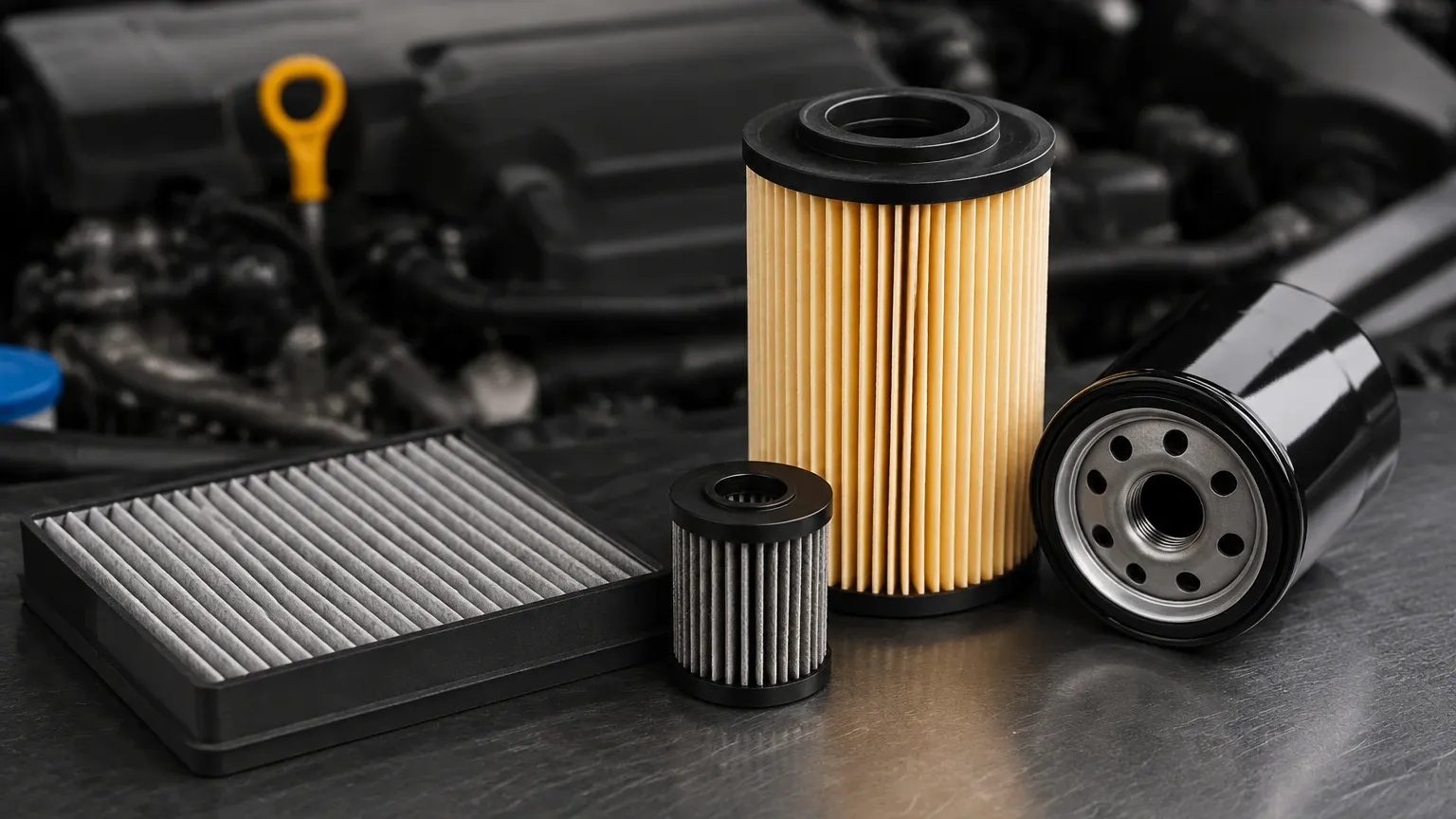
In the automotive sector, filtration systems are designed to protect the engine, fuel system, and passengers from various forms of particulate matter. A standard filter replacement in car typically involves four primary areas: oil, fuel, air, and cabin air. Each of these serves a specific technical purpose and utilizes different media to achieve its goals.
Oil Filtration
The oil filter is perhaps the most critical component for engine health. Its primary role is to capture metal shavings, carbon deposits, and dust that accumulate in the lubricating oil. In most passenger vehicles, these filters utilize cellulose or synthetic fiber media. However, in high-performance or heavy-duty automotive applications, engineers often look for higher structural integrity to withstand greater oil pressures and temperatures.
Fuel Filtration
Fuel filters must remove contaminants that could clog fuel injectors or damage high-pressure fuel pumps. With the advent of common-rail diesel systems and direct-injection gasoline engines, the required filtration accuracy has increased significantly. Modern fuel systems often require the removal of particles as small as 2 to 5 microns.
Air and Cabin Filtration
Engine air filters prevent abrasive particles from entering the combustion chamber, where they could score cylinder walls and pistons. Cabin filters, meanwhile, focus on air quality for the occupants, often incorporating activated carbon to neutralize odors and gases. While these are often seen as simple consumables, the pressure drop across these filters directly impacts engine performance and HVAC efficiency.
Engineering Comparisons: Automotive vs. Industrial Filter Cartridges
While a filter replacement in car is a common maintenance task, industrial filtration requirements often exceed the capabilities of standard automotive-grade components. The transition from automotive to industrial applications necessitates a shift in material selection and construction methods.
Media Durability and Reusability
Most automotive filters are designed for single-use and are disposed of after a set mileage or time interval. In contrast, industrial Filter Cartridges, particularly those manufactured by Kaifil, often utilize stainless steel wire mesh or sintered metal media. These materials offer several advantages:
* Chemical Compatibility: Stainless steel can withstand aggressive solvents and corrosive chemicals that would dissolve standard paper filters.
* Temperature Resistance: Industrial processes often operate at temperatures far exceeding the melting point of plastic or cellulose components.
* Cleanability: Stainless steel cartridges can often be cleaned via backwashing or ultrasonic cleaning, extending their service life and reducing the total cost of ownership.
Structural Integrity
In industrial hydraulic systems or high-pressure chemical processing, filters must maintain their shape and pore size under extreme differential pressures. A standard automotive filter might collapse if subjected to the surges found in industrial pipelines. Industrial-grade cartridges utilize reinforced inner cores and outer shrouds to ensure the media remains intact under stress.
Technical Selection Criteria for High-Performance Filtration
When moving beyond a standard filter replacement in car to selecting components for industrial machinery, engineers must evaluate several technical parameters to ensure the chosen solution meets the application's demands.
Micron Rating: Absolute vs. Nominal
A common point of confusion in filtration is the distinction between absolute and nominal ratings. A nominal rating indicates that the filter can trap a certain percentage of particles of a given size. An absolute rating, typically achieved with high-precision stainless steel mesh, guarantees that no particle larger than the specified micron size will pass through the media. For critical applications in the pharmaceutical or food and beverage industries, absolute ratings are often mandatory.
Flow Rate and Pressure Drop (ΔP)
Every filter introduces a degree of resistance to the fluid flow. This resistance is measured as pressure drop. An ideal filtration system maximizes contaminant capture while minimizing the energy required to push fluid through the media. If the pressure drop is too high, it can lead to cavitation in pumps or reduced flow in the system. In industrial settings, monitoring the differential pressure is the primary method for determining when a filter requires cleaning or replacement.
Effective Filtration Area
The service life of a filter is directly proportional to its effective filtration area. By using pleated designs, manufacturers can significantly increase the surface area within a compact cartridge footprint. This allows for higher dirt-holding capacity and longer intervals between maintenance cycles.
The Role of Stainless Steel in Critical Filtration Applications
For industries where reliability is non-negotiable, such as aerospace, chemical processing, and water treatment, stainless steel is the material of choice. Kaifil specializes in custom stainless steel filtration solutions that address the limitations of traditional media.
Corrosion Resistance
In many industrial environments, the fluid being filtered is inherently corrosive. Using 304 or 316L stainless steel ensures that the filter itself does not become a source of contamination through oxidation or chemical breakdown. This is a significant step up from the materials encountered during a routine filter replacement in car, where components are rarely exposed to such harsh conditions.
Precision Wire Mesh
Stainless steel wire mesh allows for extremely precise control over pore size. This precision is vital for applications requiring exact particle separation. Whether it is a plain weave for high flow or a Dutch weave for fine filtration, the geometric stability of metal mesh ensures consistent performance over the entire life of the cartridge.
Maintenance Cycles and Total Cost of Ownership (TCO)
In the automotive world, the cost of a filter replacement in car is relatively low, and the labor is straightforward. However, in an industrial plant, the cost of replacing a filter includes not only the hardware but also the potential for production downtime and the labor involved in servicing large-scale systems.
Predictive vs. Reactive Maintenance
While cars rely on mileage intervals, industrial systems often use predictive maintenance. By installing sensors to monitor differential pressure, engineers can replace or clean Filter Cartridges exactly when needed, avoiding both premature replacement and the risks of running a clogged filter.
Long-Term Value of Metal Filters
While the initial purchase price of a stainless steel filter cartridge is higher than a disposable synthetic one, the TCO is often lower. The ability to clean and reuse the filter, combined with its resistance to damage from pressure spikes or temperature fluctuations, makes it a more sustainable and cost-effective choice for long-term industrial operations.
Custom OEM Solutions for Specialized Filtration Needs
Every industrial application has unique challenges that off-the-shelf products may not fully address. This is where custom manufacturing becomes essential. Engineers often require specific dimensions, end-cap configurations (such as DOE, 222, or 226), and specialized gaskets to ensure a perfect fit within existing housing units.
Kaifil provides comprehensive OEM capabilities, working closely with technical teams to develop filtration components tailored to specific flow rates, chemical environments, and mechanical constraints. By understanding the underlying science of filtration—the same science that dictates a filter replacement in car—Kaifil delivers precision-engineered solutions that protect critical infrastructure and optimize process efficiency.
When evaluating your next filtration project, consider the environment, the required purity levels, and the desired maintenance interval. Transitioning to professional-grade metal filtration can provide the durability and precision that standard automotive-style filters simply cannot match.
