


Filter Replacement Kangen Water
In the realm of high-performance water ionization and purification, the integrity of the filtration system is the primary determinant of water quality and machine longevity. For systems like those utilized in alkaline water production, the process of filter replacement kangen water is not merely a routine maintenance task but a critical engineering requirement to ensure the removal of contaminants while protecting sensitive electrolysis plates. From an industrial perspective, understanding the technical specifications of these cartridges—ranging from micron ratings to material composition—is essential for maintaining the chemical and physical properties of the output water.
As a specialized manufacturer of industrial filtration solutions, Kaifil recognizes that the principles governing high-purity water systems are universal. Whether in a commercial laboratory or a specialized water treatment facility, the performance of Filter Cartridges depends on precise engineering, material compatibility, and adherence to replacement schedules. This guide examines the technical considerations involved in filter replacement for high-end water ionizers and the broader implications of filtration quality in industrial water treatment.
The Technical Role of Primary Filtration in Ionization Systems
Water ionizers rely on a multi-stage process to transform tap water into ionized alkaline and acidic water. The primary filter cartridge serves as the first line of defense. Its role is two-fold: it must remove mechanical impurities and chemical additives that could interfere with the electrolysis process, and it must do so without introducing secondary contaminants.
Most high-quality replacement filters for these systems utilize a combination of mechanical filtration and chemical adsorption. The mechanical layer, often a non-woven fabric or a precision-engineered mesh, targets suspended solids, rust, and sediment. Following this, an activated carbon block—often impregnated with silver for antimicrobial properties—adsorbs chlorine, volatile organic compounds (VOCs), and odors. For engineers and technical buyers, the efficiency of this stage is measured by the "Log Reduction Value" (LRV) of specific contaminants and the consistency of the flow rate across the filter's lifespan.
Engineering Specifications: Micron Ratings and Flow Dynamics
When evaluating options for filter replacement kangen water, the micron rating is a pivotal specification. Standard replacement cartridges typically offer filtration in the range of 1 to 5 microns. However, in environments with high turbidity or specific microbial concerns, sub-micron filtration may be required.
1. Nominal vs. Absolute Ratings: A nominal rating indicates the filter can trap a large percentage of particles of a certain size, whereas an absolute rating (often found in industrial-grade stainless steel filters) guarantees the retention of nearly all particles at that size. For ionizers, a high-quality nominal carbon block is usually sufficient, provided it maintains structural integrity under pressure.
2. Pressure Drop (Delta P): As a filter accumulates debris, the pressure drop across the cartridge increases. In automated systems, this can trigger a replacement alert. If the pressure drop becomes too high before replacement, it can strain internal pumps or reduce the efficiency of the electrolysis chamber, leading to inconsistent pH levels.
3. Flow Velocity: Ionization requires a specific contact time with the electrolysis plates. If a replacement filter does not match the original equipment manufacturer (OEM) flow specifications, the water may pass through the plates too quickly or too slowly, resulting in suboptimal ionization.
Material Science in Filter Cartridges
In industrial filtration, the choice of material is dictated by the chemical environment and the required purity level. For water treatment, the materials must be food-grade and resistant to leaching. While many commercial filters use plastic housings, the internal filtration media and the support structures are where engineering excellence is most critical.
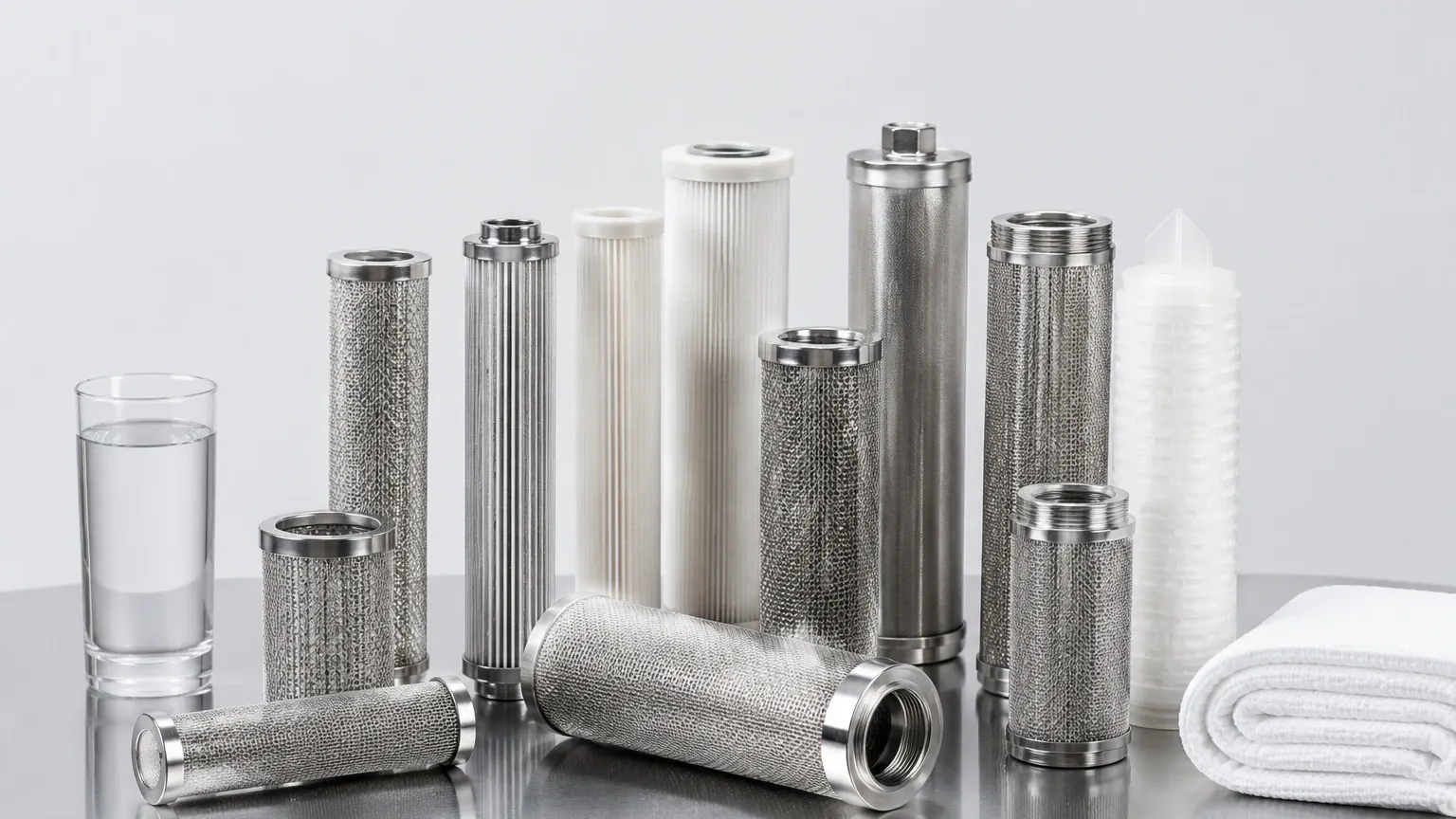
Kaifil specializes in the production of stainless steel filtration components, which are often utilized in the pre-filtration stages of large-scale industrial water systems. Stainless steel (specifically 304 or 316L grades) offers several advantages over synthetic materials:
* Thermal Stability: Stainless steel components can withstand high-temperature sterilization cycles that would deform plastic filters.
* Chemical Inertness: There is zero risk of BPA or phthalate leaching, ensuring the purity of the water remains uncompromised.
* Durability: In high-pressure applications, metal-reinforced Filter Cartridges prevent bypass—a common failure mode where water flows around the filter media rather than through it due to housing deformation.
For the specific needs of filter replacement kangen water, the internal media usually consists of high-grade granulated activated carbon (GAC) or carbon blocks. The quality of this carbon—measured by its iodine number—determines its capacity to adsorb chlorine and chloramines, which are detrimental to the platinum-coated titanium plates used in ionizers.
Indicators for Filter Replacement
Determining the optimal time for filter replacement requires monitoring several variables. Most modern ionizers include an internal flow meter that tracks the total gallons processed, typically recommending a change every 1,500 to 3,000 gallons (6,000 to 12,000 liters), or at least once every twelve months.
However, technical professionals should also look for secondary indicators:
* Sensory Changes: A noticeable change in the taste or odor of the water suggests that the activated carbon has reached its breakthrough point, meaning it can no longer adsorb chlorine.
* Flow Rate Reduction: A significant drop in output flow usually indicates that the mechanical filtration layer is clogged with sediment or scale.
* pH Inconsistency: If the machine fails to reach the desired alkaline or acidic levels despite clean plates, the pre-filter may be allowing minerals or contaminants through that interfere with the electrical conductivity of the water.
The Risks of Delayed Replacement
Neglecting the filter replacement kangen water schedule poses several risks to both the user and the equipment. In a B2B or industrial context, equipment downtime and repair costs are significant factors.
1. Biofilm Accumulation: Over time, the filter media can become a breeding ground for bacteria. While many filters use silver-impregnated carbon to inhibit growth, these antimicrobial agents eventually deplete, leading to biofilm formation that can contaminate the entire system.
2. Electrode Calcification: If the filter fails to manage certain minerals or if the flow rate is compromised, the electrolysis plates are more susceptible to calcium buildup. This scale acts as an insulator, reducing the efficiency of the ionization and eventually requiring expensive deep-cleaning or plate replacement.
3. Chemical Breakthrough: Chlorine is highly corrosive to the platinum and titanium components of the ionizer. Once the carbon block is exhausted, chlorine passes through freely, potentially causing irreversible damage to the heart of the machine.
Industrial Standards Applied to Commercial Filtration
At Kaifil, our experience in providing customized filtration solutions for the chemical and pharmaceutical industries informs our perspective on commercial water treatment. We emphasize that the reliability of any system—whether an industrial hydraulic circuit or a water ionizer—is only as good as its weakest component.
When selecting Filter Cartridges, purchasing teams and engineers should verify certifications such as NSF/ANSI standards, which validate the safety and performance claims of the filtration media. Furthermore, for organizations managing multiple units across different facilities, standardized replacement protocols and the use of high-quality OEM or equivalent cartridges are essential for maintaining operational consistency.
Customization and OEM Capabilities in Filtration
For manufacturers of water treatment equipment, the ability to customize filtration components is a competitive advantage. Customization can involve adjusting the micron rating to suit specific regional water profiles (e.g., high sediment areas vs. high chlorine areas) or designing unique housing interfaces to ensure that only authorized replacement cartridges can be used, thereby protecting the machine's warranty and performance.
Kaifil supports these requirements through advanced manufacturing processes, including precision wire mesh weaving and custom cartridge assembly. By integrating industrial-grade materials into commercial designs, manufacturers can offer products with superior durability and filtration accuracy.
Conclusion: Ensuring Peak Performance
Effective filter replacement kangen water is a fundamental aspect of maintaining the sophisticated balance required for water ionization. By focusing on technical parameters such as micron ratings, material purity, and flow dynamics, users and technicians can ensure that their systems continue to produce high-quality ionized water while protecting the underlying hardware.
For those seeking robust, industrial-strength filtration components, the transition from standard consumer-grade products to engineered solutions offers significant benefits in terms of reliability and performance. Whether you are managing a single unit or an entire fleet of water treatment systems, prioritizing the quality of your Filter Cartridges is the most effective way to optimize your investment and ensure long-term water safety.
