


Imagitarium Filter Cartridges
In the field of aquatic maintenance and small-scale fluid management, the efficiency of a system is largely dictated by the performance of its filtration components. Imagitarium filter cartridges represent a widely utilized solution for mechanical and chemical filtration in residential and light commercial aquatic environments. For engineers and facility managers overseeing aquatic systems, understanding the technical specifications, material limitations, and operational dynamics of these cartridges is essential for maintaining water quality and system longevity.
While these cartridges are often associated with consumer-grade aquarium setups, the underlying engineering principles—particulate retention, adsorption surface area, and flow dynamics—are universal. When evaluating filtration needs, it is critical to distinguish between the convenience of pre-assembled cartridges and the rigorous performance standards required for specialized or industrial-scale applications.
Core Filtration Principles in Aquatic Systems
Filtration is generally categorized into three distinct stages: mechanical, chemical, and biological. Imagitarium filter cartridges are designed primarily to address the first two stages through a composite structure.
Mechanical filtration involves the physical removal of suspended solids from the water column. This is achieved through a porous medium, typically a polyester fiber or similar synthetic fleece, which traps debris as water passes through. The effectiveness of this stage depends on the pore size of the media and the total surface area available for trapping particles. In many standard cartridges, this media acts as a depth filter, where particles are captured throughout the thickness of the material rather than just on the surface.
Chemical filtration in these cartridges is handled by activated carbon. Activated carbon works through the process of adsorption, where dissolved organic compounds, odors, and discolorations are chemically bonded to the surface of the carbon granules. The quality of chemical filtration is determined by the iodine number of the carbon (a measure of its porosity) and the duration of contact time between the water and the carbon bed.
Technical Composition of Imagitarium Filter Cartridges
The architecture of imagitarium filter cartridges typically consists of a rigid plastic frame, a fiber sleeve, and an internal chamber containing activated carbon. From an engineering perspective, each component serves a specific functional role:
1. The Structural Frame: The frame ensures that the cartridge maintains its shape under the pressure of the water flow. A common failure point in low-quality cartridges is frame deformation, which leads to "bypass"—a condition where water flows around the filter media rather than through it.
2. Polyester Fiber Sleeve: This serves as the primary mechanical barrier. The density of the weave determines the micron rating, though consumer-grade products rarely specify an exact micron level. For most aquatic applications, these sleeves are designed to trap particles in the range of 50 to 100 microns.
3. Activated Carbon Media: The carbon used in these cartridges is usually bituminous or coconut-shell based. It is processed to create a high internal surface area, allowing it to remove chlorine, chloramines, and dissolved organic waste that mechanical filtration cannot touch.
Understanding this composition is vital when considering whether to utilize standard replacements or to seek more robust industrial alternatives for specific fluid processing tasks.
Evaluating Filtration Efficiency and Micron Retention
When assessing the performance of Filter Cartridges, technical professionals must look beyond brand names and focus on empirical data. Efficiency is often measured by the percentage of particles of a certain size that the filter can successfully remove in a single pass.
In the context of imagitarium filter cartridges, the mechanical media is designed for high-flow, low-pressure-drop scenarios. This makes them ideal for small pumps, but it also means they may lack the precision required for sterile or high-purity applications. In industrial settings, filtration precision is often measured down to 1 micron or less, whereas consumer cartridges are built for "polishing" water to a visual clarity that is sufficient for biological life but perhaps not for precision manufacturing or chemical processing.
Another factor is the "holding capacity." As the fiber sleeve traps debris, the resistance to flow increases. This is known as differential pressure (ΔP). A well-engineered cartridge will provide a balanced ratio between initial flow rate and the amount of debris it can hold before the ΔP reaches a critical point, requiring a replacement.
Industrial vs. Consumer Grade Filter Cartridges
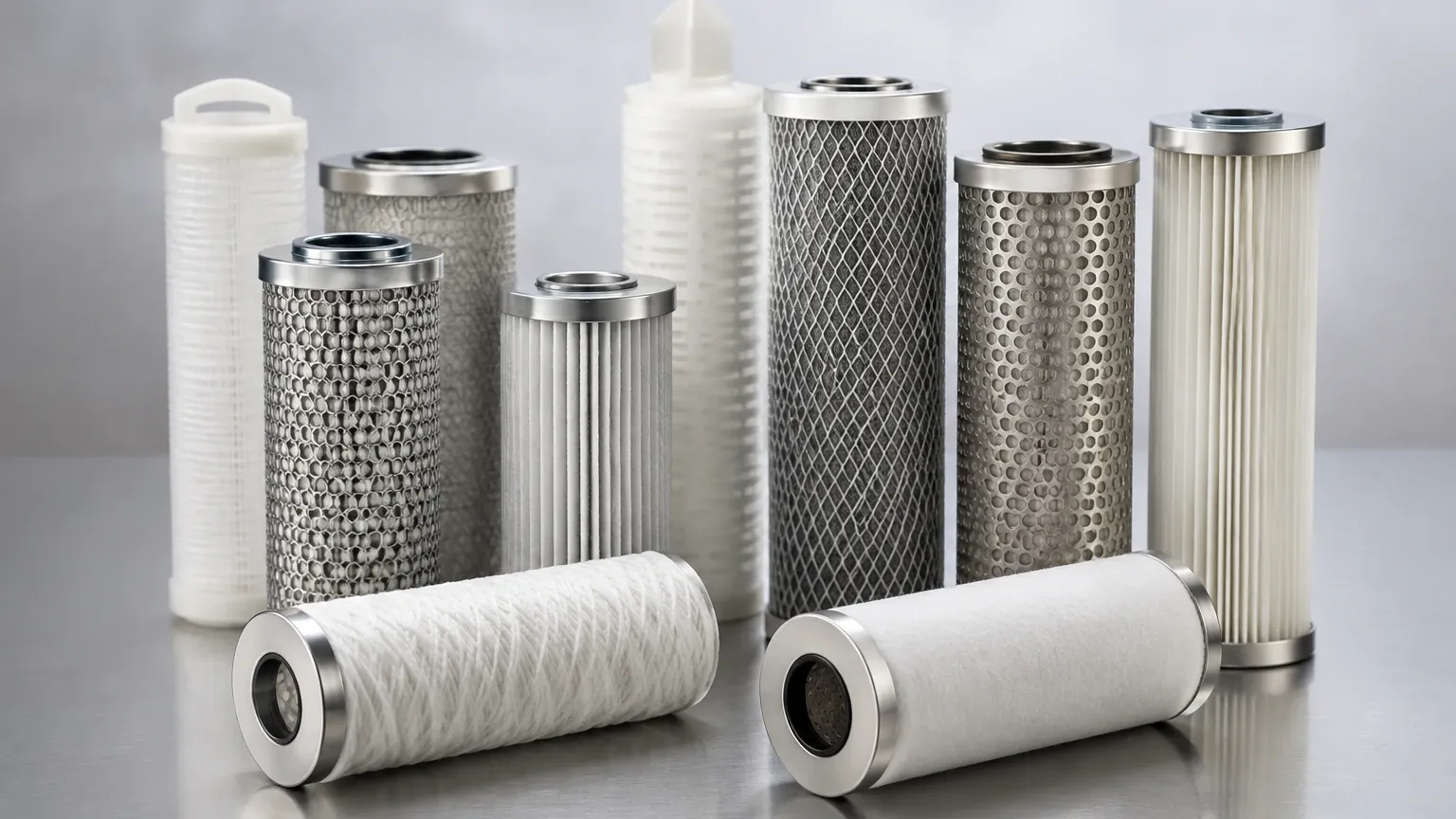
There is a significant divide between consumer-grade solutions like imagitarium filter cartridges and the heavy-duty components manufactured by companies like Kaifil. For instance, while a polyester sleeve is effective for light debris, industrial environments often require stainless steel wire mesh or sintered metal filters.
Stainless steel filter cartridges offer several advantages over disposable plastic-and-fiber units:
* Durability: Metal filters can withstand high temperatures and corrosive chemicals that would degrade polyester and plastic frames.
* Cleanability: Unlike disposable cartridges, stainless steel mesh can be backwashed or ultrasonically cleaned, providing a longer service life and lower total cost of ownership in high-volume applications.
* Precision: Industrial manufacturing allows for exact micron ratings (e.g., 5μm, 10μm, 20μm) with absolute rather than nominal efficiency.
For facilities that require consistent, high-volume filtration, transitioning from disposable cartridges to permanent, high-performance metal filtration systems can significantly reduce waste and operational downtime.
Operational Challenges: Bypass, Clogging, and Saturation
Regardless of the brand, all filter cartridges face three primary operational challenges: bypass, clogging, and media saturation.
Bypass occurs when the seal between the cartridge and the filter housing is imperfect. If the cartridge does not fit snugly, water will take the path of least resistance, effectively rendering the filtration media useless. In professional aquatic systems, ensuring a tight gasket seal is as important as the media itself.
Clogging is the natural result of successful mechanical filtration. However, if a cartridge clogs too quickly, it may indicate that the micron rating is too fine for the particulate load of the system. In such cases, a multi-stage approach—using a coarse pre-filter before the main cartridge—is recommended to extend the life of the secondary filter.
Saturation specifically refers to the chemical filtration component. Activated carbon has a finite number of bonding sites. Once these sites are filled, the carbon can no longer remove toxins. In some cases, saturated carbon can even begin to leach captured impurities back into the water if the chemical equilibrium shifts. Monitoring the replacement cycle is the only reliable way to prevent saturation-related water quality issues.
Procurement and Selection Criteria for High-Performance Systems
When purchasing or specifying replacement cartridges for aquatic or industrial systems, procurement teams should confirm several technical parameters to ensure compatibility and performance:
* Dimensions: Exact length and diameter are critical. Even a 2mm discrepancy can lead to bypass or physical inability to seat the cartridge in the housing.
* Flow Rate Compatibility: The cartridge must be rated for the gallons per hour (GPH) or liters per minute (LPM) produced by the system's pump. Restricting flow too much can lead to pump cavitation and premature motor failure.
* Chemical Compatibility: Ensure that the frame and media materials are compatible with the fluid being filtered. While imagitarium filter cartridges are designed for water, they may not be suitable for fluids with extreme pH levels or solvent content.
* Target Contaminants: Determine if the primary goal is the removal of large debris, fine particulates, or dissolved chemicals. This determines whether a high-density fiber, a carbon-heavy cartridge, or a specialized metal mesh is required.
Maintenance Protocols and Replacement Cycles
The standard recommendation for replacing imagitarium filter cartridges is typically every 2 to 4 weeks. However, from an engineering standpoint, replacement should be based on observed performance metrics rather than a fixed calendar date.
In systems equipped with pressure gauges, a rise in differential pressure is the most accurate indicator that mechanical media is exhausted. In systems without gauges, a visible reduction in the return flow rate serves as a secondary indicator. For the chemical filtration component, water testing for phenols or chlorine can reveal when the activated carbon has reached its saturation point.
For industrial users, the goal is often to maximize the interval between maintenance cycles. This is where the choice of materials becomes paramount. While disposable cartridges offer low upfront costs, the labor and replacement costs over a fiscal year often exceed the investment required for a permanent, high-quality stainless steel filtration solution.
Conclusion
Imagitarium filter cartridges serve a vital role in maintaining the clarity and health of small-scale aquatic environments. By combining mechanical and chemical filtration into a single, easy-to-replace unit, they provide a convenient solution for standard applications. However, for technical professionals, engineers, and purchasing managers, it is important to recognize the limitations of these consumer-grade components.
When the application demands higher precision, greater durability, or the ability to withstand harsh operating conditions, moving toward professional-grade Filter Cartridges is a necessary step. By understanding the materials, flow dynamics, and failure modes associated with filtration, decision-makers can ensure they select the most efficient and cost-effective solution for their specific technical requirements. Whether utilizing disposable fiber cartridges or investing in advanced stainless steel filtration components, the priority remains the same: consistent, reliable performance that protects the integrity of the entire fluid system.
