


Ispring Filter Cartridges
In the landscape of water treatment and fluid purification, selecting the appropriate filtration media is a critical decision for both residential maintenance and industrial process engineering. Ispring filter cartridges have established a significant presence in the market, particularly within the residential and light commercial sectors. These components are frequently utilized in multi-stage reverse osmosis (RO) systems and whole-house filtration setups to address common water quality issues such as sediment, chlorine taste, and odor. However, for engineers and procurement professionals operating in heavy industrial environments—such as chemical processing, pharmaceutical manufacturing, or high-temperature steam applications—the requirements for filtration often exceed the capabilities of standard polymer-based or carbon-block cartridges.
Understanding the technical specifications, material limitations, and performance boundaries of ispring filter cartridges is essential for determining whether they meet the specific needs of a project or if a more robust industrial solution is required. This guide examines the engineering considerations behind these cartridges, explores the transition from standard water treatment to specialized industrial filtration, and provides technical insights into selecting the right Filter Cartridges for demanding applications.
Understanding the Role of Standard Filter Cartridges in Water Treatment
Standard filtration systems, including those that utilize ispring filter cartridges, are typically designed for "point-of-use" or "point-of-entry" water purification. These systems rely on a variety of media types to achieve specific water quality goals. The most common configurations include:
1. Sediment Filtration: Often the first stage in a system, these cartridges are typically made of melt-blown polypropylene. They are designed to trap suspended solids like rust, sand, and silt. In an industrial context, these are considered "depth filters," where the entire thickness of the media participates in particle retention.
2. Carbon Block (CTO) and Granular Activated Carbon (GAC): These are used primarily for chemical adsorption. They are effective at removing chlorine, volatile organic compounds (VOCs), and improving the organoleptic properties (taste and smell) of water.
3. Reverse Osmosis Membranes: While not a "cartridge" in the traditional sense, they are often housed in similar cylindrical formats to remove dissolved solids and heavy metals.
While these solutions are highly effective for municipal water treatment and light commercial beverage service, they are generally limited by their material composition. Polypropylene and carbon-based media have specific thermal and chemical thresholds that, if exceeded, can lead to structural failure or media migration into the downstream flow.
Technical Specifications and Limitations of Polymer-Based Cartridges
When evaluating ispring filter cartridges for a specific application, engineers must look beyond the basic micron rating. Several technical factors determine the suitability of a filter element for a given environment:
Temperature Constraints
Most standard polymer-based cartridges are rated for temperatures up to approximately 100°F to 125°F (38°C to 52°C). In many industrial processes, such as CIP (Clean-in-Place) cycles in food production or steam filtration in pharmaceutical plants, temperatures regularly exceed 200°F. At these elevated temperatures, polypropylene loses structural integrity, leading to "unloading" (where trapped particles are released) or complete collapse of the cartridge.
Chemical Compatibility
Ispring filter cartridges are optimized for water. When introduced to aggressive solvents, oils, or high-pH/low-pH chemicals, the plastic housings and the media itself may degrade. For example, in the chemical processing industry, the presence of hydrocarbons or strong acids requires materials like 304 or 316L stainless steel, which offer superior corrosion resistance compared to standard plastics.
Pressure and Flow Rates
Standard cartridges are designed for typical municipal water pressures (40–80 PSI). In industrial hydraulic systems or high-pressure process lines, the differential pressure (ΔP) across a filter can spike significantly as the filter loads. If the cartridge does not have a rigid internal core—typically made of stainless steel in industrial versions—the media can deform, bypassing the filtration seal and allowing contaminants to pass through.
Industrial Alternatives: When to Upgrade to Stainless Steel Filter Cartridges
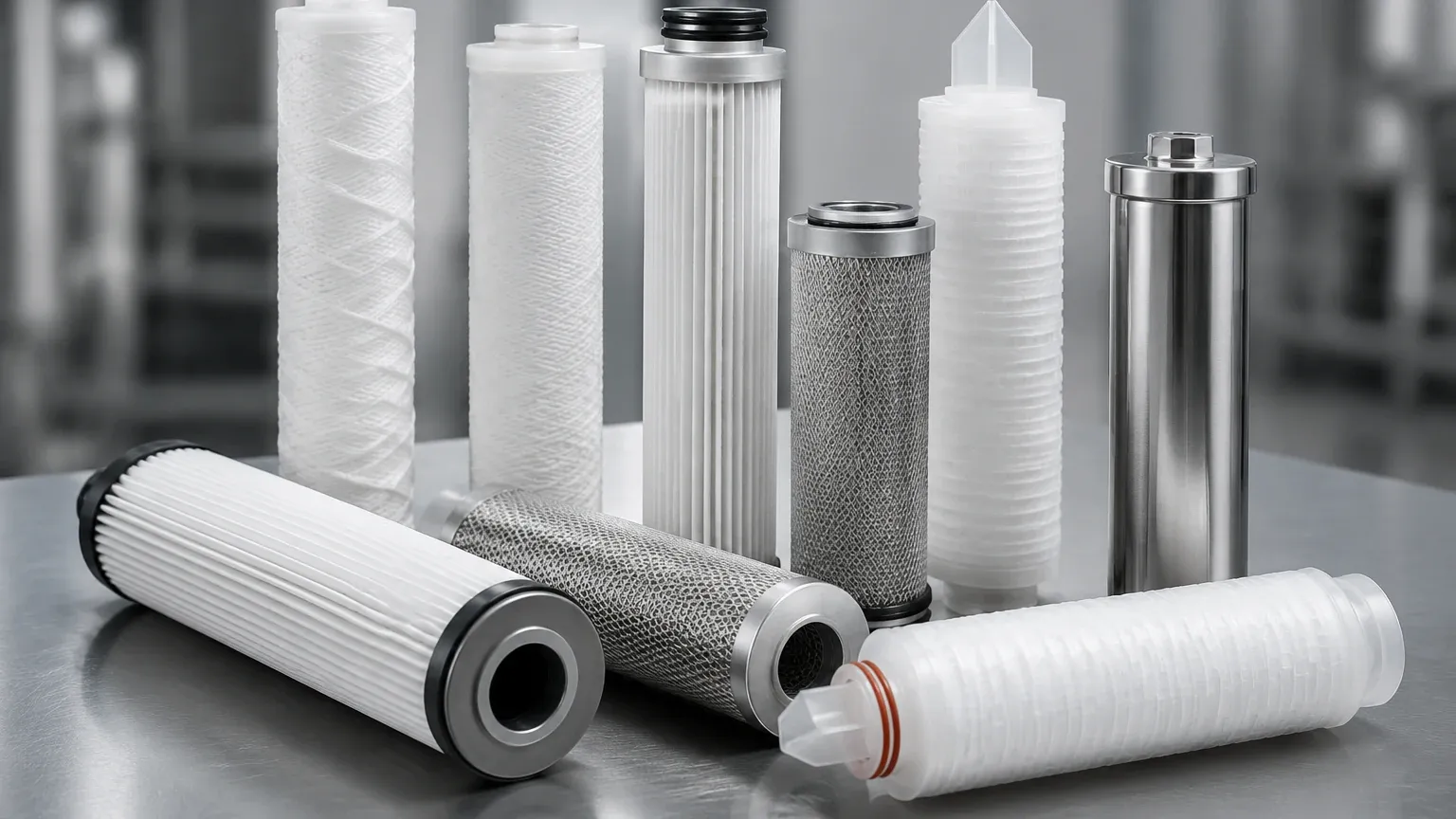
For applications that fall outside the operational envelope of standard ispring filter cartridges, industrial-grade stainless steel Filter Cartridges provide a necessary upgrade. These components are engineered for durability, reusability, and precision.
The Advantage of Stainless Steel Wire Mesh
Unlike disposable melt-blown filters, stainless steel cartridges often utilize precision-woven wire mesh or sintered metal fibers. This allows for "surface filtration," where particles are captured on a single plane. The primary advantages include:
* Cleanability: Stainless steel elements can be backwashed or ultrasonically cleaned, significantly extending their service life compared to disposable cartridges.
* Fixed Pore Size: Woven mesh provides a consistent pore size that does not change under pressure, ensuring reliable filtration accuracy (from 1 micron up to several hundred microns).
* Mechanical Strength: These cartridges can withstand high differential pressures without the risk of collapse or media migration.
Sintered Metal Media
For even more demanding applications, sintered metal filter cartridges offer the highest level of structural integrity. By bonding multiple layers of wire mesh or metal powder through a high-temperature sintering process, manufacturers create a porous metal structure that is nearly indestructible under normal operating conditions. This is the preferred choice for high-pressure gas filtration and polymer melt filtration.
Engineering Considerations for High-Performance Filtration Systems
When transitioning from a standard setup to a custom industrial filtration solution, several engineering parameters must be confirmed to ensure optimal performance and system longevity.
Micron Rating: Absolute vs. Nominal
In the world of ispring filter cartridges and similar products, ratings are often "nominal," meaning the filter will catch a certain percentage of particles at that size. In critical industrial applications—such as protecting a high-pressure pump or ensuring pharmaceutical purity—an "absolute" rating is required. An absolute rating signifies that 99.9% (or higher) of particles at the specified micron size will be retained.
Viscosity and Flow Velocity
Water has a low viscosity, making it easy to filter through dense media. However, in industries dealing with oils, resins, or syrups, the flow velocity must be carefully managed to prevent excessive pressure drop. Industrial filter housings and cartridges are often custom-sized to provide a larger surface area (through pleating) to maintain flow while achieving fine filtration.
Gasket and Seal Selection
The seal is often the weakest point in a filtration system. While standard cartridges use EPDM or Buna-N O-rings, industrial environments may require Viton (FKM), PTFE, or silicone to withstand chemical exposure or extreme temperatures. Ensuring that the cartridge end-caps are compatible with the housing's sealing surface is vital for preventing bypass.
Total Cost of Ownership and Maintenance Cycles
A common mistake in procurement is focusing solely on the initial purchase price of the cartridge. While disposable ispring filter cartridges have a lower upfront cost, the Total Cost of Ownership (TCO) in an industrial setting can be much higher due to several factors:
1. Replacement Frequency: In high-sediment environments, disposable filters may need to be changed weekly or even daily, leading to high consumable costs and labor expenses.
2. Downtime: Every filter change requires a system shutdown. In a 24/7 manufacturing facility, the cost of downtime often far exceeds the cost of the filter itself.
3. Disposal Costs: Spent polymer filters contribute to waste streams and may require specialized disposal if they have captured hazardous materials.
In contrast, a permanent stainless steel filter cartridge represents a higher initial investment but offers a lower TCO over its lifespan. Because these elements can be cleaned and returned to service, the ongoing consumable cost is eliminated, and the robust construction reduces the risk of catastrophic system failure.
Customization and OEM Solutions for Industrial Filtration
One of the primary distinctions between retail-grade ispring filter cartridges and industrial components is the ability to customize. Standard cartridges come in fixed lengths (typically 10" or 20") and diameters. Industrial manufacturers like Kaifil specialize in tailoring Filter Cartridges to fit existing legacy housings or unique machinery footprints.
Customization options include:
* End-Cap Configurations: DOE (Double Open End), SOE (Single Open End) with 222 or 226 O-rings, NPT threaded connections, or flange mounts.
* Pleated vs. Cylindrical: Pleating the metal mesh increases the effective surface area by 2 to 3 times, allowing for higher flow rates or longer intervals between cleanings.
* Reinforcement: Adding internal support cores or external shrouds to protect the filter media in high-turbulence environments.
For OEM (Original Equipment Manufacturer) applications, having a partner that can produce filtration components to exact engineering drawings is essential for maintaining the performance standards of the overall equipment.
Conclusion: Selecting the Right Path
Ispring filter cartridges serve an important role in providing clean, safe water for homes and small businesses. Their design is optimized for ease of use and affordability in low-stress environments. However, when the application involves high temperatures, aggressive chemicals, or the need for absolute reliability in a production line, the shift toward industrial-grade metal filtration is necessary.
Engineers must evaluate their specific process conditions—including temperature, pressure, chemical compatibility, and desired maintenance intervals—before selecting a filtration solution. By understanding the technical boundaries of standard cartridges and the capabilities of custom-engineered stainless steel elements, purchasing teams can make informed decisions that optimize both performance and long-term cost-efficiency. Whether you are replacing a standard water filter or designing a complex industrial process, the priority should always be the integrity of the filtration barrier and the protection of downstream assets.
