


Under Sink Water Filter Cartridges Bunnings
In the realm of point-of-use (POU) water treatment, under-sink filtration systems represent a critical line of defense for both residential and commercial water quality. While many facility managers and maintenance engineers may initially look toward retail options like under sink water filter cartridges Bunnings provides for quick replacements, industrial-grade applications often require a deeper technical evaluation of filtration media, housing compatibility, and long-term durability. For professional environments—ranging from commercial kitchens and laboratories to light industrial workshops—understanding the engineering differences between standard retail cartridges and high-performance stainless steel components is essential for optimizing system uptime and filtration efficiency.
Selecting the right Filter Cartridges involves more than simply matching a physical dimension. It requires an analysis of the fluid’s particulate load, the desired micron rating, and the chemical environment in which the filter will operate. This guide examines the technical landscape of under-sink filtration, comparing common retail-grade solutions with the precision-engineered metal filtration components used in demanding professional sectors.
The Role of Filter Cartridges in Under-Sink Systems
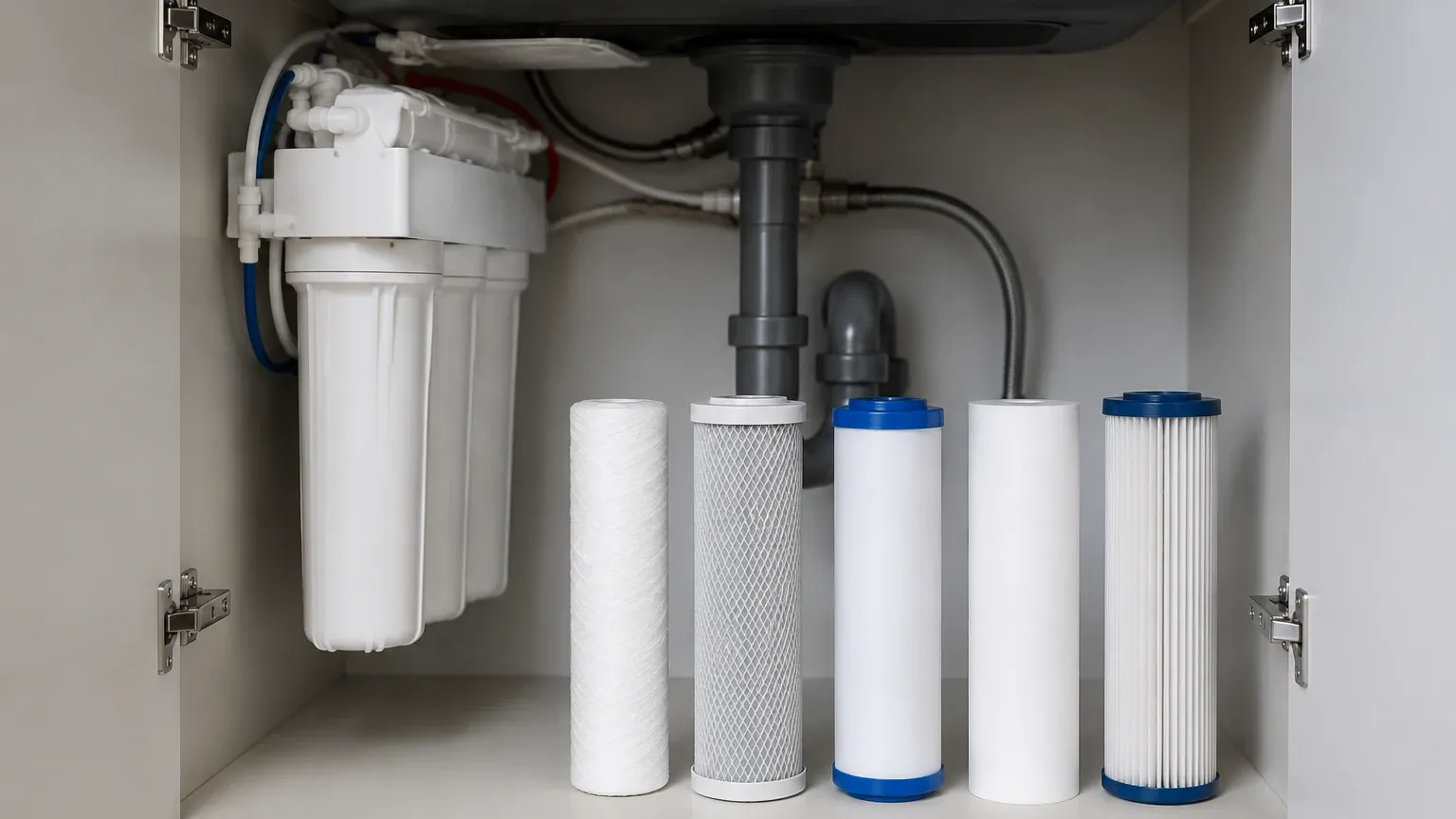
Under-sink filtration systems are designed to remove specific contaminants from a water stream immediately before it reaches the tap or equipment. The cartridge is the functional heart of these systems. In a standard multi-stage setup, the process typically begins with sediment filtration, followed by chemical adsorption or mechanical straining.
In professional settings, the "under-sink" designation often extends to specialized equipment such as commercial espresso machines, laboratory water purifiers, and medical sterilization units. In these cases, the standard polypropylene or carbon block cartridges found in retail outlets may lack the structural integrity or chemical resistance required. Industrial-grade filter cartridges, often constructed from stainless steel wire mesh or sintered metal, provide a robust alternative that can withstand higher pressures and temperatures while maintaining precise filtration accuracy.
Analyzing Under Sink Water Filter Cartridges Bunnings: Retail vs. Industrial Performance
When sourcing under sink water filter cartridges Bunnings and similar retail hardware stores offer a range of consumer-focused brands. These products are generally designed for ease of installation and low upfront cost. However, from an engineering perspective, there are several distinctions to consider when moving from a domestic application to a B2B or industrial environment.
Material Composition
Retail cartridges are predominantly made from plastic housings with carbon or melt-blown fiber interiors. While effective for basic chlorine and sediment removal, they are disposable and contribute to a significant waste stream. In contrast, industrial stainless steel filter cartridges are often designed for longevity. They utilize 304 or 316L stainless steel, which offers superior corrosion resistance and the ability to be cleaned and reused, reducing the total cost of ownership in high-volume applications.
Pressure and Temperature Limits
Standard retail cartridges often have strict operating temperature limits (usually below 40°C) and pressure ratings designed for domestic plumbing. Industrial processes that involve hot water loops or high-pressure pumps require metal filtration media that can operate at temperatures exceeding 200°C and handle significant differential pressures without collapsing or bypassing.
Filtration Precision
While retail filters often use nominal micron ratings, industrial applications frequently demand absolute ratings. A nominal rating suggests that the filter will catch a percentage of particles at that size, whereas an absolute rating provides a guaranteed retention efficiency. For critical processes, such as protecting sensitive laboratory sensors or high-end industrial nozzles, the precision of a stainless steel wire mesh cartridge is often necessary to ensure consistent water quality.
Engineering Advantages of Stainless Steel Filter Cartridges
For engineers and procurement teams, the shift toward stainless steel filtration components is often driven by the need for reliability and specific performance characteristics that polymer-based filters cannot match.
Mechanical Strength and Durability
Stainless steel filter cartridges are inherently resistant to hydraulic shock and pressure surges. In many commercial buildings, water hammer or sudden changes in line pressure can crack plastic cartridge housings or cause bypass in soft media filters. Metal mesh filters maintain their structural integrity under these stresses, ensuring that no unfiltered water reaches the downstream equipment.
Chemical Compatibility
In environments where the water may contain aggressive cleaning agents, high salinity, or varying pH levels, 316L stainless steel provides an essential layer of protection. Unlike some synthetic fibers that may degrade or leach chemicals into the water stream when exposed to certain solvents, stainless steel is inert and stable across a wide range of chemical profiles.
Sustainability and Cleanability
One of the most significant advantages of industrial-grade metal cartridges is their ability to be backwashed or ultrasonically cleaned. While under sink water filter cartridges Bunnings stocks are typically single-use items that must be discarded once clogged, a stainless steel cartridge can be restored to its original flow characteristics multiple times. This not only reduces the environmental impact but also simplifies inventory management for large facilities.
Critical Selection Criteria for Commercial Filtration
When specifying filter cartridges for an under-sink or point-of-use system, technical professionals must evaluate several key parameters to ensure the chosen component meets the application's demands.
1. Micron Rating: Determine whether the application requires sediment removal (20–50 microns) or fine particulate filtration (1–10 microns). For specialized industrial water, sub-micron filtration may be necessary, often requiring a multi-stage approach.
2. Flow Rate and Pressure Drop: Every filter introduces a pressure drop (delta P). In under-sink systems, maintaining adequate flow at the tap is crucial. Stainless steel mesh filters typically offer higher porosity and lower initial pressure drop compared to dense carbon blocks, allowing for higher flow rates in a compact footprint.
3. End-Cap Configurations: To ensure a proper seal within the housing, the cartridge must have the correct end-cap style (e.g., Double Open End, Code 7, or threaded connections). Industrial manufacturers like Kaifil provide customized end-cap options to fit a variety of existing housing standards.
4. Seal Material: The O-rings or gaskets (EPDM, Viton, Silicone) must be compatible with both the fluid and the operating temperature to prevent leaks and bypass.
Maintenance and Longevity in Demanding Environments
The lifecycle of a filter cartridge is determined by the total suspended solids (TSS) in the influent water and the allowable pressure drop across the media. In a commercial setting, a neglected filter can lead to equipment failure or a complete loss of water flow.
Monitoring differential pressure is the most effective way to determine when a cartridge requires attention. While retail-grade filters are simply replaced when flow slows down, industrial systems often incorporate gauges to provide a data-driven maintenance schedule. For stainless steel cartridges, the maintenance cycle involves removing the element, performing a cleaning procedure (such as chemical soaking or back-flushing), and inspecting the mesh for any signs of physical damage before re-installation.
In high-demand environments, such as a restaurant with high water usage or a manufacturing plant using POU filtration for cooling water, the durability of metal cartridges significantly extends the time between required interventions compared to standard retail products. This reliability is a key factor in the selection process for professional buyers who cannot afford the downtime associated with frequent filter failures.
Custom OEM Solutions for Specialized Under-Sink Applications
Many industrial and commercial applications require filtration solutions that do not fit standard retail dimensions. Whether it is a unique housing size for a proprietary piece of equipment or a specific mesh weave for a unique particulate type, custom manufacturing is often required.
Professional manufacturers like Kaifil specialize in developing OEM filtration components that bridge the gap between standard off-the-shelf products and specialized industrial needs. By working directly with a manufacturer, engineering teams can specify the exact material grade, dimensions, and filtration efficiency required for their specific under-sink application. This level of customization ensures that the filtration system is perfectly matched to the equipment it protects, providing a level of performance that standard under sink water filter cartridges Bunnings offers simply cannot provide.
Conclusion: Making an Informed Purchasing Decision
While retail outlets serve as a convenient source for standard domestic water filters, the requirements of the B2B and industrial sectors demand a more rigorous approach to filtration selection. When evaluating options for under-sink water treatment, professionals must weigh the convenience of retail sourcing against the technical advantages of industrial-grade components.
Stainless steel filter cartridges offer a high-performance alternative for those who require durability, chemical resistance, and the ability to clean and reuse filtration media. By focusing on technical specifications such as absolute micron ratings, material compatibility, and structural integrity, facility managers and engineers can ensure their water systems operate at peak efficiency with minimal maintenance-related disruptions. For those seeking reliable, long-term filtration performance, investing in precision-engineered metal cartridges is a strategic choice that supports both operational goals and sustainability initiatives.
Download Under Sink Water Filter Cartridges Bunnings as a PDF
