


Vesda Filter Cartridges
In the realm of industrial safety and facility management, aspirating smoke detection (ASD) systems represent the pinnacle of early warning fire protection. At the heart of these sophisticated systems lies a critical, yet often overlooked component: the filter. Specifically, vesda filter cartridges are engineered to protect the sensitive laser-based detection chambers from dust, lint, and other airborne contaminants that could otherwise trigger false alarms or cause premature sensor failure.
For engineers and procurement professionals operating in high-stakes environments—such as data centers, chemical processing plants, and pharmaceutical cleanrooms—understanding the technical nuances of these cartridges is essential. This guide examines the engineering principles, selection criteria, and maintenance requirements for high-performance filtration components within ASD systems.
The Role of Filtration in Aspirating Smoke Detection
Aspirating smoke detection works by actively drawing air from the protected environment through a network of pipes to a central detector. Unlike passive point detectors, ASD systems can identify smoke at extremely low concentrations. However, this sensitivity makes them vulnerable to non-smoke particulates.
Vesda filter cartridges serve a dual purpose. First, they remove large dust particles that could obscure the laser optics or settle on the internal components of the detector. Second, they ensure that the air entering the sensing chamber is representative of the environment while filtering out the "noise" of common industrial dust.
Without effective Filter Cartridges, the cost of ownership for an ASD system rises sharply. Contaminated sensors require professional cleaning or replacement, and the downtime associated with false alarms can disrupt critical industrial processes. Therefore, selecting the correct filtration media is not merely a maintenance task but a strategic decision for system reliability.
Technical Specifications and Engineering Considerations
When evaluating vesda filter cartridges or similar industrial filtration components, several technical parameters must be analyzed to ensure they meet the specific demands of the application.
1. Micron Rating and Capture Efficiency
Industrial filters are defined by their ability to trap particles of a specific size. For ASD systems, the filter must be fine enough to stop dust but porous enough to allow smoke particles (which are typically sub-micron) to pass through to the sensor. A typical high-quality cartridge utilizes a multi-stage filtration process, often incorporating a coarse outer layer and a finer inner core.
2. Pressure Drop (Delta P)
The resistance to airflow, known as pressure drop, is a critical engineering metric. If a filter is too restrictive, the aspirator (the fan that pulls the air) must work harder, leading to increased energy consumption and potential mechanical wear. Engineers must ensure that the replacement cartridges maintain the original design’s pressure profile to avoid system faults.
3. Material Compatibility
In standard commercial buildings, plastic-housed filters are sufficient. However, in industrial settings—such as chemical processing or high-temperature environments—the material of the filter housing and the media itself must be chemically inert and thermally stable. This is where custom stainless steel or specialized alloy components often become necessary to ensure the integrity of the filtration system.
Industrial Challenges: Why Environment Matters
The performance of vesda filter cartridges is heavily influenced by the environment in which they operate. A one-size-fits-all approach to filtration often fails in specialized industrial sectors.
* Chemical Processing: Corrosive vapors can degrade standard filter media. In these instances, engineers often look for filtration solutions that utilize stainless steel mesh or specialized coatings to resist chemical attack.
* Food and Beverage Production: High humidity and the presence of organic dust (like flour or sugar) can cause standard paper-based filters to clog rapidly or even support microbial growth. Filtration components in these areas must be moisture-resistant.
* Cold Storage and Warehousing: Extreme temperature fluctuations can cause condensation within the sampling pipes. The filter must be able to handle occasional moisture without losing structural integrity or significantly increasing airflow resistance.
Evaluating OEM vs. High-Quality Custom Alternatives
Procurement teams often face the choice between Original Equipment Manufacturer (OEM) parts and aftermarket alternatives. While OEM parts offer guaranteed compatibility, high-quality custom filtration solutions can sometimes provide superior performance in niche industrial applications.
When considering non-OEM Filter Cartridges, it is vital to confirm the following:
* Dimensional Accuracy: The cartridge must fit the detector housing perfectly to prevent air bypass. Even a millimeter of misalignment can allow unfiltered air into the sensing chamber.
* Media Consistency: The filtration media should be uniform. Variations in density can lead to inconsistent airflow and unreliable detection sensitivity.
* Certification and Testing: Ensure that any alternative components have undergone rigorous testing to match or exceed the performance benchmarks set by the system manufacturer.
Maintenance Cycles and Total Cost of Ownership
The lifespan of vesda filter cartridges is not fixed; it is a function of the particulate load in the environment. In a cleanroom, a cartridge might last two years, whereas, in a woodworking facility, it might need replacement every few months.
Signs of Filter Saturation
Modern ASD systems typically include internal monitoring that alerts operators when the filter is becoming restricted. However, manual inspections are recommended. Signs of a failing or saturated filter include:
* Increased aspirator speed to maintain flow rates.
* Frequent "Low Flow" or "High Flow" trouble signals.
* Visible accumulation of dust on the filter’s intake surface.
The Risk of Neglect
Postponing filter replacement is a common but risky practice. A saturated filter can lead to "detector masking," where the system becomes less sensitive to actual fire threats. Furthermore, if the filter fails and allows dust into the laser chamber, the cost of repairing the detector can be ten times the cost of a standard filter replacement.
Custom Filtration Solutions for Demanding Applications
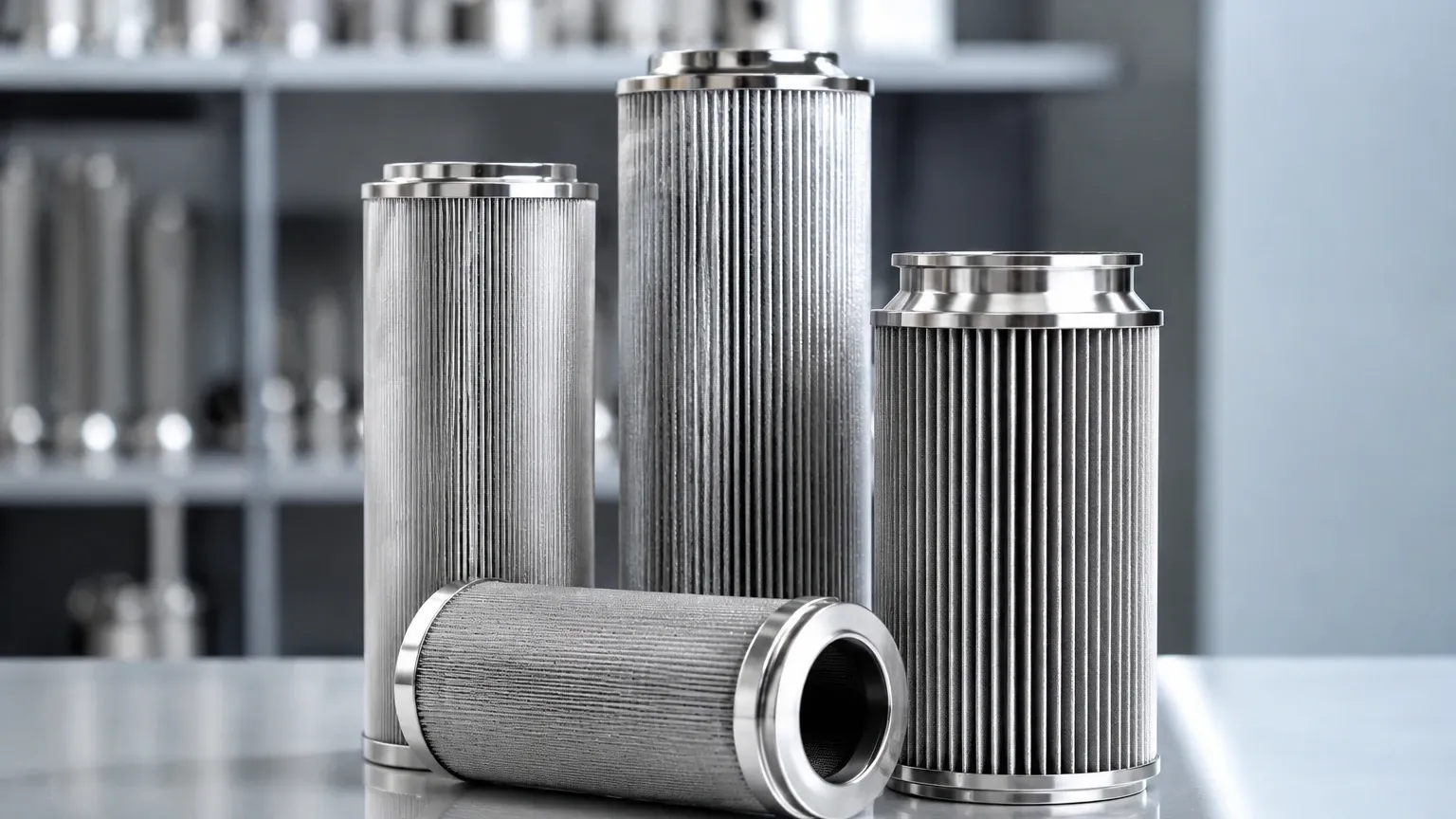
While standard vesda filter cartridges meet the needs of most commercial applications, certain industrial environments require a more robust approach. At Kaifil, we specialize in manufacturing precision metal filtration components that address the shortcomings of standard media in harsh conditions.
For facilities where standard cartridges fail due to heat, pressure, or chemical exposure, custom-engineered stainless steel wire mesh filters provide a durable alternative. These components offer:
* Enhanced Durability: Resistant to physical impact and high-pressure cleaning cycles.
* Thermal Stability: Capable of maintaining filtration accuracy in environments exceeding the melting points of standard plastics.
* Precision Engineering: Custom micron ratings tailored to the specific particulate profile of your facility.
By integrating advanced manufacturing techniques with a deep understanding of industrial fluid and air dynamics, Kaifil supports engineers in optimizing their filtration performance across various sectors, including hydraulic systems, water treatment, and specialized air sampling.
Conclusion: Selection Checklist for Engineers
Before purchasing replacement vesda filter cartridges or investing in a new filtration strategy for your ASD system, confirm the following details with your supplier:
1. Application Specifics: Is the environment high-dust, high-humidity, or chemically corrosive?
2. Compatibility: Does the cartridge meet the exact airflow and pressure drop specifications of the detector model?
3. Service Life Expectations: Based on the particulate load, what is the projected replacement interval, and how does this affect the annual maintenance budget?
4. Material Integrity: Is the housing and media material suitable for the operating temperature and chemical exposure of the site?
Choosing the right Filter Cartridges is a fundamental aspect of maintaining a reliable early warning fire detection system. By focusing on technical specifications and environmental compatibility, facility managers can ensure long-term protection for their assets and personnel. For those requiring specialized or high-durability filtration components, partnering with a manufacturer that understands the complexities of industrial filtration is the most effective path toward optimized system performance.
