


Vitamin C Filter Cartridges
In industrial water treatment and chemical processing, the removal of chlorine and chloramines is a critical requirement for protecting sensitive equipment and ensuring product purity. While activated carbon has long been the standard for dechlorination, the emergence of vitamin c filter cartridges has provided a specialized alternative for applications where carbon fines, bacterial growth, or slow reaction kinetics are a concern. For engineers and facility managers, understanding the technical nuances of ascorbic acid-based filtration is essential for optimizing process water quality.
Industrial vitamin c filter cartridges utilize pharmaceutical-grade ascorbic acid or sodium ascorbate to chemically neutralize chlorine. Unlike physical adsorption, this is a rapid chemical reduction-oxidation (redox) reaction. This guide explores the engineering principles, application advantages, and selection criteria for these specialized filtration components within a B2B context.
The Chemistry of Ascorbic Acid Dechlorination
The primary function of vitamin c filter cartridges in an industrial setting is the instantaneous reduction of free chlorine and chloramines. The chemical reaction involves the oxidation of ascorbic acid into dehydroascorbic acid, which simultaneously reduces chlorine into harmless chloride ions.
From a technical perspective, this reaction is significantly faster than the adsorption process used by activated carbon. In high-flow industrial systems, this allows for a smaller footprint because the required contact time is minimal. Furthermore, vitamin c is highly effective at neutralizing chloramines—a combination of chlorine and ammonia—which are notoriously difficult to remove with standard carbon blocks. For industries such as pharmaceuticals or semiconductor manufacturing, where even trace amounts of oxidants can degrade reverse osmosis (RO) membranes or contaminate sensitive batches, the precision of ascorbic acid chemistry is a major advantage.
Structural Engineering of Industrial Filter Cartridges
To ensure the reliability of vitamin c filter cartridges in demanding environments, the physical construction of the cartridge must meet rigorous standards. While the active media is chemical in nature, the delivery system relies on precision engineering.
Media Containment and Support
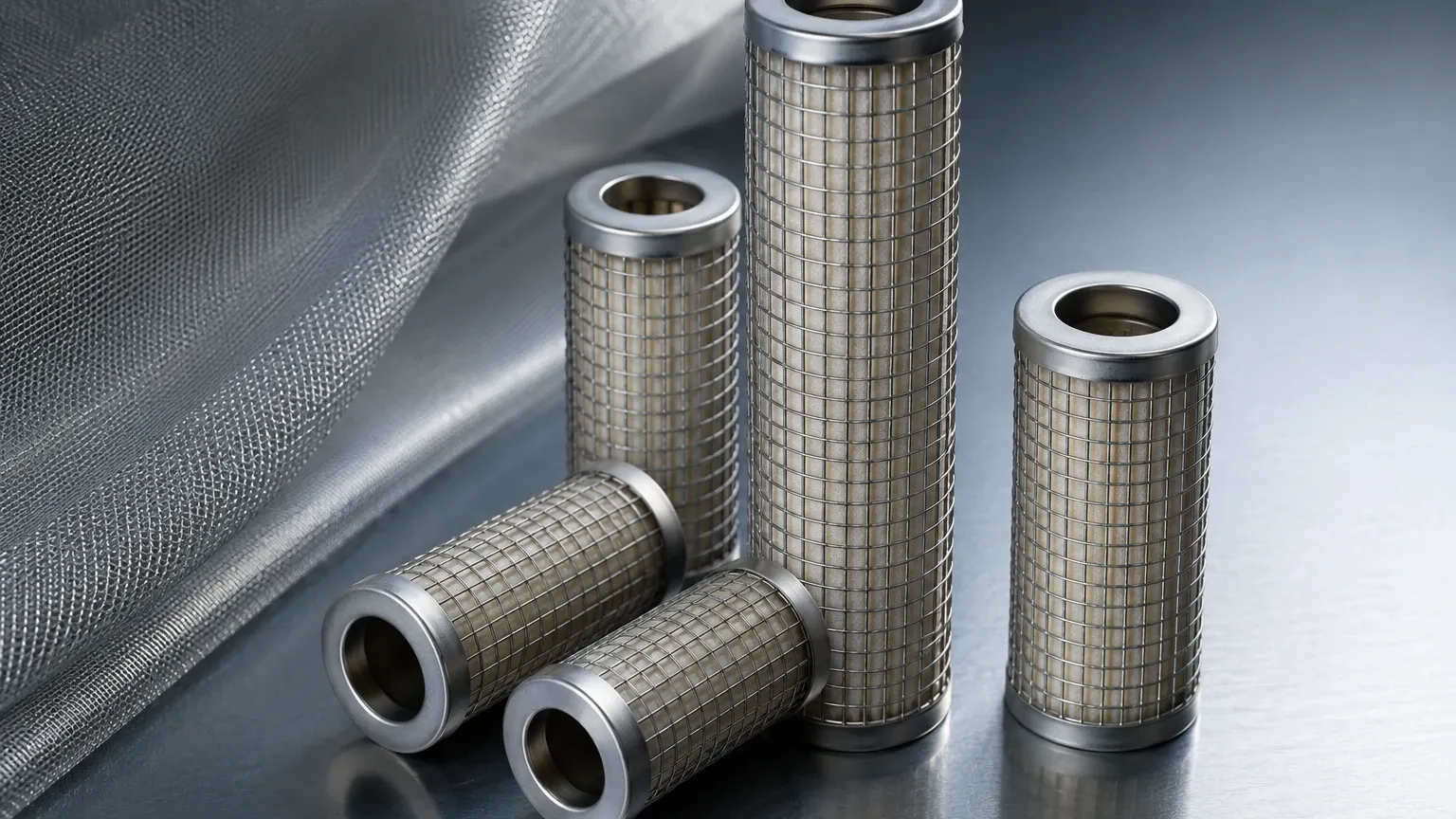
Industrial-grade cartridges often feature a multi-layered design. The core typically consists of a high-strength polypropylene or stainless steel center tube to prevent collapse under high differential pressure. Surrounding this core is the vitamin c media, which may be in granular form or impregnated into a specialized fiber matrix.
Filtration Efficiency and Micron Ratings
Because these cartridges are often used as a final treatment step or a protection stage for RO membranes, they must also provide physical filtration. Incorporating high-quality Filter Cartridges with specific micron ratings ensures that any undissolved media or incoming particulates are captured before they reach downstream equipment. Stainless steel wire mesh or pleated synthetic media are frequently used as the outer wrap to provide pre-filtration, extending the life of the internal chemical media.
Key Applications in Sensitive Industrial Processes
Vitamin c filter cartridges are not universal replacements for all dechlorination needs; rather, they are precision tools for specific high-stakes environments.
Pharmaceutical and Biotech Manufacturing
In the production of parenteral drugs or biological reagents, water purity is paramount. Activated carbon filters can sometimes harbor bacteria or release carbon fines into the effluent. Ascorbic acid filtration avoids these risks. Since vitamin c is a food-grade substance, its use aligns with stringent safety protocols, and the absence of particulates simplifies the validation of high-purity water systems.
Food and Beverage Processing
In the beverage industry, chlorine can negatively impact the flavor profile of the final product. However, carbon filters can become a breeding ground for microorganisms if not maintained perfectly. Vitamin c filter cartridges offer a "cleaner" alternative for dechlorination, as the media does not support bacterial growth in the same way that porous carbon does. This reduces the frequency of intensive sanitization cycles for the filtration housing.
Medical and Dialysis Water Treatment
Medical facilities require absolute dechlorination to protect patients. The rapid reaction time of vitamin c ensures that even during peak flow periods, chlorine levels remain below detectable limits. The reliability of the chemical reaction provides a safety margin that is critical in life-support applications.
Engineering Selection Criteria for Procurement
When specifying vitamin c filter cartridges for an industrial system, engineers must evaluate several performance metrics to ensure compatibility and cost-effectiveness.
1. Flow Rate vs. Contact Time: While the redox reaction is fast, the cartridge must be sized to handle the peak flow of the system without excessive pressure drop. Engineers should review the flow-to-pressure curves provided by the manufacturer.
2. Chlorine Loading Capacity: This refers to the total amount of chlorine a single cartridge can neutralize before the ascorbic acid is exhausted. This is usually measured in gallons or liters based on a specific influent chlorine concentration (e.g., 2.0 ppm).
3. Temperature and pH Stability: Ascorbic acid performance can vary with water chemistry. It is essential to confirm that the cartridge will maintain its integrity and reaction rate at the operating temperature of the process water.
4. Housing Compatibility: Most industrial vitamin c cartridges are designed to fit standard 10-inch or 20-inch Big Blue or DOE (Double Open End) housings. However, for high-pressure or high-temperature applications, custom stainless steel housings may be required to prevent bypass and ensure a proper seal.
Maintenance, Monitoring, and Total Cost of Ownership
One of the primary considerations for B2B buyers is the total cost of ownership (TCO). While vitamin c filter cartridges may have a higher unit cost than standard carbon filters, they offer savings in other areas.
Reduced Downstream Maintenance
By effectively removing chloramines and preventing carbon fine migration, these cartridges protect expensive RO membranes and ion-exchange resins from oxidative damage and fouling. This extends the replacement interval of those high-value components, often offsetting the cost of the vitamin c media.
Monitoring Exhaustion
Unlike physical filters that show a pressure drop when clogged, chemical cartridges like vitamin c units require regular effluent testing to determine exhaustion. Automated chlorine sensors or manual DPD (N,N-diethyl-p-phenylenediamine) testing should be integrated into the maintenance schedule. Once chlorine breakthrough is detected, the cartridge must be replaced immediately to prevent downstream damage.
Storage and Shelf Life
Because ascorbic acid is sensitive to light and moisture, procurement teams should ensure that spare inventory is stored in a cool, dry environment in its original sealed packaging. This prevents premature oxidation of the media before it is installed in the system.
Comparing Vitamin C with Alternative Dechlorination Methods
To make an informed decision, it is helpful to compare vitamin c filter cartridges against other common industrial methods:
* Activated Carbon: Lower cost and removes organic contaminants, but can release fines and support bacterial growth. Requires longer contact times (lower flow rates).
* Sodium Bisulfite Injection: Highly effective for large-scale systems, but requires chemical dosing pumps, storage tanks, and careful monitoring to avoid over-dosing, which can deplete dissolved oxygen in the water.
* KDF (Kinetic Degradation Fluxion): Effective for chlorine removal through a copper-zinc redox process, but less effective for chloramines and can be heavy, leading to higher shipping and handling costs.
* Vitamin C (Ascorbic Acid): Fastest reaction time, effective on chloramines, food-grade/safe, and no particulate release. Ideal for point-of-use or high-purity secondary stages.
Technical Integration with Stainless Steel Filtration Systems
For many industrial applications, the effectiveness of the cartridge is only as good as the housing and support system. In sectors like chemical processing or heavy industry, using vitamin c media within high-durability Filter Cartridges and stainless steel enclosures is standard practice. Stainless steel provides the necessary corrosion resistance to handle the slightly acidic environment that can occur locally within the filter media during the redox reaction.
Furthermore, custom-engineered filtration solutions allow for the integration of vitamin c stages with mechanical pre-filters. For example, a multi-round stainless steel housing might contain several vitamin c cartridges to handle high flow rates, preceded by a permanent, washable stainless steel mesh filter to remove large debris. This modular approach ensures that the specialized chemical media is protected from physical clogging, maximizing its dechlorination capacity.
Conclusion
Vitamin c filter cartridges represent a sophisticated solution for industrial dechlorination where speed, safety, and purity are non-negotiable. By leveraging the rapid redox chemistry of ascorbic acid, these cartridges provide a reliable barrier against chlorine and chloramines without the drawbacks of traditional carbon media.
For engineering and purchasing teams, the key to success lies in selecting cartridges with the appropriate flow characteristics and ensuring they are housed in robust, high-quality hardware. When integrated correctly into a comprehensive water treatment strategy, these components provide essential protection for downstream processes, ensuring long-term operational efficiency and product consistency.
