


Activated Carbon Filter Packs
In industrial filtration, the requirement for high-purity fluid and gas streams often necessitates the removal of molecular-level contaminants that standard mechanical filters cannot capture. Activated carbon filter packs represent a specialized category of filtration components designed to combine the mechanical strength of precision metal mesh with the chemical adsorption capabilities of activated carbon. For engineers and procurement teams, understanding the technical nuances of these components is essential for optimizing system performance, ensuring product purity, and managing long-term operational costs.
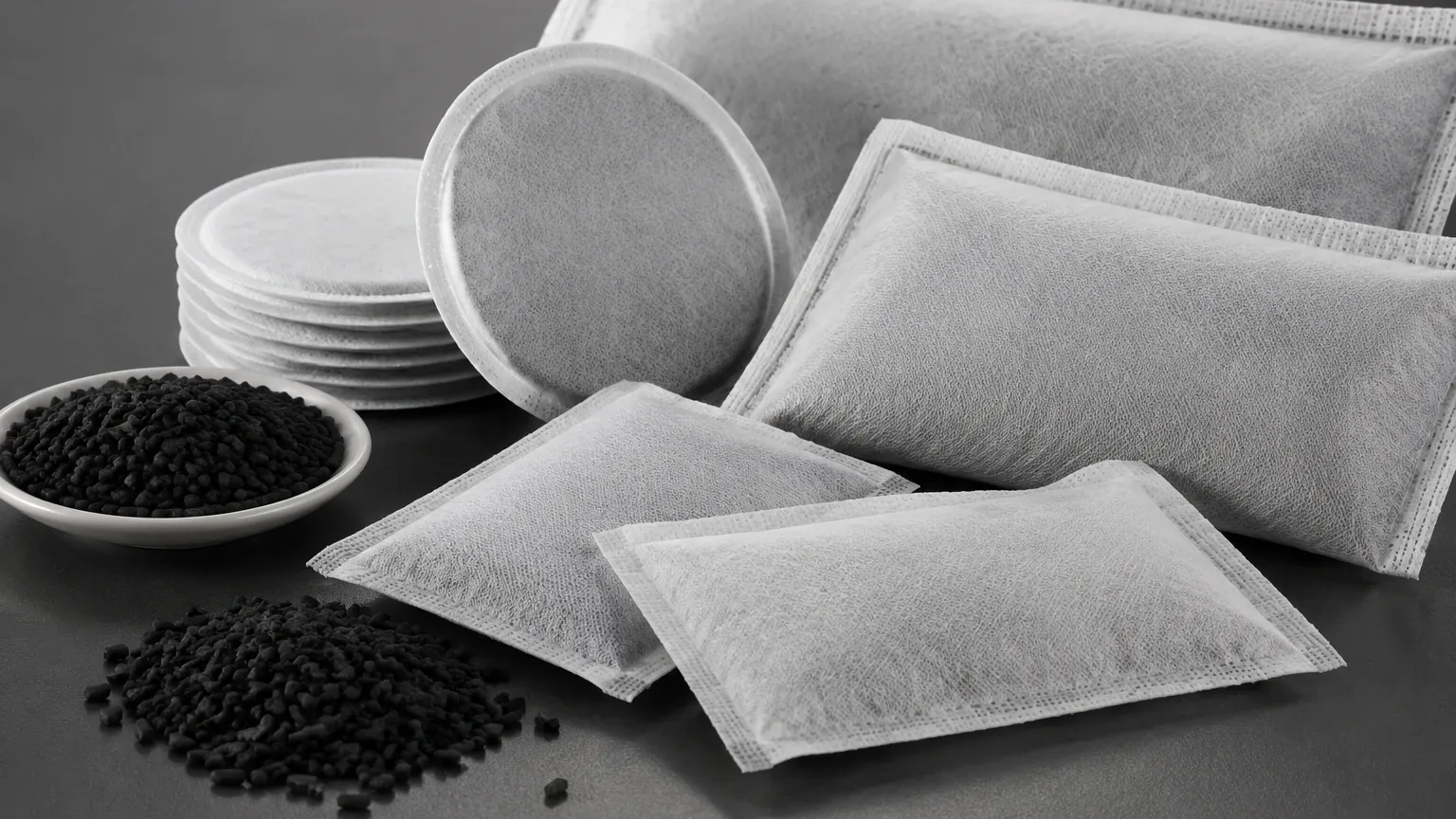
These packs are typically engineered as multi-layer structures. By encapsulating activated carbon media—whether in granular, powdered, or fiber form—between layers of stainless steel wire mesh, manufacturers create a robust filtration unit capable of removing organic compounds, odors, and chlorine while maintaining structural integrity under pressure. This dual-action approach—physical straining and chemical adsorption—makes them indispensable in sectors ranging from pharmaceutical manufacturing to high-end chemical processing.
Understanding the Structure of Activated Carbon Filter Packs
The efficiency of an industrial filter pack is largely determined by its internal architecture. Activated carbon filter packs are rarely standalone media; they are complex assemblies designed to withstand industrial flow rates and pressures. The most common configuration is the "sandwich" design, where the active carbon layer is securely held between two or more layers of metal support mesh.
Multi-Layer Design and Encapsulation
In a typical assembly, the outer layers consist of a coarser stainless steel mesh that provides structural rigidity and protects the inner media from mechanical damage. Inside these outer layers, a finer mesh or a non-woven fleece may be used to contain the carbon particles. This containment is critical; without precision-engineered containment, carbon "fines" (small particles) can migrate into the downstream flow, leading to contamination of the filtered product.
For applications requiring high precision, Filter Discs & Packs are often finished with a metal rim or edge binding. Using materials like aluminum, stainless steel, or copper, the edges are compressed and sealed to ensure that the fluid path is directed entirely through the filtration media, preventing bypass. This level of construction is vital in high-pressure hydraulic systems or vacuum-driven chemical processes where even a minor leak around the filter edge can compromise the entire batch.
Media Variations: GAC vs. PAC
The choice of carbon media within the pack depends on the specific adsorption requirements:
* Granular Activated Carbon (GAC): Offers a lower pressure drop and is suitable for high-flow liquid applications. It is easier to contain within standard wire mesh structures.
* Powdered Activated Carbon (PAC): Provides a significantly higher surface area for faster adsorption kinetics but requires much finer containment layers (often micron-rated stainless steel mesh) to prevent media migration.
* Activated Carbon Cloth/Fiber: Often used in specialized gas-phase filtration where thin profiles and high flexibility are required.
The Role of Stainless Steel Wire Mesh in Carbon Filtration
While the activated carbon performs the chemical work, the stainless steel wire mesh provides the mechanical framework. In the context of activated carbon filter packs, the mesh serves three primary functions: containment, support, and pre-filtration.
Material Selection (Grade 304 vs. 316L)
Most industrial filter packs utilize Grade 304 or 316L stainless steel. Grade 304 is suitable for general-purpose applications, providing excellent strength and basic corrosion resistance. However, in pharmaceutical or marine environments, or when dealing with corrosive chemicals, Grade 316L is preferred due to its molybdenum content, which enhances resistance to pitting and chloride-induced corrosion. For engineers, selecting the correct alloy is a balance between the chemical nature of the filtrate and the budget constraints of the project.
Structural Support Under Differential Pressure
As a filter pack accumulates contaminants or as the carbon pores become saturated, the differential pressure (Delta P) across the unit increases. If the support mesh is not correctly specified, the filter pack may deform or "balloon," leading to internal gaps or even structural failure. High-quality filter packs utilize sintered mesh or heavy-duty woven wire cloth to ensure that the pack maintains its flat or formed shape even at the end of its service life.
Integration of Pre-filtration Layers
One of the engineering advantages of using multi-layer packs is the ability to include a pre-filtration layer. By placing a specific micron-rated mesh on the upstream side of the carbon, larger suspended solids are captured before they reach the carbon media. This prevents the carbon pores from being physically blinded by particulate matter, thereby extending the chemical life of the activated carbon and optimizing the total cost of ownership.
Selection Criteria: Adsorption Capacity and Flow Dynamics
When specifying activated carbon filter packs for an industrial system, engineers must look beyond simple dimensions. The performance of these components is governed by the laws of adsorption and fluid mechanics.
Adsorption Kinetics and Contact Time
The effectiveness of activated carbon is highly dependent on the "Empty Bed Contact Time" (EBCT). This is the amount of time the fluid remains in contact with the carbon media as it passes through the pack. If the flow rate is too high, the contaminants may not have sufficient time to diffuse into the carbon's pore structure. Therefore, the thickness of the carbon layer within the pack must be calculated based on the target contaminant concentration and the required flow rate.
Evaluating Carbon Quality
Not all activated carbon is equal. Engineers should confirm the following metrics when evaluating filter packs:
1. Iodine Value: A measure of the micropore content, indicating the carbon's ability to adsorb small molecules.
2. CTC (Carbon Tetrachloride) Activity: Measures the porosity for larger organic molecules.
3. Ash Content: Lower ash content is generally preferred in high-purity applications to prevent the leaching of inorganic minerals into the filtrate.
Pressure Drop (Delta P) Considerations
Every filter introduces resistance to the system. In activated carbon filter packs, the pressure drop is a function of the mesh density, the carbon particle size, and the pack thickness. A pack designed with powdered carbon will exhibit a much higher initial pressure drop than one with granular carbon. System designers must ensure that the pump or blower capacity can handle the maximum expected pressure drop at the end of the filter's life cycle.
Industrial Applications and Chemical Compatibility
Activated carbon filter packs are utilized across a broad spectrum of industries, each with unique technical requirements. Their ability to be customized in terms of shape, size, and filtration rating makes them a versatile tool for process engineers.
Pharmaceutical and Biotechnology
In the pharmaceutical sector, these packs are used to remove trace impurities, decolorize products, and eliminate pyrogens. The use of 316L stainless steel mesh is standard here to meet stringent sanitary requirements. The packs must often be compatible with sterilization processes, such as autoclaving or SIP (Steam-in-Place), requiring high-temperature resistant bonding agents or mechanical sealing.
Food and Beverage Processing
From decolorizing sugar syrups to removing chlorine from process water, activated carbon is a staple in the food industry. Filter packs used here must comply with food-grade standards. The stainless steel construction ensures that no fibers or plastic fragments—common issues with disposable polymer filters—contribute to extractables or leachables in the final product.
Chemical and Petrochemical Industries
In chemical processing, these packs are used to recover catalysts, remove organic contaminants from acids, and purify solvents. The chemical compatibility of both the carbon and the metal mesh is paramount. For instance, in highly acidic environments, standard stainless steel may be replaced with specialty alloys like Hastelloy, integrated into the same pack design to ensure longevity.
Customization Options for Precision Engineering
One of the primary reasons engineers opt for custom-manufactured filter packs is the need for a precise fit within existing hardware. Off-the-shelf solutions often lead to bypass or require expensive housing modifications.
Geometric Variety
Manufacturers like Kaifil specialize in producing filter packs in a wide array of shapes. While circular discs are the most common, rectangular, oval, and complex polygonal shapes are frequently required for specialized machinery. Advanced cutting techniques, such as laser or waterjet cutting, allow for tight tolerances, ensuring that the pack fits perfectly into the filter holder or recessed cavity.
Edge Treatments and Assembly
The method used to join the layers of a filter pack significantly impacts its performance. Common methods include:
* Spot Welding: Ideal for simple mesh-only packs where high strength is needed at specific points.
* Rim Binding: Using a metal U-channel to crimp the edges of all layers together. This is the preferred method for activated carbon packs as it provides a complete seal for the internal media.
* Sintering: In some high-end applications, the mesh layers are diffusion-bonded (sintered) together, though this is less common for packs containing loose carbon media due to the high temperatures involved.
Tailored Filtration Ratings
By selecting different mesh counts for the outer layers, the pack can be customized to provide a specific filtration rating. For example, a pack might have a 100-micron outer mesh for coarse protection and a 5-micron inner mesh to ensure the carbon remains contained. This level of customization allows engineers to solve multiple filtration challenges within a single component.
Maintenance, Saturation, and Replacement Protocols
Unlike purely mechanical filters, which can often be cleaned and reused (such as backwashing a plain stainless steel mesh), activated carbon filter packs have a finite chemical life. Once the adsorption sites within the carbon are filled, the media is considered "spent" or saturated.
Monitoring Saturation
Because chemical saturation does not always result in a significant pressure increase, monitoring the effluent quality is the only reliable way to determine when a pack needs replacement. In gas-phase applications, this might involve VOC sensors; in liquid applications, it may involve periodic sampling for TOC (Total Organic Carbon) or specific contaminant levels. If the pack is being used for decolorization, a simple visual or spectrophotometric check of the filtrate will indicate breakthrough.
Replacement Cycles
Establishing a predictable replacement cycle is essential for maintaining process consistency. Factors that shorten the lifespan of an activated carbon filter pack include:
* High Contaminant Loading: Higher concentrations of impurities saturate the carbon faster.
* Competitive Adsorption: The presence of multiple contaminants where one may displace another from the carbon surface.
* Temperature Flux: Adsorption is generally an exothermic process; higher temperatures can decrease the adsorption efficiency for certain compounds.
Disposal and Sustainability
Spent activated carbon packs must be disposed of according to the nature of the contaminants they have captured. If they have filtered hazardous chemicals, they must be treated as hazardous waste. However, the stainless steel component of the pack is fully recyclable, and in some large-scale industrial operations, the carbon can be thermally reactivated, although this is typically done for bulk media rather than small, rimmed filter packs.
Conclusion: Selecting the Right Partner for Filtration Solutions
Choosing the correct activated carbon filter pack requires a deep understanding of both the chemical objectives and the mechanical constraints of the application. A well-engineered pack does more than just filter; it protects downstream equipment, ensures regulatory compliance, and optimizes the purity of the final product.
For engineers and purchasing managers, the key is to work with a manufacturer that understands the complexities of metal mesh and media integration. From material selection and micron ratings to custom edge binding and geometric precision, the technical details matter. By focusing on high-quality construction and verified carbon performance, facilities can achieve reliable, long-term filtration success. Whether you are designing a new system or looking to improve the performance of an existing process, exploring the full range of Filter Discs & Packs is the first step toward achieving professional-grade filtration results.
