


Air Filter Scent Packs
In industrial and commercial air management, the focus is often on the removal of particulate matter, volatile organic compounds (VOCs), and hazardous fumes. However, as air quality standards evolve to include sensory experience and odor neutralization, the integration of air filter scent packs into high-performance filtration systems has become a point of interest for facility engineers and HVAC designers. While scenting is frequently associated with residential comfort, industrial-grade applications require a more robust approach to hardware selection, ensuring that scent delivery does not compromise the structural integrity or efficiency of the filtration media.
For engineers managing complex air treatment units, the primary challenge lies in selecting the correct Filter Discs & Packs that can support the additional load of odor control modules while maintaining precise airflow and filtration ratings. This guide examines the technical intersection of scent delivery systems and industrial filtration, focusing on material compatibility, engineering specifications, and long-term performance.
The Role of Filter Discs & Packs in Air Treatment Systems
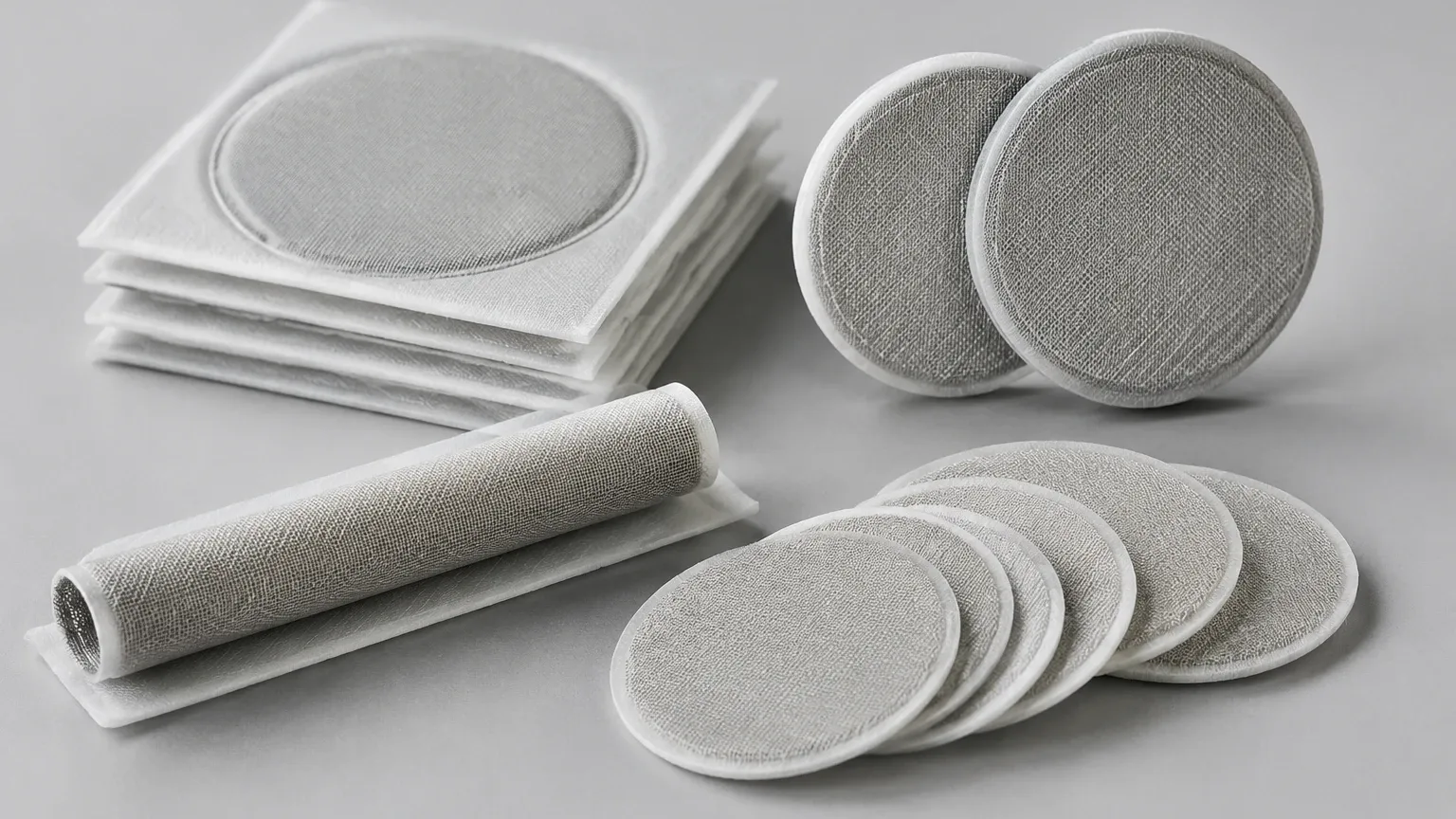
Industrial air filtration relies on multi-stage systems where each component serves a specific purpose, from pre-filtration to fine particulate removal. Filter Discs & Packs are critical components in these systems, often utilized in specialized air purification units, gas scrubbers, and high-pressure air lines. These components are typically constructed from stainless steel wire mesh, which provides the mechanical strength necessary to withstand high velocity and pressure fluctuations.
When air filter scent packs are introduced into these systems, the filter discs often serve as the structural housing or the final barrier that prevents scent-carrying media from entering the downstream airflow. Unlike standard fabric filters, stainless steel discs offer superior durability and can be customized to specific micron ratings to ensure that only the desired scent molecules pass through while larger particulates are effectively trapped. This dual functionality is essential in environments where air purity and environmental atmosphere are equally prioritized, such as in high-end commercial buildings, pharmaceutical cleanrooms, or specialized manufacturing labs.
Technical Specifications for Industrial Air Filters
To successfully integrate scenting technologies with industrial filtration, engineers must evaluate several key technical parameters of the filter media. The performance of Filter Discs & Packs is determined by the weave type, wire diameter, and layer configuration.
Weave Types and Filtration Efficiency
Industrial wire mesh is available in various weave patterns, including plain, twill, and Dutch weaves. For air filtration applications involving scent packs, a Dutch weave is often preferred due to its high strength and precise filtration accuracy. This weave allows for a high density of wires, creating a tortuous path for particulates while maintaining a consistent flow of air and aromatic compounds.
Micron Ratings and Airflow
The micron rating of the filter disc must be carefully balanced with the desired airflow (CFM). If the mesh is too fine, it may create a significant pressure drop, leading to increased energy consumption and potential strain on the blower motor. Conversely, a mesh that is too coarse may fail to protect the scent pack from dust accumulation, which can lead to premature fouling of the scent-emitting media. Typically, industrial air treatment systems utilize discs ranging from 20 to 100 microns for secondary filtration stages.
Integrating Air Filter Scent Packs: Engineering Considerations
Integrating scent packs into an industrial filter assembly is not merely a matter of placement; it requires careful consideration of the system's aerodynamics and chemical interactions. Engineers must confirm how the scent pack will be secured and how it will interact with the primary filter media.
1. Pressure Drop (Delta P): Every component added to the air stream increases resistance. When designing a system that includes air filter scent packs, engineers must calculate the cumulative pressure drop. High-quality stainless steel Filter Discs & Packs are designed to minimize resistance, but the addition of a scent pack—which may use gel, oil-impregnated beads, or treated fabric—will inevitably alter the flow profile.
2. Placement and Housing: Scent packs are usually placed on the downstream side of the primary filter to ensure they remain clean and effective for a longer duration. Stainless steel filter packs can be engineered with custom frames or recessed areas to hold these scent modules securely, preventing them from vibrating or shifting during high-velocity operation.
3. Flow Distribution: Uniform airflow across the scent pack is necessary for consistent scent delivery. If the filter disc is partially obstructed or if the mesh density is inconsistent, it can lead to "channeling," where air bypasses the scent pack entirely, resulting in poor performance.
Material Compatibility and Corrosion Resistance
One of the most critical factors in industrial air treatment is the chemical compatibility between the filtration hardware and the substances it encounters. Air filter scent packs often contain essential oils, synthetic fragrances, or neutralizing chemicals that can be corrosive to certain materials over time.
Stainless Steel 304 vs. 316L
Kaifil specializes in manufacturing filtration solutions using high-grade stainless steel. For most air filtration applications, Grade 304 stainless steel provides excellent strength and adequate corrosion resistance. However, if the scent packs contain highly acidic or alkaline compounds, or if the system is located in a coastal or high-humidity environment, Grade 316L is recommended. 316L contains molybdenum, which significantly enhances its resistance to pitting and chemical corrosion, ensuring the Filter Discs & Packs do not degrade when exposed to volatile scent compounds.
Thermal Stability
In some industrial HVAC systems, air may be heated or cooled significantly. Stainless steel filter components maintain their structural integrity across a wide temperature range, unlike plastic or composite filters. This thermal stability is vital when scent packs are used in systems that involve heat-activated scent release, as the filter must remain rigid and functional under varying thermal loads.
Maintenance and Longevity of Metal Filtration Components
A primary advantage of using stainless steel Filter Discs & Packs in conjunction with air filter scent packs is the ability to clean and reuse the filtration media. While the scent packs themselves are typically consumable items that require periodic replacement, the metal filter discs are designed for long-term service.
Cleaning Protocols
Over time, the oils or residues from scent packs may accumulate on the wire mesh. Unlike disposable filters, stainless steel mesh can be cleaned using ultrasonic baths, high-pressure air, or chemical solvents, depending on the nature of the contaminant. This capability significantly reduces the total cost of ownership (TCO) by eliminating the need for frequent filter replacements.
Replacement Cycles
Engineers should establish a maintenance schedule that aligns the replacement of scent packs with the inspection of the filter discs. While the discs may last for years, the scent packs may need replacement every 30 to 90 days, depending on the airflow volume and the concentration of the scent. Monitoring the pressure drop across the filter assembly is the most reliable method for determining when cleaning or replacement is necessary.
Customization and OEM Solutions for Industrial Filtration
Every industrial air treatment application has unique requirements based on the housing dimensions, airflow requirements, and environmental conditions. Standard off-the-shelf filters often fail to provide the precise fit required for specialized scent delivery systems. This is where custom OEM manufacturing becomes essential.
Kaifil provides comprehensive customization options for Filter Discs & Packs, allowing engineers to specify:
* Outer Diameter and Shape: Precise tolerances for circular, rectangular, or complex geometric shapes to fit existing ductwork or filter housings.
* Layering and Sintering: Multi-layer packs can be sintered together to create a single, rigid component that offers high mechanical strength without the need for additional support structures.
* Edge Finishing: Options such as spot welding, aluminum or stainless steel binding, or raw edges to suit the installation method.
By working closely with a manufacturer that understands the nuances of wire mesh engineering, purchasing teams can ensure they receive components that are optimized for their specific air filter scent pack integration.
Conclusion: Selecting the Right Filtration Partner
The integration of scenting technology into industrial air systems requires a balance between aesthetic goals and engineering performance. By selecting high-quality stainless steel Filter Discs & Packs, facility managers and engineers can ensure that their air treatment systems remain efficient, durable, and capable of delivering consistent results.
When evaluating filtration components for systems involving air filter scent packs, it is essential to confirm material grades, micron ratings, and the manufacturer's ability to provide customized solutions. Kaifil’s expertise in stainless steel filtration ensures that every disc and pack is engineered to meet the demanding standards of industrial applications, providing a reliable foundation for advanced air quality management.
