


Bunn Coffee Filter Packs
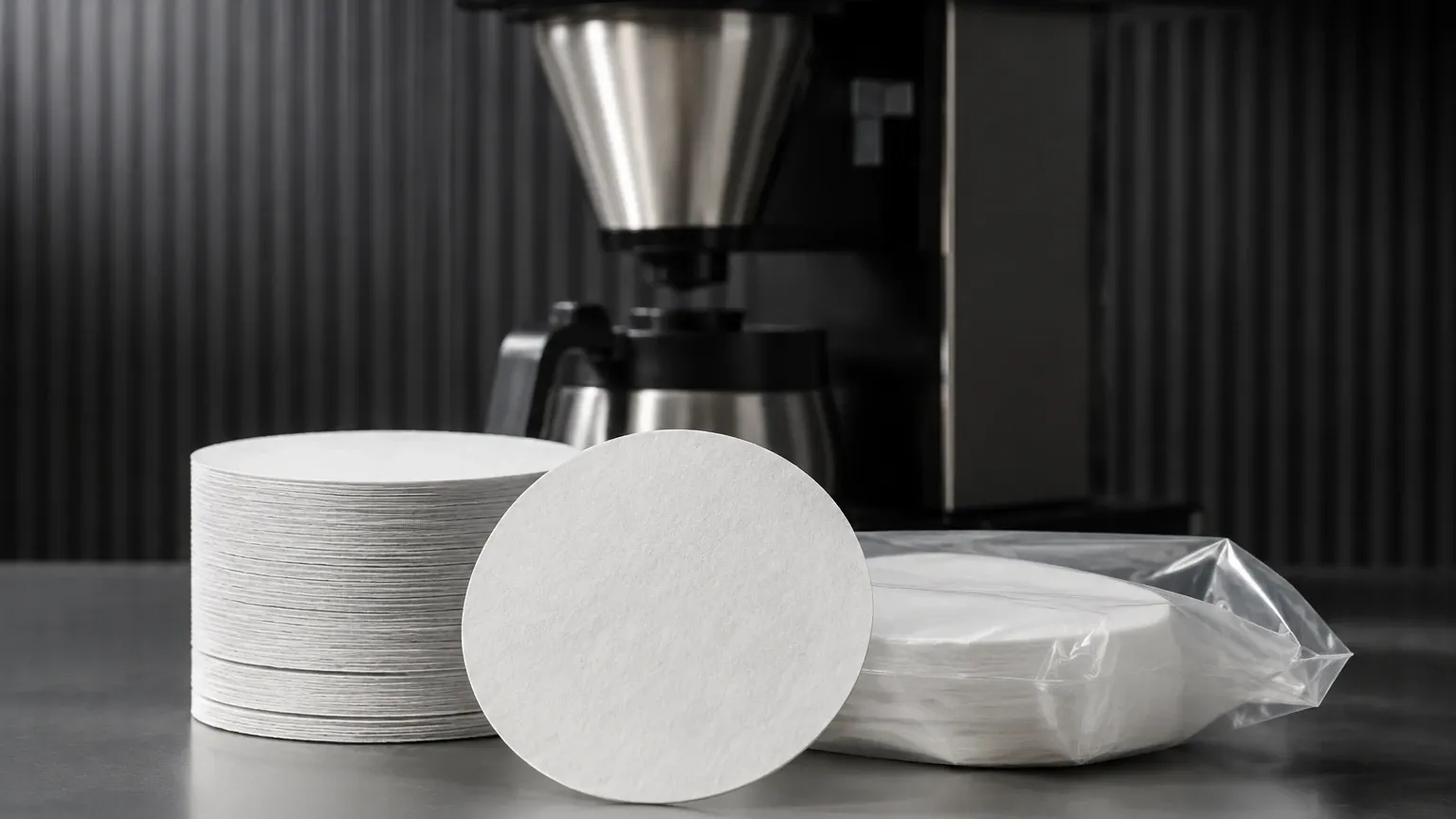
In the high-volume commercial brewing and industrial coffee processing sectors, the choice of filtration media directly impacts product consistency, operational costs, and equipment longevity. While many facilities initially rely on standard paper-based bunn coffee filter packs, engineering teams are increasingly evaluating more robust, permanent filtration solutions. For large-scale extractors, industrial brewers, and cold-brew processing plants, transitioning to precision-engineered Filter Discs & Packs offers a path toward higher filtration accuracy and reduced recurring waste.
Industrial filtration in the food and beverage industry requires a balance between flow rate, sediment retention, and structural integrity. This article examines the technical transition from disposable filter packs to customized stainless steel filtration components, providing engineers and procurement professionals with the data needed to optimize their brewing systems.
The Evolution of Filtration in Commercial Brewing
The term "bunn coffee filter packs" traditionally refers to pre-measured, paper-encased coffee grounds designed for standard commercial brewers. However, in an industrial context—such as the production of coffee concentrates or large-batch RTD (Ready-to-Drink) beverages—the "pack" concept evolves into a multi-layered filtration assembly.
Standard paper filters, while convenient, present several technical limitations in industrial environments:
1. Pressure Sensitivity: Paper can tear or bypass under the high hydraulic pressures found in industrial extraction units.
2. Absorption of Essential Oils: Cellulose fibers often trap volatile oils and aromatics, potentially altering the intended flavor profile of the concentrate.
3. Waste and Logistics: High-volume operations generate significant physical waste and require extensive storage space for disposable inventory.
By contrast, stainless steel filter discs and packs provide a rigid, reusable alternative that can be cleaned and re-integrated into the production line, ensuring a more sustainable and predictable filtration process.
Technical Specifications of Stainless Steel Filter Discs & Packs
When replacing or upgrading from traditional bunn coffee filter packs to metal filtration components, engineers must consider the material properties and construction of the mesh. Kaifil specializes in manufacturing these components using high-grade alloys that withstand the acidic nature of coffee and the rigors of Clean-in-Place (CIP) cycles.
Material Selection: 304 vs. 316L Stainless Steel
For most coffee filtration applications, 304-grade stainless steel provides sufficient corrosion resistance. However, for systems involving high-temperature extraction or those using aggressive chemical cleaning agents, 316L stainless steel is the industry standard. The addition of molybdenum in 316L enhances resistance to pitting and crevice corrosion, significantly extending the service life of the filter pack.
Mesh Structures and Weave Types
The performance of a filter disc is determined by its weave pattern. Common configurations include:
* Plain Weave: Offers a straightforward aperture and high flow rates, ideal for coarse filtration.
* Dutch Weave: Provides a denser structure with higher filtration accuracy, making it suitable for removing fine particulates (fines) that can cause bitterness in the final brew.
* Sintered Mesh: For high-pressure applications, multiple layers of mesh are sintered together. This creates a structurally sound disc that will not deform under the weight of large volumes of coffee grounds or the pressure of a pump-driven extraction system.
Engineering Considerations for Custom Filter Packs
Transitioning to custom metal filtration requires a thorough understanding of the equipment’s mechanical requirements. Unlike standard paper bunn coffee filter packs, which are flexible, metal discs must be manufactured to precise tolerances to prevent bypass.
Edge Treatment and Framing
To ensure a proper seal within the brewing chamber or extraction vessel, filter discs are often finished with specific edge treatments. These include:
* Spot Welding: Securing multiple layers of mesh to maintain alignment.
* Aluminum or Stainless Steel Binding: A metal rim is crimped around the edge of the disc to provide a rigid sealing surface and prevent the mesh from fraying.
* Rubber or Silicone Gaskets: Integrated seals that ensure 100% of the liquid passes through the mesh, eliminating the risk of "sediment bypass."
Multi-Layer Configurations
In many industrial coffee processes, a single layer of mesh is insufficient. Engineers often specify multi-layer packs that include a fine filtration layer protected by coarser support layers. This "pack" design prevents the fine mesh from stretching or tearing, ensuring that the filtration accuracy remains consistent over hundreds of cycles.
Performance Metrics: Flow Rate and Micron Ratings
The primary goal of any filtration upgrade is to maintain or improve the quality of the extract. In the context of coffee, this is measured by the Total Dissolved Solids (TDS) and the absence of insoluble solids.
* Micron Rating: While paper filters have a variable pore size, stainless steel Filter Discs & Packs offer precise micron ratings, typically ranging from 5 to 200 microns for coffee applications. A 40-60 micron range is often ideal for commercial brewing to balance clarity with extraction speed.
* Pressure Drop (ΔP): Engineers must calculate the pressure drop across the filter. A metal mesh typically offers lower resistance than a saturated paper filter, allowing for faster throughput and reduced energy consumption for pumps.
Maintenance and Total Cost of Ownership (TCO)
While the initial capital expenditure for stainless steel filter packs is higher than that of disposable paper bunn coffee filter packs, the long-term TCO is significantly lower.
Cleaning and Longevity
Stainless steel filters are designed for reuse. In industrial settings, they can be cleaned using ultrasonic baths, back-flushing, or chemical soaking. This eliminates the recurring cost of purchasing, shipping, and storing paper filters.
Durability and Reliability
Paper filters are prone to "blowouts," where the filter fails under pressure, leading to a lost batch and significant downtime for equipment cleaning. Stainless steel discs are virtually immune to this failure mode, providing a level of reliability that is critical for 24/7 manufacturing operations.
Application Scenarios in the Food and Beverage Industry
Beyond standard commercial coffee brewing, these precision filter components are utilized in several specialized areas:
1. Cold Brew Extraction: Large-scale cold brew systems require long steep times and efficient separation. Custom metal packs allow for the easy removal of spent grounds without the risk of bag breakage.
2. Espresso Machine Groups: Precision discs ensure even water distribution (dispersion) across the coffee puck, which is essential for consistent extraction.
3. Instant Coffee Production: In the dehydration process, fine metal filters are used to clarify the coffee liquor before it enters the spray dryer or freeze dryer.
Selecting a Manufacturing Partner
For engineers and purchasing managers, selecting a supplier for industrial filtration components involves more than just comparing prices. It requires a partner with the technical expertise to understand the nuances of fluid dynamics and material science.
Kaifil provides comprehensive OEM and customized filtration solutions, working closely with clients to develop filter products that meet specific application requirements. From initial material selection to the final design of the filter structure, Kaifil’s manufacturing capabilities ensure that every disc and pack delivered meets the rigorous standards of the industrial food and beverage sector.
When evaluating a potential filtration solution, technical teams should confirm the following with their supplier:
* Material Certification: Ensuring the stainless steel is food-grade and traceable.
* Filtration Accuracy: Verification of micron ratings through bubble point testing or microscopic analysis.
* Customization Options: The ability to produce non-standard diameters, shapes, and layering configurations.
* Production Capacity: The ability to scale from prototype discs to high-volume production runs for global distribution.
Conclusion
While the convenience of paper bunn coffee filter packs remains a staple for small-scale commercial use, the industrial coffee sector demands the precision and durability of metal filtration. By integrating high-quality Filter Discs & Packs into their systems, facilities can achieve better extraction control, reduce environmental impact, and lower their total operational costs. As the industry moves toward more sophisticated extraction technologies, the role of precision-engineered stainless steel components will continue to be a cornerstone of efficient coffee processing.
