


Decaf Coffee Filter Packs
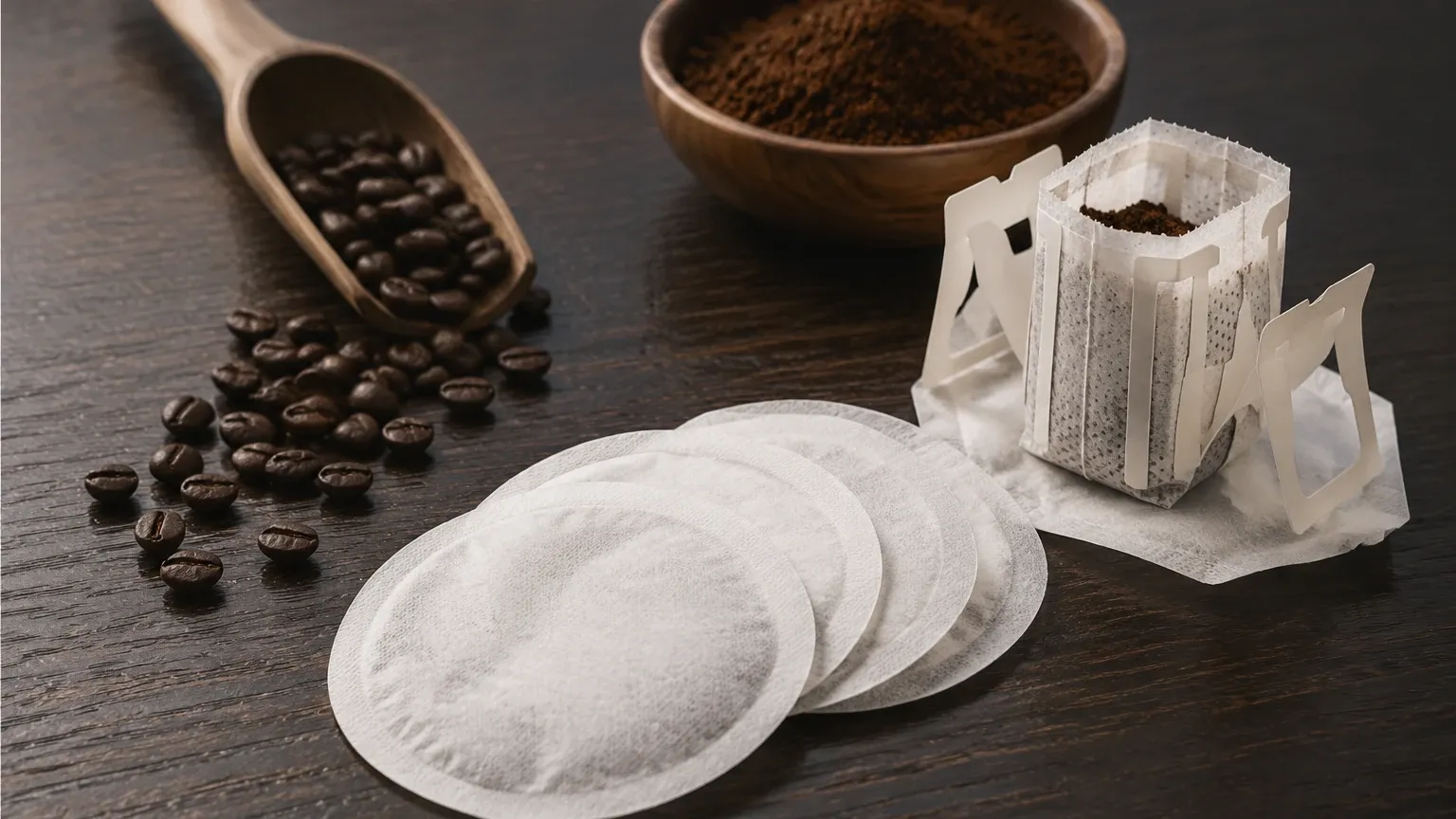
In the industrial food and beverage sector, the production of decaffeinated coffee requires specialized filtration solutions that can withstand rigorous chemical processes, high pressures, and the need for extreme precision. While the term "decaf coffee filter packs" often brings to mind consumer-grade paper pouches, in a B2B and engineering context, it refers to the high-performance Filter Discs & Packs used within the industrial extraction, processing, and packaging machinery.
For engineers and procurement professionals in the coffee processing industry, selecting the right filtration media is critical to maintaining flavor profiles while ensuring the efficient removal of caffeine and processing solvents. This article explores the technical requirements of industrial filtration in decaf coffee production, the role of stainless steel wire mesh, and the engineering considerations for selecting durable filter components.
The Role of Filtration in Decaffeination Processes
Decaffeination is a complex chemical engineering process that occurs before the coffee beans are roasted. There are several primary methods used globally, each placing unique demands on filtration systems. Whether using the Direct Solvent Method, the Indirect Solvent Method, the Swiss Water Process, or Carbon Dioxide (CO2) Extraction, the goal is to separate caffeine from the green coffee beans without removing the essential oils and flavor precursors.
Industrial decaf coffee filter packs—specifically multi-layer metal mesh discs—are utilized at various stages of these processes. For instance, in CO2 extraction, coffee beans are placed in a high-pressure vessel where supercritical CO2 acts as a solvent. The filtration packs must be capable of withstanding immense pressure while preventing fine coffee particles from entering the CO2 recycling loop. In water-based or solvent-based methods, filter discs are used to separate the "Green Coffee Extract" (GCE) from the beans and to filter out the activated carbon or chemical resins used to capture the caffeine molecules.
Material Selection for Industrial Coffee Filtration
When specifying filter discs for coffee processing, material integrity is the first priority. Because coffee is acidic and the decaffeination process may involve solvents or high-temperature water, stainless steel is the industry standard.
Stainless Steel 304 vs. 316L
* Grade 304: Suitable for standard food-grade applications where moisture is present but chemical exposure is limited. It provides excellent mechanical strength and cost-effectiveness.
* Grade 316L: Often preferred for decaffeination plants using solvent-based methods or high-salinity water processes. The addition of molybdenum in 316L provides superior resistance to pitting and chloride-induced corrosion, ensuring a longer service life in harsh industrial environments.
Wire Mesh Weave Types
Precision in decaf coffee filter packs is achieved through specific weave patterns in the wire cloth. Engineers must choose based on the required micron rating and flow rate:
* Plain Weave: Offers a simple, precise aperture for high-flow applications.
* Dutch Weave: Provides a denser structure with higher filtration accuracy, ideal for capturing fine coffee dust and sediment during the extraction phase.
* Sintered Mesh: For high-pressure environments like CO2 extraction, multiple layers of wire mesh are sintered (diffusion bonded) together. This creates a rigid, extremely durable filter pack that does not deform under pressure and can be cleaned and reused thousands of times.
Engineering Considerations for Filter Discs & Packs
Designing an effective filtration system for decaf coffee production requires more than just picking a mesh size. Several engineering factors influence the performance and total cost of ownership of the filtration components.
1. Micron Rating and Particle Retention
In coffee processing, "fines" (microscopic coffee particles) can clog downstream equipment or affect the clarity of the final extract. Filter packs must be engineered with a specific micron rating—often ranging from 5 to 200 microns depending on the stage of processing—to ensure consistent particle retention without causing excessive pressure drops.
2. Pressure Drop and Flow Rate
An industrial filter must allow the solvent or water to pass through at a predictable rate. If the mesh is too fine or the pack is poorly designed, the pressure drop across the filter will increase, forcing pumps to work harder and increasing energy consumption. Engineers must balance the need for fine filtration with the hydraulic requirements of the system.
3. Structural Integrity and Edging
Filter discs used in decaf coffee processing are often subjected to mechanical stress during installation and operation. To prevent fraying and ensure a bypass-free seal, these discs are typically finished with specialized borders:
* Spot Welded: Multiple layers are joined at the edges for basic structural integrity.
* Aluminum or Stainless Steel Rims: A metal frame is crimped around the edge of the mesh pack. This provides a robust sealing surface and prevents any loose wires from entering the product stream, which is a critical safety requirement in food processing.
Maintenance and Longevity in Food-Grade Applications
One of the primary advantages of using stainless steel Filter Discs & Packs over disposable media is their ability to be cleaned and reused. In a high-volume decaf coffee facility, the cost of replacing paper or synthetic filters can be astronomical.
Clean-In-Place (CIP) Compatibility
Stainless steel filter packs are fully compatible with CIP systems. They can withstand the caustic cleaning agents and high-temperature steam sterilization required to meet food safety standards (such as FDA or EHEDG guidelines). Proper maintenance involves regular backwashing or ultrasonic cleaning to remove trapped oils and fines, which restores the filter's original flow characteristics.
Durability vs. Disposable Media
While the initial investment in a custom-engineered stainless steel filter pack is higher than paper alternatives, the long-term ROI is significantly better. Metal filters do not tear, do not leach chemicals into the coffee, and maintain their shape under thermal cycling. This reliability reduces downtime and the risk of batch contamination.
Customization for OEM Coffee Processing Equipment
Every decaffeination plant and commercial brewing system has different specifications. Manufacturers like Kaifil work closely with engineers to develop customized filtration solutions tailored to specific machinery.
When requesting a quote for decaf coffee filter packs, technical teams should confirm the following data points:
* Operating Temperature: To ensure the mesh and border materials can handle thermal expansion.
* Maximum Differential Pressure: To determine if a support grid or sintered structure is necessary.
* Chemical Environment: To select the appropriate stainless steel grade (e.g., 316L for solvent resistance).
* Dimensions: Precise outer and inner diameters to ensure a perfect fit in the filter housing.
Common Risks in Industrial Filtration Selection
Failure to properly specify filtration components can lead to significant operational hurdles. Common risks include:
* Media Migration: Using low-quality mesh can result in wire fragments breaking off and entering the coffee. Choosing high-quality, rimmed filter packs mitigates this risk.
* Blinding: If the mesh weave is not suited for the oily nature of coffee, the filter can "blind" or clog prematurely. Selecting a specialized weave or surface treatment can help shed oils more effectively.
* Bypass: If the filter disc does not fit perfectly within its housing, the processing fluid will take the path of least resistance, bypassing the filter entirely and carrying contaminants downstream.
Conclusion
In the specialized world of decaf coffee production, the term "filter packs" represents a critical engineering component rather than a simple consumable. By utilizing high-precision Filter Discs & Packs made from food-grade stainless steel, processors can achieve the exact filtration results required for high-quality decaffeinated coffee.
From the high-pressure environment of CO2 extraction to the chemical sensitivity of solvent-based methods, the right filtration media ensures product purity, equipment longevity, and operational efficiency. For engineers and purchasing teams, focusing on material quality, weave precision, and structural durability is the key to optimizing the decaffeination process and delivering a superior final product to the global market.
