


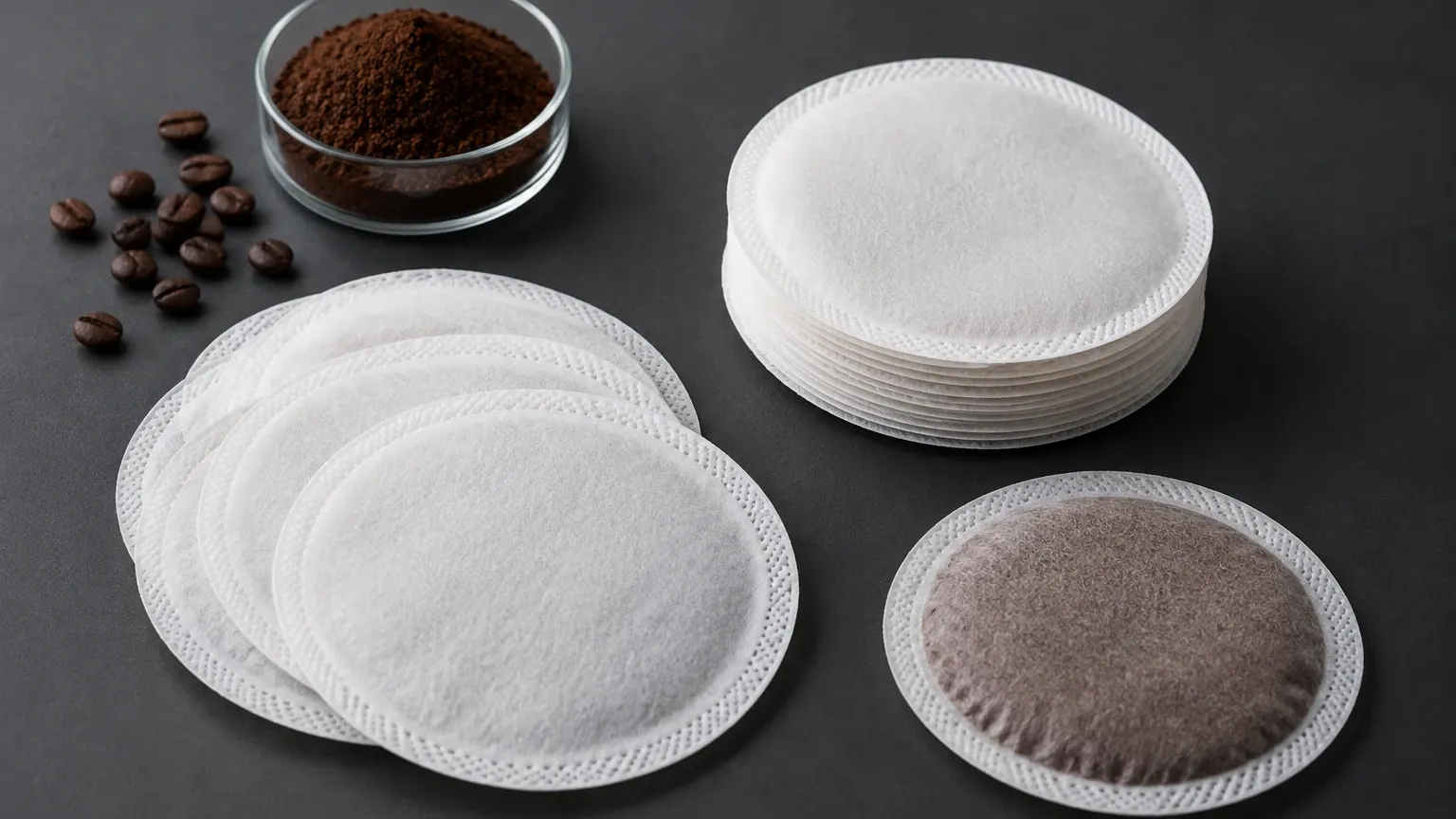
Filter Coffee Packets
In the industrial food and beverage sector, the production and preparation of coffee require precise filtration to ensure product consistency, flavor integrity, and equipment longevity. While the term "filter coffee packets" often brings to mind consumer-grade paper filters, the industrial reality behind the scenes involves sophisticated stainless steel filtration components. For engineers and procurement teams in the coffee processing industry, selecting the right Filter Discs & Packs is a critical decision that impacts extraction efficiency, the prevention of sediment in final products, and the operational uptime of high-speed packaging and brewing machinery.
Industrial coffee processing involves several stages where metal filtration is superior to disposable alternatives. From the initial extraction in large-scale brewing systems to the precision dosing and sealing of individual packets, stainless steel mesh provides the durability and chemical resistance necessary for continuous operation. This guide explores the technical specifications, material considerations, and engineering requirements for the filtration components used in the manufacturing and utilization of filter coffee packets.
Engineering Requirements for Commercial Coffee Filtration
Commercial coffee extraction and the production of filter coffee packets demand a level of precision that standard wire mesh cannot always provide without specialized engineering. The filtration process must account for the unique physical properties of ground coffee, including oil content, particle size distribution, and the thermal expansion of the brewing liquid.
Micron Rating and Particle Retention
Coffee grounds typically range from 200 to 1,000 microns, but the "fines"—microscopic particles produced during the grinding process—can be as small as 10 to 50 microns. If these fines are not managed, they can clog downstream valves or result in a muddy sediment in the final cup. Industrial filter packs are often designed with specific micron ratings to allow essential oils to pass through while retaining even the smallest insoluble solids. Engineers must balance the desire for high-clarity coffee with the need to maintain flow rates and prevent premature blinding of the filter.
Pressure and Flow Dynamics
In industrial extraction systems, water is often forced through the coffee bed under pressure. Filter discs must withstand these pressure differentials without deforming. A deformed filter can lead to "channeling," where the water bypasses the coffee grounds, resulting in an uneven extraction and a poor-quality product. Multi-layer sintered mesh or reinforced wire mesh packs are often employed to provide the structural rigidity required to maintain a flat, uniform surface under high-pressure conditions.
The Role of Stainless Steel Filter Discs & Packs in Production
In the context of filter coffee packets, stainless steel components serve two primary roles: as part of the machinery that fills and seals the packets, and as the primary filtration media in commercial brewing equipment that utilizes bulk coffee.
Integration in Packaging Machinery
High-speed packaging lines for filter coffee packets utilize vacuum systems and dosing heads to ensure each packet contains the exact weight of coffee. Stainless steel filter discs are often integrated into these vacuum heads to prevent coffee dust from entering the pneumatic system. These discs must be precisely cut to fit tight tolerances, often requiring laser cutting or precision stamping to ensure there are no gaps where particles could escape.
Multi-Layer Mesh Packs
For large-scale extraction, a single layer of mesh is rarely sufficient. Instead, manufacturers utilize Filter Discs & Packs consisting of multiple layers of varying mesh counts. A typical configuration might include:
* A Fine Filtration Layer: The middle layer, determined by the required micron rating.
* Support Layers: Coarser mesh layers on either side that provide mechanical strength and protect the fine mesh from physical damage.
* Drainage Layers: Optimized to ensure that the filtered liquid moves away from the mesh surface quickly, preventing backpressure build-up.
Material Selection and Wire Mesh Specifications
Material selection is paramount in food-grade applications. Coffee is naturally acidic, and the filtration components are frequently exposed to high temperatures and caustic cleaning agents.
Stainless Steel Alloys: 304 vs. 316L
* Type 304: The standard for most food and beverage applications. It offers excellent corrosion resistance and is cost-effective for general coffee filtration.
* Type 316L: Contains molybdenum, which provides superior resistance to chlorides and organic acids. In facilities where aggressive CIP (Clean-In-Place) chemicals are used or where the coffee has a particularly high acidity, 316L is the preferred choice to prevent pitting and ensure a longer service life.
Weave Types for Coffee Applications
The geometry of the mesh weave affects both the filtration accuracy and the ease of cleaning.
* Plain Weave: Simple and effective for coarser filtration, offering high flow rates.
* Twill Weave: Allows for a heavier wire diameter in a given mesh count, increasing durability.
* Dutch Weave: Provides a much tighter pore structure, ideal for capturing the finest coffee dust while maintaining high mechanical strength. This weave is often used in the production of premium filter coffee packets where clarity is a key selling point.
Performance Evaluation: Filtration Accuracy and Flow Rates
When evaluating filter discs for a coffee processing line, engineers must look beyond simple mesh counts. The performance of the filter is defined by its ability to maintain a consistent flow rate over thousands of cycles.
Permeability and Open Area
The "open area" of a filter disc determines how much liquid can pass through at a given pressure. A higher open area generally means lower pressure drop and higher throughput. However, increasing the open area often requires using thinner wires, which can compromise the durability of the disc. In industrial coffee production, the goal is to find the "sweet spot" where the filter provides the necessary particle retention without becoming a bottleneck in the production process.
Resistance to Blinding
Blinding occurs when coffee oils and fine particles become trapped within the mesh pores. Unlike paper filters, which are discarded, stainless steel filter packs are designed to be cleaned and reused. The surface finish of the wire and the weave type play significant roles in how easily the filter can be backwashed. Electropolishing the stainless steel mesh can further reduce the adhesion of coffee oils, extending the time between cleaning cycles.
Customization and OEM Integration
Every coffee processing facility has unique requirements based on their specific equipment and product goals. Customization of Filter Discs & Packs is often necessary to achieve optimal results.
Edging and Framing Options
To prevent fraying and to ensure a secure seal within the machinery, filter discs are often finished with specialized edging:
* Spot Welding: Multiple layers are welded together at the perimeter to maintain alignment.
* Aluminum or Stainless Steel Rims: A metal U-binding is crimped around the edge of the disc. This provides a robust sealing surface and makes the disc easier to handle during maintenance.
* Sintered Edges: For the most demanding applications, the edges of the mesh layers are sintered together, creating a monolithic structure that is virtually impossible to delaminate.
Shape and Dimensional Tolerance
While circular discs are the most common, industrial coffee equipment may require oval, rectangular, or complex geometric shapes. Utilizing CNC laser cutting or precision die-stamping ensures that these components fit perfectly into the OEM housing, preventing bypass—a common failure point where unfiltered coffee bypasses the filter due to poor fitment.
Maintenance, Durability, and Total Cost of Ownership
For a purchasing manager, the initial cost of a stainless steel filter disc is higher than a paper or plastic alternative. However, the total cost of ownership (TCO) is significantly lower when considering the lifespan and efficiency of the component.
Cleaning Protocols
Stainless steel filters in coffee production are typically cleaned using ultrasonic baths or pressurized hot water. Because they are made of high-quality alloys, they can withstand the thermal shock of moving from brewing temperatures to cold cleaning solutions without warping. This durability ensures that the filtration characteristics remain unchanged over months or even years of service.
Replacement Cycles
While paper filter coffee packets are single-use, the internal metal components of the packaging and brewing machinery should last for thousands of hours. Signs that a filter disc needs replacement include visible deformation of the mesh, persistent clogging that cannot be removed by standard cleaning, or a measurable drop in flow rate that impacts production quotas.
Conclusion: Selecting the Right Filtration Partner
Optimizing the production of filter coffee packets requires a deep understanding of both the product and the machinery. Engineers must specify filtration components that offer the right balance of micron retention, mechanical strength, and corrosion resistance. By choosing high-quality Filter Discs & Packs, coffee processors can ensure a consistent product that meets consumer expectations for flavor and clarity while maintaining high operational efficiency.
When sourcing these components, it is essential to work with a manufacturer that understands the nuances of industrial filtration. From material certification to precision manufacturing, the quality of the filter disc is the foundation of a reliable coffee processing line. Whether you are designing a new extraction system or looking to improve the performance of an existing packaging line, focusing on technical specifications and engineering-led selection will lead to better long-term outcomes.
