


Filter Discs for Monotub
In industrial filtration and controlled environmental systems, the requirement for precise gas exchange while maintaining a sterile barrier is a critical engineering challenge. This is particularly evident in applications involving biological cultivation, pharmaceutical processing, and specialized chemical reactions where contaminants must be excluded without suffocating the internal environment. The use of filter discs for monotub systems and similar atmospheric-controlled vessels has evolved from simple synthetic patches to sophisticated stainless steel wire mesh components designed for durability, repeatability, and high-performance filtration.
Selecting the appropriate filtration media involves understanding the balance between pore size, airflow, and mechanical integrity. For engineers and procurement teams, the transition to professional-grade metal filter discs represents a significant upgrade in system reliability and long-term cost-efficiency.
The Role of Filter Discs in Controlled Gas Exchange
A monotub or similar cultivation vessel relies on passive or active gas exchange to regulate CO2 levels and introduce oxygen. However, this exchange point is the most vulnerable part of the system, as it provides a potential entry path for airborne contaminants, including mold spores, bacteria, and dust.
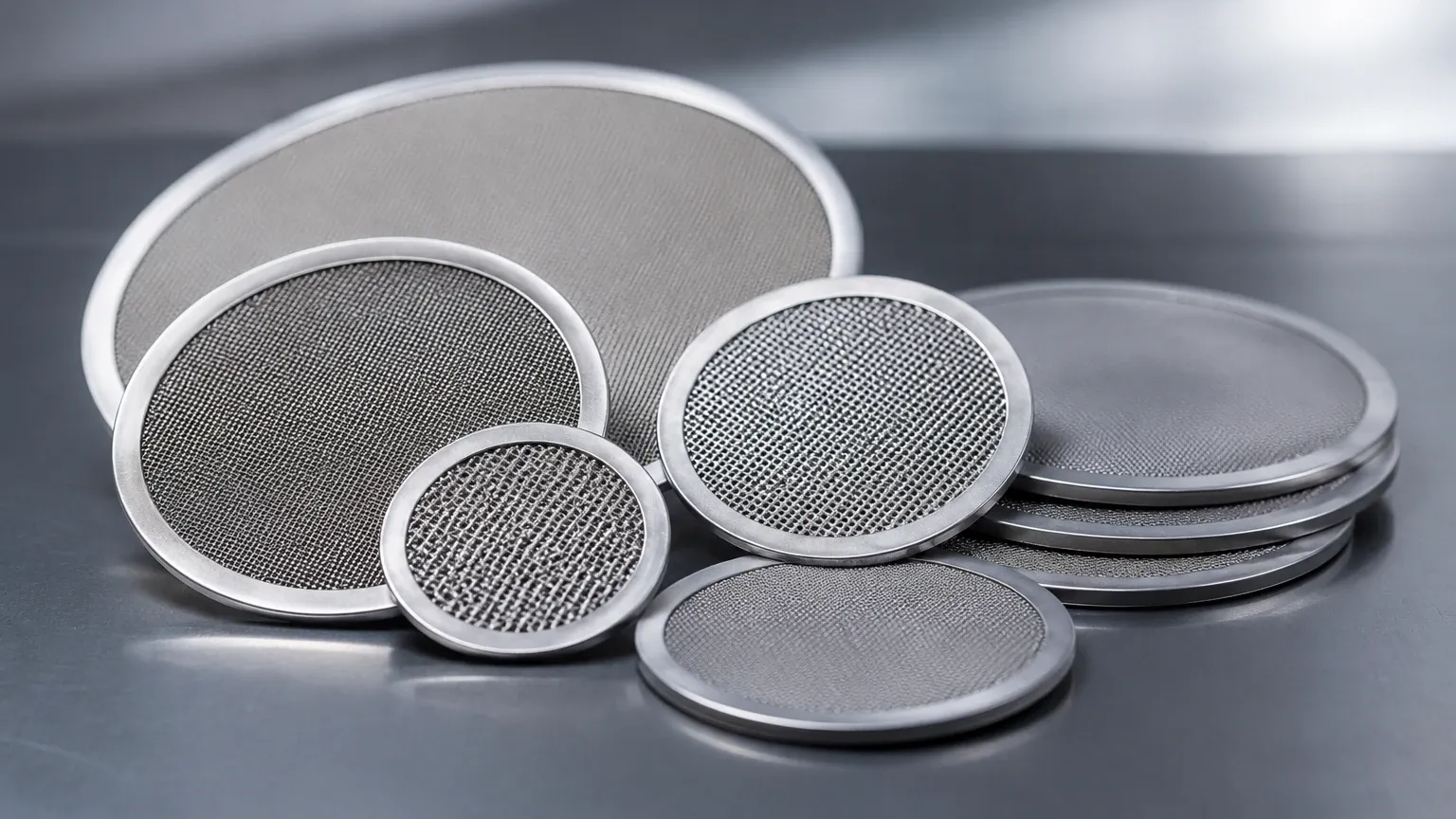
Standard synthetic filters often suffer from structural degradation after repeated sterilization cycles or may lack the precise micron rating required for high-stakes industrial applications. In contrast, industrial Filter Discs & Packs manufactured from stainless steel wire mesh provide a rigid, heat-resistant, and chemically inert solution. These discs are engineered to allow specific flow rates while ensuring that particles above a certain micron threshold are effectively blocked.
Key Functions of Industrial Filter Discs:
* Sterile Barrier: Preventing the ingress of biological contaminants.
* Gas Permeability: Allowing for the diffusion of oxygen and the venting of metabolic byproducts like carbon dioxide.
* Moisture Regulation: Managing humidity levels within the vessel without allowing external moisture to compromise the media.
* Mechanical Support: Acting as a durable interface that can withstand pressure differentials or physical handling.
Technical Specifications: Material and Weave Types
When specifying filter discs for monotub applications or industrial gas exchange, the choice of material and the geometry of the weave are the primary determinants of performance. Stainless steel is the industry standard due to its exceptional resistance to corrosion and high temperatures.
Material Grades
1. AISI 304 Stainless Steel: The most common grade, offering excellent corrosion resistance in standard atmospheric conditions and high-temperature tolerance for autoclaving.
2. AISI 316L Stainless Steel: For environments involving high humidity, saline solutions, or corrosive chemicals, 316L provides superior resistance to pitting and crevice corrosion due to the addition of molybdenum.
Weave Structures
The performance of a filter disc is largely dictated by how the wires are woven. For gas exchange applications, the goal is often to maximize surface area while maintaining a strict micron rating.
* Plain Weave: A simple over-under pattern that provides uniform pore sizes. It is ideal for general filtration where high flow rates are required.
* Dutch Weave: This weave uses thicker warp wires and finer weft wires driven closely together. This creates a more tortuous path for particles, providing high-pressure resistance and very fine filtration ratings, often required for high-purity gas exchange.
* Sintered Mesh: For the most demanding applications, multiple layers of wire mesh are sintered together. This process fuses the wires at their contact points, creating a monolithic structure that will not migrate or deform under pressure, ensuring the micron rating remains constant over the life of the filter.
Engineering Considerations for Monotub Filtration
Designing or purchasing filter discs for monotub setups requires more than just selecting a diameter. Engineers must consider the fluid dynamics and the biological requirements of the process within the vessel.
Micron Rating and Efficiency
In biological applications, a micron rating of 0.2μm to 0.5μm is often cited as the gold standard for blocking bacteria. However, in industrial wire mesh filtration, achieving these sub-micron levels often involves multi-layered packs or specialized Dutch weaves. It is essential to confirm whether the rating is "absolute" (blocking 99.9% of particles at that size) or "nominal" (blocking a percentage of particles).
Airflow and Pressure Drop (Delta P)
The tighter the filter, the higher the resistance to airflow. If the filter disc is too restrictive, CO2 will build up inside the vessel, potentially stalling the biological process. Conversely, if the mesh is too open, the risk of contamination increases. Calculating the required surface area of the filter disc relative to the volume of the vessel is a critical step in the selection process.
Thermal Stability and Sterilization
One of the primary advantages of using stainless steel Filter Discs & Packs is their ability to withstand repeated sterilization. Unlike plastic-based filters that may warp or lose their pore integrity during autoclaving, stainless steel discs can be sterilized using dry heat, steam (autoclave), or chemical agents without any degradation of the filtration media.
Customization and Edge Treatments
In an OEM or industrial setting, the integration of the filter disc into the housing or the vessel wall is as important as the filtration media itself. Improper sealing at the edges is a common failure point in filtration systems.
Edge Finishing Options
To ensure a bypass-free seal and to prevent fraying of the wire mesh, several edge treatments are available:
* Spot Welding: Multiple layers of mesh are welded together at the edges to create a stable pack.
* Aluminum or Stainless Steel Binding: The mesh disc is encased in a metal rim. This provides a flat, rigid surface for gaskets or mechanical clamps to press against, ensuring a hermetic seal.
* Sintered Edges: The edges of the mesh are fused together during the sintering process, providing a clean, fiber-free finish suitable for cleanroom environments.
Dimensional Precision
Customization allows for the production of discs in any diameter, from a few millimeters for small sensors to several hundred millimeters for large-scale industrial monotubs. Precision laser cutting or die-stamping ensures that each disc fits perfectly into its designated port, reducing the risk of air bypass.
Evaluating Total Cost of Ownership (TCO)
While synthetic filter patches may have a lower initial purchase price, the total cost of ownership for stainless steel filter discs is often lower in a B2B or industrial context.
1. Durability: Metal filters do not tear, puncture, or degrade under UV light or heat. A single stainless steel disc can last for hundreds of cycles.
2. Reduced Waste: Reusable filters align with sustainability goals and reduce the logistical burden of managing high volumes of disposable filter waste.
3. Process Consistency: Because metal mesh does not deform, the gas exchange rates remain consistent from batch to batch, leading to more predictable yields and higher quality control.
4. Cleaning and Maintenance: Stainless steel filters can be ultrasonically cleaned to remove accumulated dust or organic matter, restoring them to near-original permeability.
Selection Checklist for Purchasing Teams
Before finalizing a bulk order for filter discs, purchasing teams and engineers should confirm the following technical parameters with their supplier:
* Required Micron Rating: Is the goal to block dust, spores, or bacteria?
* Operating Temperature: Will the discs be subjected to high-temperature sterilization?
* Chemical Compatibility: Will the filters be exposed to cleaning agents or volatile organic compounds (VOCs)?
* Flow Rate Requirements: What is the target gas exchange rate for the vessel volume?
* Mounting Method: How will the disc be secured? Does it require a metal border or specific thickness for a gasket seal?
* Quantity and Scalability: Does the manufacturer have the capacity for OEM production and consistent quality across large batches?
Conclusion
Filter discs for monotub and industrial gas exchange applications are critical components that define the success of a controlled environment process. By moving away from disposable, low-precision materials and adopting engineered stainless steel Filter Discs & Packs, organizations can achieve higher levels of sterility, better process control, and improved long-term economy.
Kaifil’s expertise in custom metal filtration ensures that every disc is manufactured to exact specifications, providing the reliability required for demanding industrial, pharmaceutical, and biological applications. Whether you require a single-layer mesh for high-flow gas exchange or a complex sintered pack for high-purity filtration, understanding the technical nuances of wire mesh is the first step toward optimizing your filtration performance.
