


Filter Starter Pack
In the initial stages of industrial filtration system design, engineers often face a complex array of variables that determine the success of a process. Whether it is chemical processing, pharmaceutical manufacturing, or high-pressure hydraulic systems, selecting the correct filtration media is rarely a matter of theoretical calculation alone. This is where a filter starter pack becomes an essential technical asset. By providing a curated selection of filtration components, a starter pack allows engineering teams to conduct empirical testing, validate flow rates, and confirm particle retention before committing to large-scale procurement.
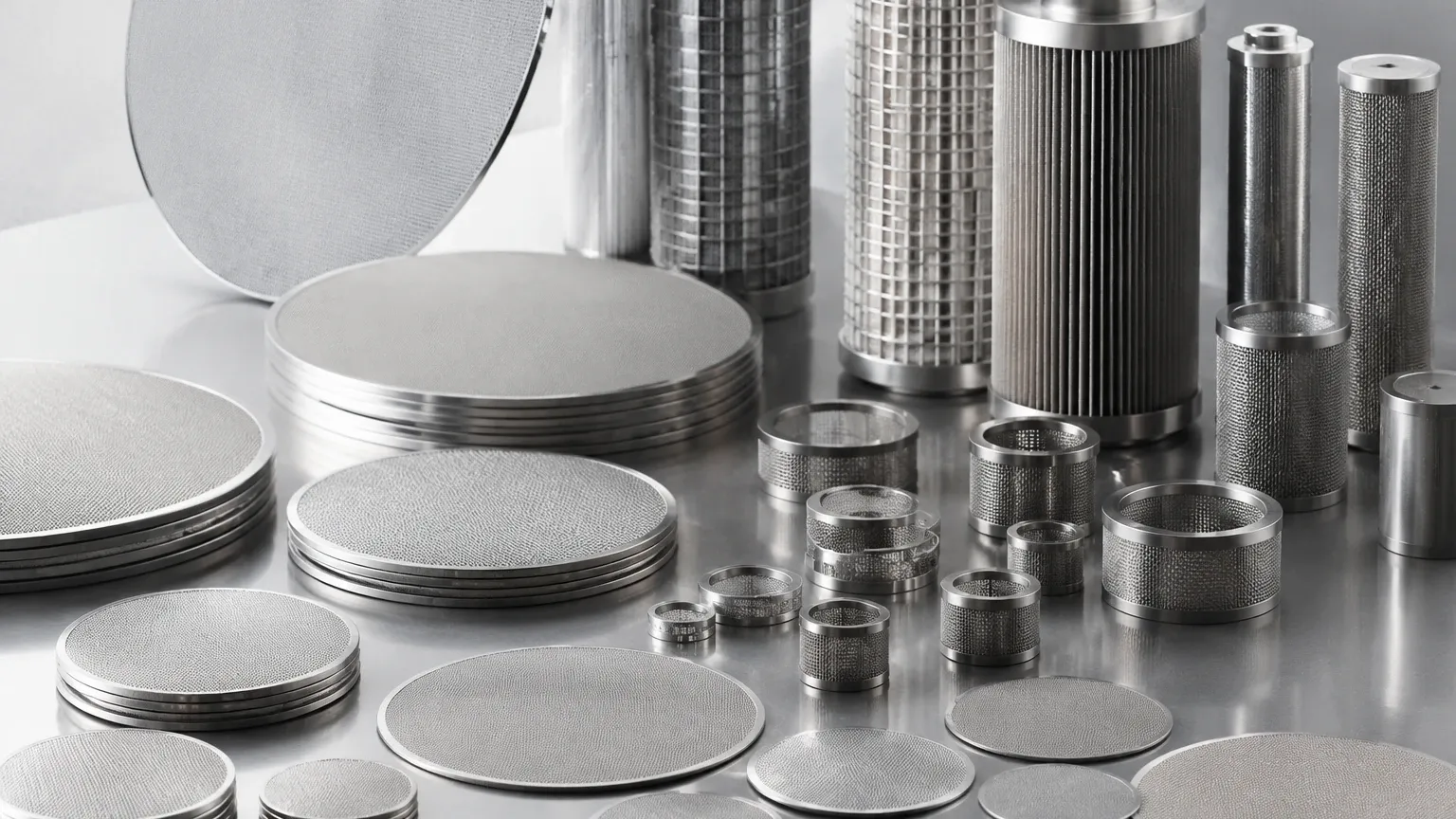
For many technical professionals, the "starter pack" concept in an industrial context refers to a diverse assortment of Filter Discs & Packs that vary in micron rating, material grade, and mesh structure. This approach mitigates the risk of system failure and ensures that the final filtration solution is optimized for both performance and longevity.
The Strategic Value of a Filter Starter Pack in Process Engineering
The primary objective of utilizing a filter starter pack is to bridge the gap between design specifications and real-world application performance. In many industrial environments, the fluid dynamics and contaminant profiles are unique to the specific facility or batch. A theoretical model might suggest a 20-micron filter, but actual testing may reveal that a 40-micron multilayer pack provides a better balance between throughput and pressure drop.
By testing various configurations found in a starter pack, engineers can identify the exact point of diminishing returns regarding filtration fineness. Over-filtering can lead to excessive pressure drops and frequent maintenance cycles, while under-filtering risks downstream equipment damage or product contamination. A starter pack facilitates the identification of the "sweet spot" in filtration efficiency, allowing for data-driven decisions during the prototyping phase.
Technical Components: Understanding Filter Discs & Packs
Central to any industrial filter starter pack are the discs and packs themselves. These components are typically manufactured from high-quality stainless steel wire mesh, though other alloys may be used depending on the application. Understanding the construction of these elements is critical for proper selection.
Single-Layer Filter Discs
Single-layer discs are the most basic form of filtration media. They are stamped from a single sheet of wire mesh and are primarily used in applications where the pressure differential is low and the contaminant load is manageable. In a starter pack, these are often included to test basic straining capabilities and to establish a baseline for flow resistance.
Multi-Layer Filter Packs
For more demanding environments, multi-layer Filter Discs & Packs are required. These consist of several layers of mesh—often including a fine filtration layer protected by coarser drainage or support layers—welded or bound together. The multi-layer structure provides significantly higher mechanical strength and can withstand higher back-pressure during cleaning cycles. A starter pack will typically include various combinations of these layers to help engineers determine the necessary structural integrity for their specific housing.
Material Science: Selecting the Right Alloys for Corrosive Environments
When evaluating a filter starter pack, material compatibility is a non-negotiable factor. Most industrial filter discs are fabricated from 300-series stainless steel, but the specific grade can drastically affect the lifespan of the component.
* Stainless Steel 304: This is the standard grade for many food and beverage or general industrial applications. It offers good corrosion resistance and is cost-effective for non-acidic environments.
* Stainless Steel 316L: For chemical processing or pharmaceutical applications involving chlorides or organic acids, 316L is the preferred choice. The addition of molybdenum enhances pitting resistance, making it suitable for aggressive media.
* High-Nickel Alloys: In extreme cases involving high temperatures or highly corrosive chemicals, specialized alloys like Hastelloy or Inconel may be required. While less common in a standard starter pack, these materials can be customized for specific testing requirements.
Engineers must confirm that the materials provided in their starter pack align with the chemical profile and temperature range of their process fluid to avoid premature failure or fluid contamination.
Engineering Metrics: Micron Rating, Porosity, and Pressure Drop
A filter starter pack allows for the practical measurement of three critical engineering metrics that define filtration performance. These metrics are often interrelated, and changing one will inevitably impact the others.
Micron Rating (Nominal vs. Absolute)
Testing different discs from a starter pack helps clarify the difference between nominal and absolute micron ratings in a specific application. A nominal rating indicates the ability to retain a percentage of particles of a certain size, while an absolute rating refers to the pore size that will block 100% of particles above that dimension. In many industrial processes, the actual retention rate varies based on flow velocity and particle shape, making physical testing indispensable.
Porosity and Flow Rate
Porosity refers to the open area of the filter mesh. Higher porosity generally leads to higher flow rates and lower initial pressure drops. However, it can also reduce the mechanical strength of the disc. By cycling through different mesh types in a starter pack—such as plain weave, twill weave, or Dutch weave—engineers can observe how the weave pattern influences the flow-to-strength ratio.
Pressure Drop (ΔP)
As a filter captures contaminants, the pressure drop across the media increases. A starter pack enables the calculation of the "clean" pressure drop and provides a window into the rate of blinding (clogging). This data is essential for sizing pumps and determining the necessary frequency of filter cleaning or replacement.
Manufacturing Standards and Quality Control for Industrial Filters
When transitioning from a filter starter pack to full production, the manufacturing quality of the Filter Discs & Packs becomes paramount. Low-quality components can introduce risks that far outweigh any initial cost savings. Key quality considerations include:
1. Edge Treatment: For multi-layer packs, the edges must be securely bound to prevent bypass and delamination. This can be achieved through spot welding, seam welding, or the use of aluminum or stainless steel rims (edge binding). A starter pack should demonstrate the manufacturer's capability in these finishing techniques.
2. Cleanliness: In pharmaceutical and food industries, the filters must be free of manufacturing oils, burrs, and loose wires. High-performance filters undergo ultrasonic cleaning and rigorous inspection to ensure they meet hygiene standards.
3. Dimensional Accuracy: Precision in the outer diameter (OD) and thickness is critical for ensuring a proper seal within the filter housing. Even a millimeter of deviation can lead to fluid bypass, rendering the filtration process ineffective.
Transitioning from Prototyping to Full-Scale Production
Once the testing phase with the filter starter pack is complete, the next step is scaling the solution for industrial operations. This transition requires a clear understanding of total cost of ownership (TCO) rather than just the initial purchase price. Factors such as the ease of cleaning, the number of possible reuse cycles, and the reliability of the supply chain play a major role in long-term profitability.
Customization is often necessary during this phase. While a starter pack provides standard sizes and configurations, a full-scale installation may require custom shapes, specific mounting hardware, or specialized layer sequences to optimize the filtration for a unique vessel design. Collaborating with a manufacturer that offers OEM services ensures that the lessons learned during the starter pack phase are accurately translated into the final product.
Conclusion: Confirming the Next Steps
For engineers and purchasing teams, a filter starter pack is more than just a collection of samples; it is a diagnostic tool that informs the entire filtration strategy. Before moving forward with a large-scale order, technical professionals should confirm the following:
* Application Compatibility: Have the materials and micron ratings been tested under actual operating temperatures and pressures?
* Scalability: Can the manufacturer produce the selected configuration in the required volumes while maintaining consistent quality?
* Certification: Does the manufacturer provide material certifications and quality assurance documentation for the final production run?
By systematically evaluating the components within a starter pack, organizations can ensure they are investing in Filter Discs & Packs that provide reliable, durable, and cost-effective performance in the most demanding industrial environments.
