


Aquarium Filter Socks
In the realm of industrial aquatic management—ranging from commercial aquaculture facilities and public aquaria to large-scale water treatment plants—mechanical filtration serves as the first line of defense against organic waste and particulate matter. Among the various tools available to engineers and system designers, aquarium filter socks are a fundamental component. While often associated with hobbyist setups, the industrial application of these filtration elements requires a rigorous understanding of material science, fluid dynamics, and long-term operational efficiency.
For technical professionals tasked with maintaining water quality, selecting the right filtration media is not merely a matter of convenience but a critical decision that impacts the health of aquatic life, the clarity of the water, and the overall maintenance budget of the facility. This guide explores the technical nuances of aquarium filter socks, focusing on their engineering specifications, material compositions, and the transition from disposable media to high-performance, custom-engineered metal filtration solutions.
The Role of Mechanical Filtration in Large-Scale Aquatic Systems
Mechanical filtration is the physical process of removing suspended solids from a liquid stream. In aquatic environments, these solids typically consist of uneaten food, detritus, decaying plant matter, and other organic byproducts. If left unmanaged, these particulates break down into ammonia and nitrites, placing an excessive burden on the biological filtration system.
Aquarium filter socks function as a mechanical barrier. As water passes through the porous structure of the sock, particles larger than the pore size are trapped. In industrial contexts, these socks are usually positioned at the point where water enters the sump or the primary treatment reservoir. By capturing large debris at the beginning of the filtration cycle, filter socks protect downstream components—such as protein skimmers, UV sterilizers, and sensitive pumps—from clogging or mechanical wear.
Technical Specifications: Micron Ratings and Flow Dynamics
The performance of aquarium filter socks is primarily defined by their micron rating. A micron (micrometer) is one-millionth of a meter. In the context of filtration, the micron rating indicates the size of the particles the media is capable of trapping.
* Fine Filtration (25–50 Microns): These socks provide exceptional water clarity by capturing very fine particulates. However, they are prone to rapid clogging, requiring frequent cleaning or replacement. In high-flow industrial systems, fine socks can lead to overflow issues if not monitored closely.
* Standard Filtration (100–150 Microns): This range is the industry standard for general mechanical filtration. It balances the need for water clarity with a reasonable operational window before maintenance is required.
* Coarse Filtration (200+ Microns): Used primarily in systems with high organic loading or as a pre-filter for more sensitive stages. Coarse socks allow smaller particles to pass through but can handle significantly higher flow rates and longer intervals between cleanings.
Engineers must calculate the total flow rate (GPH or LPH) of the system and ensure that the surface area of the filter socks can accommodate the volume without creating excessive backpressure. In many commercial designs, multiple socks are used in parallel to distribute the load and provide redundancy during maintenance cycles.
Material Selection: From Synthetic Fibers to Stainless Steel Mesh
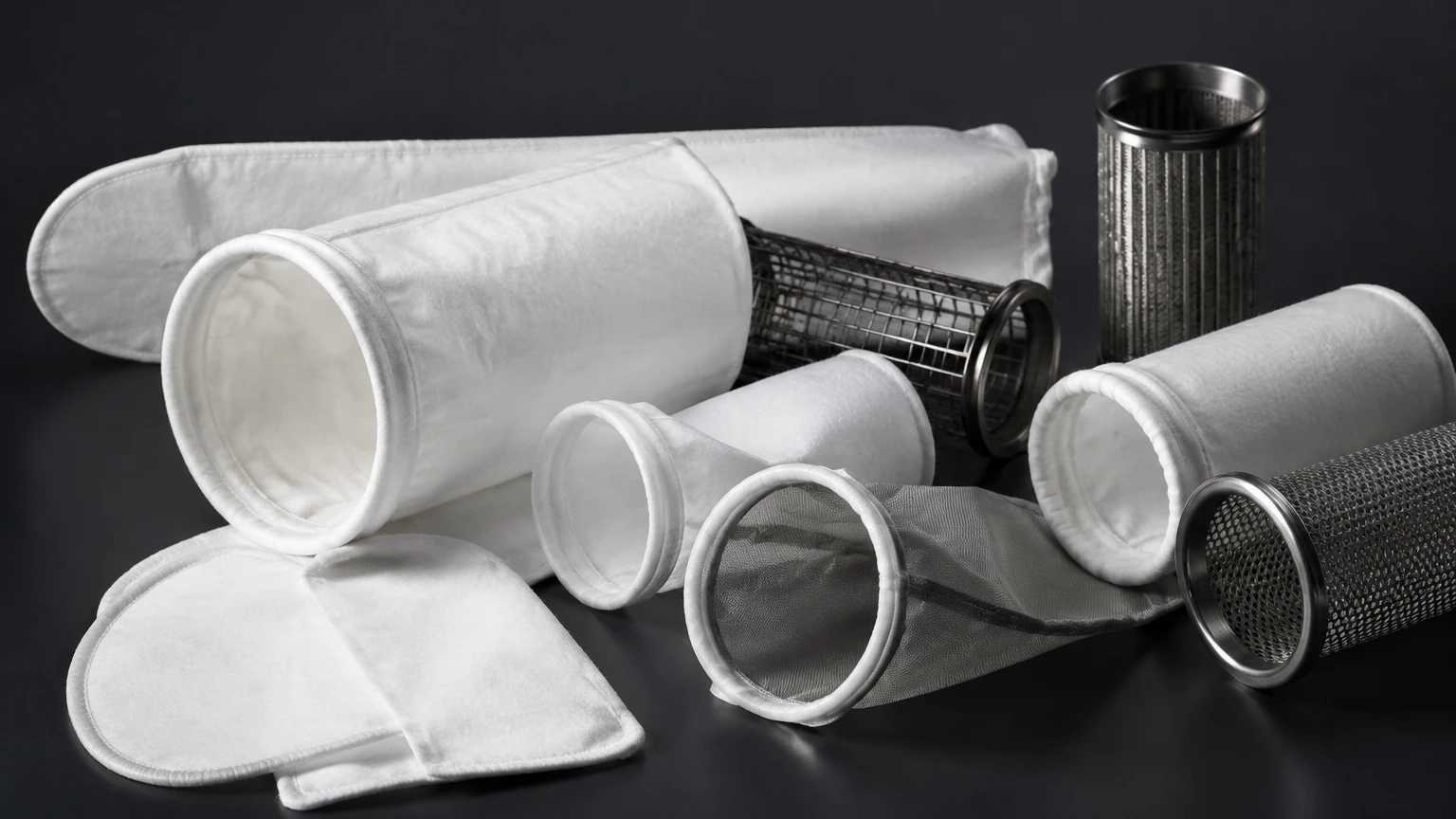
Traditionally, aquarium filter socks have been manufactured from synthetic materials such as felt or monofilament mesh. However, as the demand for durability and precision increases, many industrial operators are turning to stainless steel filtration components.
Synthetic Felt and Nylon
Felt socks are "depth" filters, meaning they trap particles within the thick weave of the material. They are excellent for achieving high clarity but are difficult to clean thoroughly. Nylon mesh socks, on the other hand, are "surface" filters. They trap particles on the surface of the weave, making them easier to wash but generally less effective at capturing the finest particulates.
The Case for Stainless Steel Filtration
In demanding industrial environments, synthetic socks often fail due to chemical degradation, high pressure, or physical wear. This is where professional manufacturers like Kaifil provide advanced alternatives. Stainless steel wire mesh filters offer several advantages over traditional fabric socks:
1. Durability: Stainless steel can withstand high-pressure environments and abrasive particulates that would tear synthetic fibers.
2. Chemical Resistance: For specialized aquatic applications involving chemical treatments or specific pH balances, stainless steel (particularly 316L grade) offers superior corrosion resistance.
3. Cleanability: Unlike felt, which can harbor bacteria and trapped organics even after washing, stainless steel mesh can be ultrasonically cleaned or backwashed, ensuring a sterile and fully restored filtration surface.
4. Fixed Pore Size: Synthetic fibers can stretch under pressure, increasing the effective micron rating. Stainless steel mesh maintains a rigid pore structure, ensuring consistent filtration performance throughout its service life.
For organizations looking to optimize their filtration hardware, reviewing the Main Page of a specialized manufacturer can provide insights into how custom-engineered metal components can replace or augment standard soft-media socks.
Engineering Considerations for Sump and Manifold Design
Integrating aquarium filter socks into a B2B or industrial aquatic system requires more than just hanging a bag over a pipe. Proper manifold design is essential to prevent bypass and ensure ease of maintenance.
Bypass Prevention
Bypass occurs when water finds a path around the filter media rather than through it. In many industrial sumps, filter socks are seated in precision-cut plates. If the fit is not tight, or if the sock becomes so clogged that the water level rises above the rim, unfiltered water will enter the system. High-end designs utilize locking rings or gasket-sealed baskets to ensure 100% of the water stream is processed.
Flow Velocity and Turbulence
High-velocity water entering a filter sock can cause turbulence, which may force trapped particles through the mesh or cause the sock to vibrate and wear prematurely. Designers often use silencer tubes or diffusion plates to slow the water velocity before it reaches the filter media, extending the life of the sock and improving capture efficiency.
Operational Challenges and Risk Management
While aquarium filter socks are effective, they introduce specific operational risks that must be managed by the facility's technical team:
* Nitrate Accumulation: Because filter socks trap organic waste in the water stream, the waste begins to decompose immediately. If the socks are not cleaned or replaced frequently (typically every 3 to 7 days), the decaying matter will contribute to a rise in nitrates and phosphates. In large-scale systems, this can lead to algae blooms or health issues for sensitive aquatic species.
* Overflow Hazards: A clogged sock is a blockage. Without a proper emergency overflow drainage system, a clogged filter sock can cause a sump to overflow, leading to significant water loss and potential equipment damage.
* Total Cost of Ownership (TCO): While disposable socks have a low initial cost, the labor required for frequent cleaning and the cost of constant replacements can be substantial. For many industrial facilities, investing in permanent, cleanable stainless steel filter cartridges or custom mesh baskets provides a better long-term ROI.
Customization and OEM Solutions
For many B2B applications, off-the-shelf aquarium filter socks are insufficient. Unique flow rates, specialized tank geometries, and specific filtration requirements often necessitate custom solutions. Manufacturers specializing in wire mesh and stainless steel filtration can produce custom-sized filter baskets, pleated cartridges, and reinforced mesh sleeves that function as permanent "socks."
When sourcing these components, it is vital to confirm the following with the manufacturer:
* Material Grade: Ensure the use of 304 or 316L stainless steel depending on the salinity of the water.
* Structural Support: For high-flow applications, the mesh may require a perforated metal internal support to prevent collapse.
* Connection Type: Custom flanges or threaded connections can be integrated to ensure a leak-proof fit within the existing infrastructure.
Conclusion: Selecting the Right Filtration Strategy
Aquarium filter socks remain a cornerstone of mechanical filtration due to their simplicity and effectiveness. However, for industrial and commercial applications, the focus must shift from simple particulate removal to system-wide efficiency and durability. By understanding the technical trade-offs between different micron ratings, materials, and designs, engineers can implement a filtration strategy that ensures optimal water quality while minimizing operational overhead.
Whether utilizing traditional synthetic media for light-duty applications or upgrading to precision-engineered stainless steel components for demanding environments, the goal remains the same: a clean, stable, and manageable aquatic ecosystem. For those seeking to explore high-performance filtration components tailored to specific industrial needs, consulting with a professional manufacturer is the most effective way to ensure that your filtration system meets the rigorous demands of modern aquatic management.
To learn more about industrial-grade filtration options and custom manufacturing capabilities, interested parties should visit the Main Page to review product specifications and application support for their specific filtration challenges.
