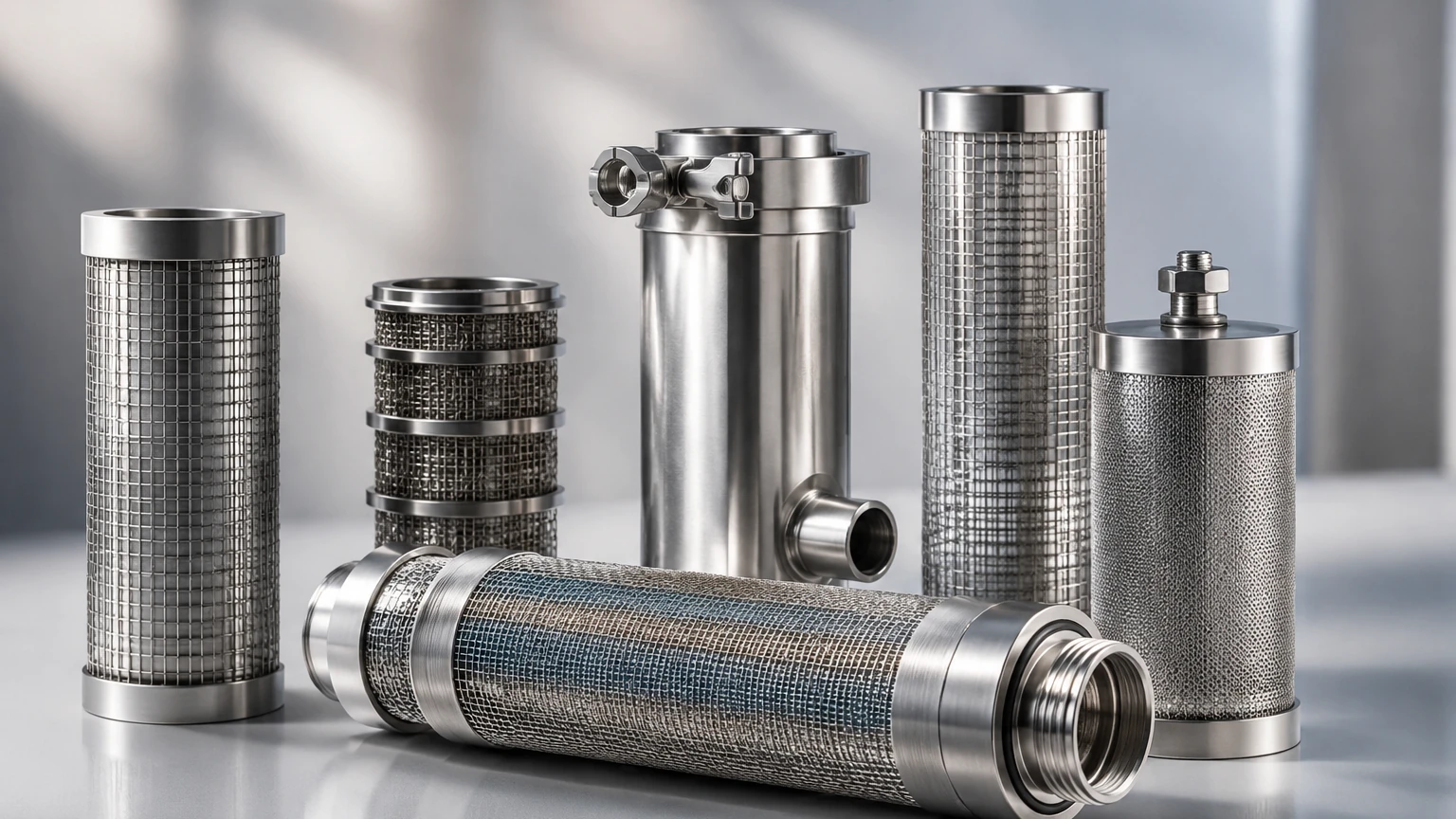
Automatic Self Cleaning Water Filters
In industrial water management, the transition from manual filtration to automated systems represents a significant shift toward operational efficiency and process stability. Automatic self cleaning water filters are engineered to provide continuous filtration without the need for manual intervention or system downtime. These systems are critical in environments where suspended solids must be removed from water sources to protect downstream equipment, ensure product quality, or comply with environmental regulations. For technical professionals and engineers, understanding the mechanics, material requirements, and selection criteria for these filters is essential for optimizing plant performance.
The Mechanics of Automatic Self-Cleaning Filtration
The primary advantage of automatic self cleaning water filters is their ability to maintain a constant flow while simultaneously cleaning the filter element. This is typically achieved through a monitoring system that detects the accumulation of debris. As particles are trapped on the internal screen, the pressure drop (differential pressure) across the filter increases. Once a pre-set threshold is reached—usually between 0.5 to 1.0 bar—the control system initiates a cleaning cycle.
There are two common mechanisms used for the cleaning process: suction scanning and mechanical brushing.
1. Suction Scanning: A scanner with multiple suction nozzles rotates across the inner surface of the filter screen. A flush valve opens to the atmosphere, creating a high-velocity suction effect at the nozzle tips. This localized vacuum pulls the accumulated debris off the screen and out through the waste line. This method is highly efficient as it uses a minimal amount of process water for cleaning.
2. Mechanical Brushing: In systems dealing with heavier or more adhesive solids, stainless steel brushes rotate against the screen surface. The brushes dislodge the particles, which are then flushed out through a blow-down valve. This is often preferred for high-viscosity fluids or applications with high organic loading.
By automating this process, facilities eliminate the labor-intensive task of removing and cleaning filter cartridges manually, which significantly reduces the risk of human error and mechanical damage during handling.
Engineering Criteria for Filter Selection
Selecting the appropriate automatic self cleaning water filters requires a detailed analysis of the specific application's parameters. Engineers must look beyond simple flow rates to ensure the system can handle the peak loads and particle characteristics of the process water.
Micron Rating and Particle Size Distribution
Filtration accuracy is defined by the micron rating. It is vital to distinguish between nominal and absolute ratings. In industrial water treatment, screens typically range from 10 microns to 3,000 microns. Selecting a micron rating that is too fine for the application will result in frequent cleaning cycles and premature wear, while a rating that is too coarse may fail to protect downstream components like high-pressure pumps or spray nozzles.
Flow Rate and Pressure Drop
The system must be sized for the maximum anticipated flow rate. A common engineering mistake is sizing the filter based on the pipe size rather than the actual flow dynamics. The "clean" pressure drop should be kept low (typically under 0.2 bar) to provide sufficient headroom for solids accumulation before the cleaning cycle is triggered.
Solids Loading and Type
The concentration of Total Suspended Solids (TSS) determines the frequency of the cleaning cycles. Inorganic solids like sand or scale are easier to remove than organic matter like algae or oils, which may require specialized screen coatings or aggressive cleaning mechanisms. Understanding the nature of the debris is critical for selecting the right filter mesh type, such as wedge wire or multi-layered sintered wire mesh.
The Role of Stainless Steel in Durable Filtration
Material selection is the cornerstone of filter longevity, especially in corrosive or high-temperature environments. Stainless steel is the industry standard for the internal components and housings of automatic self cleaning water filters due to its mechanical strength and resistance to oxidation.
Kaifil specializes in the manufacture of these high-performance components, utilizing advanced alloys to meet demanding industrial standards. For instance, SS304 is suitable for general water applications, while SS316L is required for seawater, brackish water, or chemical processing where chloride-induced pitting is a concern. The construction of the filter element itself—whether it is a perforated plate, a wedge wire screen, or a fine woven mesh—must be robust enough to withstand the mechanical stresses of the cleaning cycle. For engineers reviewing technical specifications and customized design options, the Kaifil Main Page serves as a primary resource for evaluating material compatibility and filtration performance.
Industrial Applications and Performance Expectations
Automatic self cleaning water filters are deployed across a wide range of sectors, each with unique performance requirements.
* Cooling Towers: These filters remove airborne contaminants and scale from cooling water loops, preventing the fouling of heat exchangers. By maintaining clean water, they improve heat transfer efficiency and reduce the need for chemical water treatments.
* Pre-filtration for Membrane Systems: Reverse Osmosis (RO) and Ultrafiltration (UF) membranes are sensitive to particulate fouling. Automatic filters act as a critical protective barrier, extending the life of expensive membranes and reducing the frequency of Chemical-In-Place (CIP) cycles.
* Food and Beverage Processing: In this sector, hygiene is paramount. Stainless steel filters with high-polish finishes ensure that process water meets safety standards while allowing for automated cleaning that adheres to strict sanitary protocols.
* Chemical and Petrochemical: Handling process water that may contain hydrocarbons or aggressive chemicals requires robust filtration. Automatic systems minimize operator exposure to potentially hazardous fluids by keeping the filtration process entirely enclosed.
In these applications, the expectation is not just particle removal, but system reliability. A failure in the filtration stage can lead to cascading equipment failures downstream, making the durability of the filter screen and the reliability of the control PLC paramount.
Maintenance and Operational Lifecycle
While automatic self cleaning water filters are designed to minimize manual labor, they are not maintenance-free. A proactive maintenance schedule ensures the longevity of the system and prevents unexpected downtime.
Key areas for inspection include:
* Seals and Gaskets: Over time, the seals on the flush valve and the scanner shaft may wear. Regular inspection prevents bypass and external leaks.
* Screen Integrity: While stainless steel screens are durable, high-velocity particles or debris like large stones can cause mechanical damage. Periodic visual inspections or monitoring of cleaning cycle frequency can indicate screen wear.
* Control System Calibration: The differential pressure sensors must be calibrated annually to ensure the cleaning cycle triggers at the correct setpoint.
One of the primary benefits of these systems is the reduction in consumable costs. Unlike bag or cartridge filters that must be replaced and disposed of, the permanent stainless steel elements in automatic filters can last for years, significantly lowering the environmental impact and the total cost of ownership.
Evaluating Total Cost of Ownership (TCO)
When comparing automatic self cleaning water filters to traditional manual systems, engineers must look at the Total Cost of Ownership (TCO) rather than just the initial capital expenditure (CAPEX).
1. Labor Savings: Manual filter cleaning can take hours of technician time per week. Automation reallocates this labor to more productive tasks.
2. Water Conservation: Modern suction-scanning filters use less than 1% of the total flow for the backwash cycle. This is significantly more efficient than traditional sand filters or manual rinsing.
3. Energy Efficiency: By maintaining a lower average pressure drop across the filter, the system reduces the load on feed pumps, leading to measurable energy savings over the life of the equipment.
4. Uptime: The ability to clean the filter while the process remains online is perhaps the most significant financial benefit, particularly in 24/7 manufacturing environments where an hour of downtime can cost thousands of dollars.
Conclusion: Confirming Technical Requirements
Before moving forward with a procurement or design phase, engineers should confirm several technical details with their filtration partner. This includes providing a full water analysis, defining the required flow rates under worst-case scenarios, and specifying the environmental conditions (such as outdoor installation or hazardous area classifications).
Customization is often necessary to integrate these filters into existing piping layouts or to meet specific industry certifications. As a manufacturer focused on precision metal filtration, Kaifil provides the engineering support needed to tailor these systems to specific industrial demands. For more information on product capabilities and custom stainless steel solutions, visit the Main Page to explore how advanced filtration technology can be integrated into your specific industrial application.