


Maple Syrup Filter Press
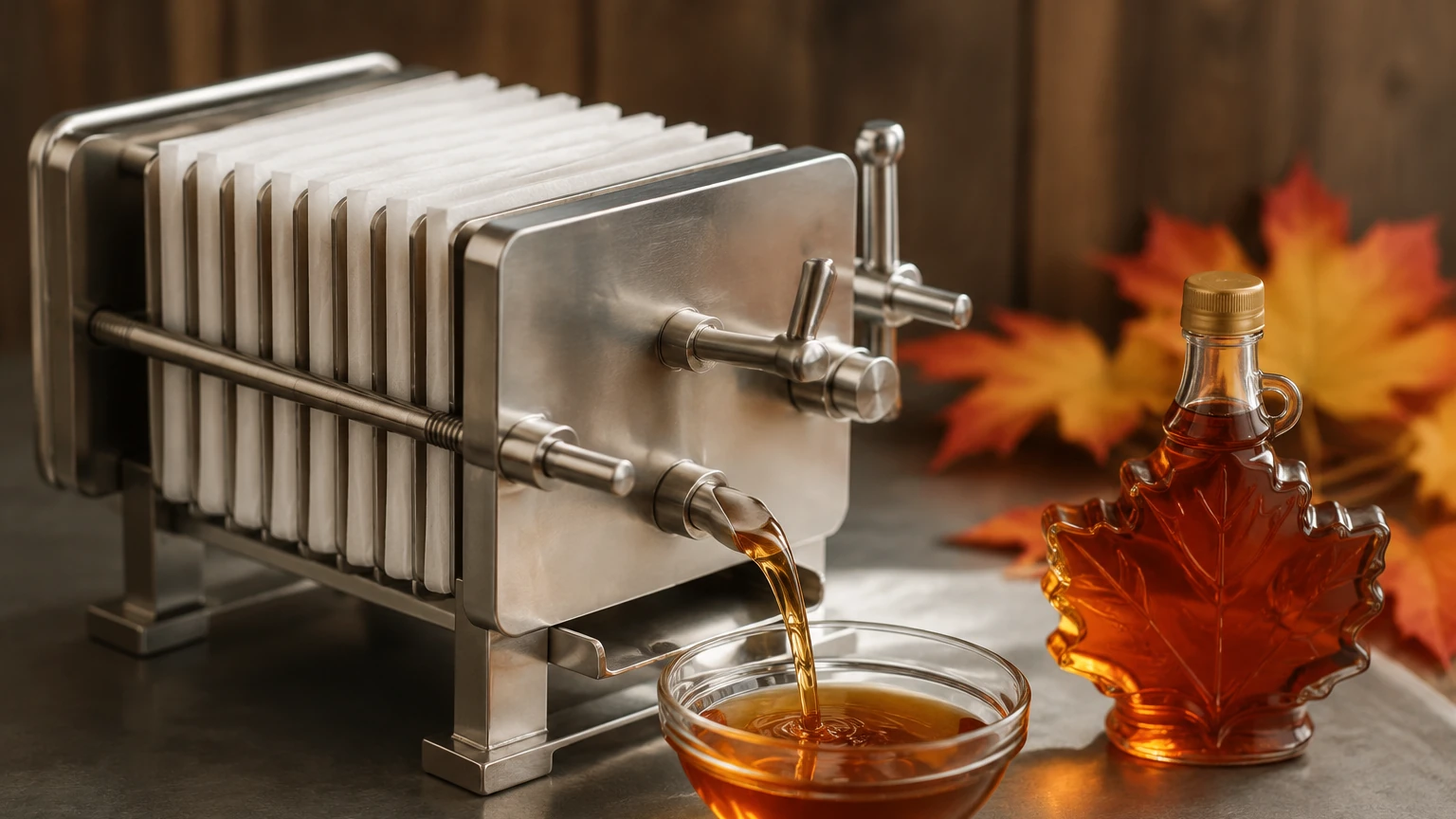
In the commercial production of maple syrup, the transition from a raw sap concentrate to a shelf-stable, crystal-clear product requires rigorous filtration. A maple syrup filter press is the industrial standard for achieving this clarity. Unlike gravity-fed felt bags, a filter press utilizes mechanical pressure to force hot syrup through a series of filter media, effectively removing suspended solids, mineral precipitates, and impurities. For engineers and facility managers, selecting the right filtration assembly involves understanding the interplay between thermal stability, material compatibility, and flow dynamics.
Industrial filtration components, such as those manufactured by Kaifil, play a critical role in these systems. High-quality stainless steel construction is essential for maintaining food safety standards and ensuring the equipment can withstand the high temperatures and pressures inherent in the syrup finishing process. To explore specific component specifications, technical professionals can visit the Main Page for detailed product data.
The Role of Pressure Filtration in Maple Syrup Production
The primary objective of using a maple syrup filter press is the removal of "sugar sand," or niter. Sugar sand consists primarily of calcium malate and other minerals that precipitate out of the sap as it is concentrated through evaporation. If left in the syrup, these minerals create a cloudy appearance and can affect the texture and shelf life of the final product.
Pressure filtration is significantly more efficient than atmospheric or gravity filtration. In a typical setup, a pump—often a diaphragm or gear pump—moves the syrup from the finishing pan into the filter press. The press consists of a series of plates and frames (or recessed plates) lined with filter paper or cloth. By applying pressure, the system can handle higher volumes of syrup in a shorter timeframe, which is vital during the peak of the sap season when processing speed directly impacts production capacity.
Engineering Components of an Industrial Filter Press
A maple syrup filter press is an assembly of several critical engineering components, each contributing to the overall efficiency of the system. Understanding these parts is essential for procurement and maintenance teams.
Filter Plates and Frames
In a traditional plate-and-frame design, the plates provide the structural support for the filter media, while the frames create the chambers where the solids (sugar sand) are collected. In modern industrial applications, stainless steel is the preferred material for these components. Stainless steel offers superior corrosion resistance compared to aluminum or cast iron, which is necessary because maple syrup is slightly acidic and processed at temperatures exceeding 200°F (93°C).
Filter Media and Aids
The filter media typically consists of food-grade paper or synthetic fabric. However, the true filtration often happens through a "filter cake" formed by a filter aid, such as food-grade diatomaceous earth (DE). The DE is mixed with the syrup before it enters the press. As the syrup passes through the filter paper, the DE builds up on the surface, creating a porous layer that traps even the finest particles of sugar sand without clogging the paper prematurely.
Manifolds and Seals
The manifold system directs the flow of syrup into and out of the individual chambers. Precision-engineered seals and gaskets are required to prevent leakage under pressure. For industrial maple syrup operations, high-temperature silicone or EPDM gaskets are commonly used to ensure a tight seal that remains flexible under thermal cycling.
Material Selection and Food Safety Standards
When specifying a maple syrup filter press, material selection is the most significant factor affecting both performance and regulatory compliance. The food and beverage industry requires materials that are non-reactive, non-toxic, and easy to sanitize.
Stainless Steel 304 vs. 316
Most industrial filter presses for maple syrup utilize Type 304 or Type 316 stainless steel. Type 304 is standard for many food applications due to its excellent balance of cost and corrosion resistance. However, Type 316 stainless steel, which contains molybdenum, offers enhanced resistance to chlorides and organic acids, making it a more durable choice for facilities that use aggressive cleaning agents or operate in environments where long-term pitting resistance is a priority.
Surface Finish and Cleanability
In an industrial environment, the surface finish of the metal components is as important as the alloy itself. Smooth, polished surfaces (often measured by Ra, or Roughness Average) prevent the buildup of sugar residues and bacteria. Kaifil’s expertise in precision metal filter components ensures that the internal surfaces of filtration assemblies meet the stringent requirements of hygienic design, facilitating thorough Cleaning-in-Place (CIP) or manual sanitation processes.
Technical Performance Parameters for Syrup Filtration
Engineers must evaluate several technical parameters to ensure the maple syrup filter press meets the production requirements of the facility.
1. Micron Rating: The target micron rating for maple syrup filtration is typically between 1 and 5 microns. This level of filtration ensures that even the smallest niter particles are captured, resulting in the "brilliant" clarity expected of Grade A syrup.
2. Flow Rate (GPH/LPH): The flow rate is determined by the total surface area of the filter plates and the capacity of the pump. A common benchmark for commercial operations is approximately 1 to 2 gallons per minute per square foot of filter area, though this varies based on the concentration of sugar sand in the batch.
3. Operating Pressure: Most maple syrup filter presses operate within a range of 20 to 60 PSI. Exceeding the recommended pressure can lead to "blow-through," where the filter cake is breached, allowing impurities to pass into the finished product.
4. Temperature Requirements: Syrup must be filtered while hot—ideally between 180°F and 210°F. If the syrup cools, its viscosity increases significantly, making it much harder to push through the filter media and increasing the risk of crystallization within the press.
Customization and Integration in Commercial Operations
No two maple syrup operations are identical, and customization is often required to integrate a filter press into an existing production line. OEM manufacturers like Kaifil provide the flexibility to design filtration components that fit specific spatial constraints or interface with specialized pumping systems.
Scalability
For growing operations, a modular filter press design allows for the addition of more plates and frames to increase capacity. This scalability ensures that the initial investment remains viable as production volumes grow. Engineers should look for systems that allow for easy expansion without requiring a complete overhaul of the manifold or support structure.
Connection Types
Industrial filter presses may use various connection types, including NPT threaded fittings, Tri-Clamp (sanitary) fittings, or flanged connections. Tri-Clamp fittings are highly recommended for maple syrup applications because they allow for quick disassembly for cleaning and meet international sanitary standards.
Maintenance, Cleaning, and Total Cost of Ownership
The total cost of ownership (TCO) for a maple syrup filter press extends beyond the initial purchase price. It includes the cost of consumables (filter paper and DE), labor for cleaning, and the longevity of the hardware.
Cleaning Protocols
After each production run, the filter press must be disassembled and cleaned. Stainless steel components are advantageous here because they can withstand high-pressure washing and caustic cleaning solutions without degrading. Ensuring that all internal passages are free of sugar residue is critical to prevent fermentation or bacterial growth during the off-season.
Replacement Cycles
While the stainless steel plates and frames are designed to last for decades, other components have shorter lifecycles. Gaskets and seals should be inspected annually for signs of thermal degradation or hardening. The filter media is typically a single-use consumable, though some high-end synthetic cloths can be laundered and reused if handled according to the manufacturer's specifications.
Efficiency Gains
Investing in a high-performance filter press reduces syrup loss. Inefficient filtration methods often leave a significant amount of syrup trapped in the filter dregs. A well-engineered press minimizes this "hold-up volume," ensuring that the maximum amount of finished syrup reaches the bottling line, which directly improves the bottom-line profitability of the operation.
Conclusion
For industrial maple syrup producers, the filter press is an indispensable tool that bridges the gap between raw concentrate and a premium consumer product. By focusing on high-quality materials like stainless steel, adhering to precise micron ratings, and selecting a system that offers scalability and ease of maintenance, engineers can ensure consistent product quality and operational efficiency. Choosing a partner with deep expertise in custom filtration solutions, such as Kaifil, allows for the development of systems tailored to the unique demands of the food and beverage industry. For more information on industrial filtration components and customized engineering support, professionals are encouraged to review the technical resources available on the Main Page.
