


Baghouse Dust Collection Systems
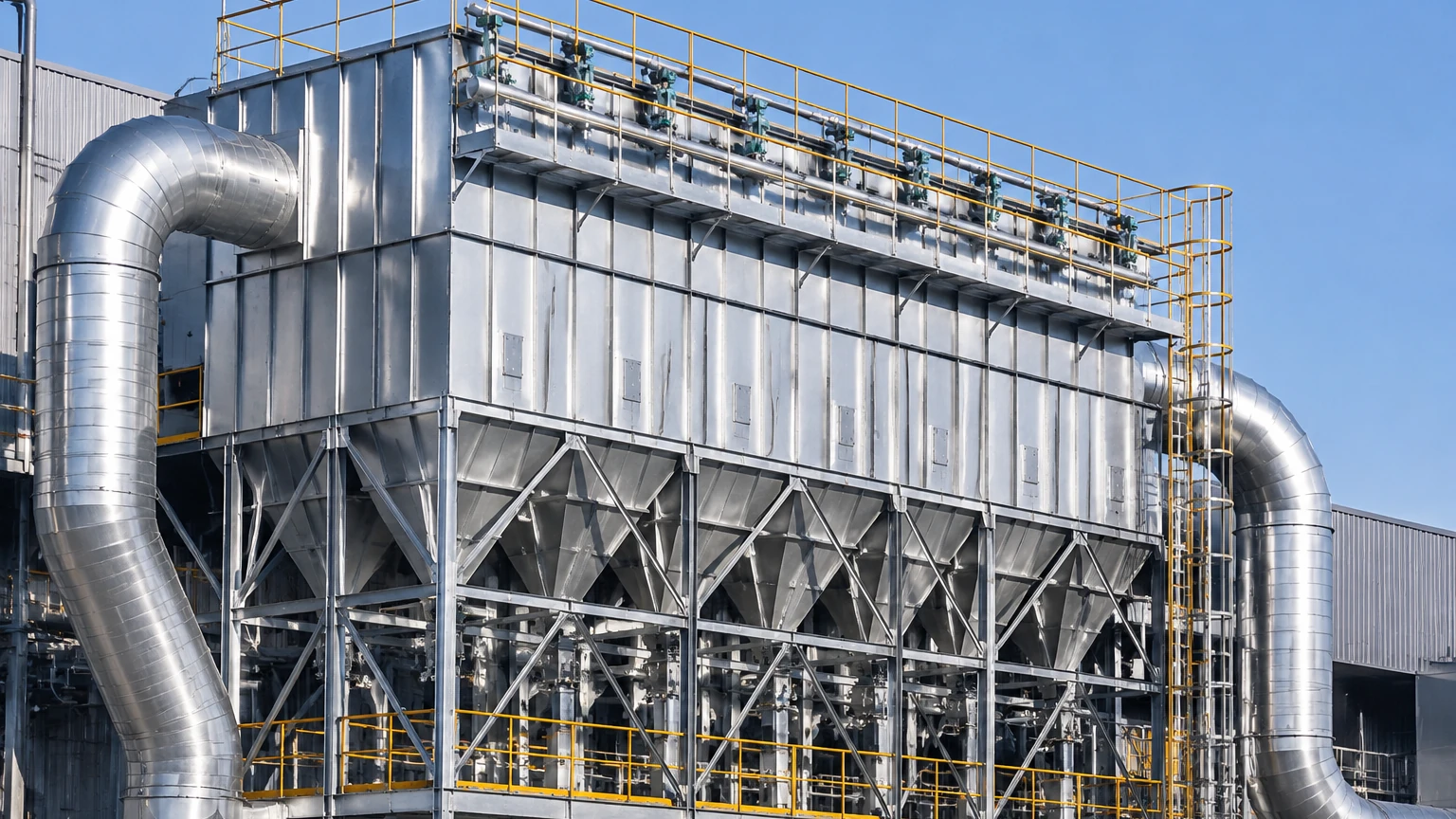
In industrial manufacturing, maintaining air quality and managing particulate matter are critical for both regulatory compliance and operational efficiency. Baghouse dust collection systems represent one of the most reliable and versatile technologies for capturing airborne contaminants across various sectors, including chemical processing, food production, and metal fabrication. These systems function as large-scale air pollution control devices, designed to handle high volumes of dust-laden gas by filtering particulates through specialized media.
Selecting the right configuration for industrial filtration requires a deep understanding of the mechanical principles, material science, and environmental variables involved. For engineers and procurement teams, the goal is to balance initial capital expenditure with long-term durability and filtration precision. To explore a wide range of industrial filtration components and customized metal filter solutions, technical professionals can refer to the Main Page for detailed product specifications.
Fundamentals of Baghouse Dust Collection Systems
At its core, a baghouse dust collection system operates by drawing dust-saturated air from a process point through a series of filter bags or cartridges. As the air passes through the filter media, dust particles are trapped on the surface or within the structure of the media, while clean air is exhausted. The efficiency of these systems is often measured by their ability to capture sub-micron particles, often reaching efficiencies of 99% or higher.
There are several primary designs for baghouse dust collection systems, categorized largely by how the filter media is cleaned. Understanding these mechanisms is essential for determining which system fits a specific industrial application.
Pulse-Jet Systems
Pulse-jet baghouses are the most common in modern industrial settings. They use a high-pressure burst of compressed air to clean the filter bags. This pulse creates a shockwave that travels down the length of the bag, flexing the media and dislodging the accumulated dust cake. Because cleaning occurs while the system is online, pulse-jet systems offer continuous operation and high throughput.
Shaker Systems
In a shaker baghouse, the tops of the bags are attached to a motorized shaking mechanism. Periodically, the airflow is stopped, and the mechanism vibrates the bags to release the dust. These systems are generally simpler in design but require the system to be offline or compartmentalized during the cleaning cycle.
Reverse Air Systems
Reverse air systems utilize a low-pressure fan to blow air in the opposite direction of the normal filtration flow. This gently collapses the bags, causing the dust cake to crack and fall into the hopper. These are typically used for large-scale applications where the dust is fragile or the filter media is delicate.
Engineering Considerations for High-Performance Filtration
When designing or specifying baghouse dust collection systems, several engineering variables must be calculated to ensure the system performs as expected under load. Failure to account for these factors often leads to premature filter failure, excessive energy consumption, or non-compliance with emission standards.
Gas-to-Cloth Ratio
The gas-to-cloth (G/C) ratio, also known as the filtration velocity, is the ratio of the volume of air entering the baghouse to the total surface area of the filter media. A lower G/C ratio generally results in higher filtration efficiency and longer bag life, but it requires a larger physical footprint for the baghouse. High G/C ratios can lead to "blinding" of the filters, where particles become deeply embedded in the media and cannot be removed by standard cleaning cycles.
Particle Characteristics
The size, shape, and abrasiveness of the dust particles dictate the choice of filter media. Fine, spherical particles may require membrane-coated filters or sintered metal media to prevent penetration, while abrasive particles necessitate durable materials that can withstand mechanical wear.
Temperature and Chemical Compatibility
Industrial processes often involve high-temperature exhaust or corrosive gases. Standard polyester or aramid bags have thermal limits that, if exceeded, will lead to rapid degradation. In environments involving acidic or alkaline vapors, the chemical resistance of the filter media and the internal support cages is paramount.
The Advantage of Stainless Steel Filter Media in Harsh Environments
While fabric bags are suitable for many standard applications, extreme industrial environments often demand the durability of metal. Stainless steel wire mesh and sintered metal filter components are increasingly integrated into baghouse dust collection systems where traditional textiles fail.
High-Temperature Resistance
Stainless steel filters can operate at temperatures far exceeding the limits of synthetic fibers. This is critical in applications like smelting, cement production, and chemical incineration, where exhaust temperatures can reach several hundred degrees Celsius. Using metal media eliminates the need for expensive cooling systems prior to filtration.
Corrosion and Chemical Stability
In chemical processing and pharmaceutical manufacturing, the presence of solvents or reactive gases can dissolve standard filter bags. Utilizing 304 or 316L stainless steel provides the necessary inertness to maintain structural integrity over thousands of cleaning cycles. Furthermore, metal filters are less prone to moisture-related issues, such as "mudding," where damp dust creates an impermeable layer on fabric bags.
Precision and Customization
Metal filtration components allow for precise control over pore size and permeability. Custom-engineered wire mesh can be tailored to specific micron ratings, ensuring that the baghouse dust collection systems meet strict particulate matter (PM) standards without sacrificing airflow. For specialized OEM requirements, manufacturers like Kaifil provide precision-engineered metal components that integrate seamlessly into existing baghouse architectures.
Evaluating Filtration Efficiency and Pressure Drop
A critical metric for any engineer managing a baghouse is the differential pressure (DP). This is the difference in pressure between the dirty side and the clean side of the filters.
1. Initial Pressure Drop: The resistance of the clean filter media itself.
2. Operating Pressure Drop: The resistance caused by the accumulated dust cake. A stable dust cake actually improves filtration efficiency, but if the cake becomes too thick, the DP rises, forcing the fan to work harder and increasing energy costs.
3. Terminal Pressure Drop: The point at which the filters are considered "blinded" and must be replaced.
By selecting high-quality filter media with optimized permeability, operators can maintain a lower average DP, leading to significant energy savings over the life of the system. In many cases, upgrading to precision metal mesh or high-performance cartridges can reduce the frequency of cleaning pulses, further extending the mechanical life of the system components.
Maintenance Strategies and Replacement Cycles
Proactive maintenance is the most effective way to minimize the total cost of ownership for baghouse dust collection systems. A well-maintained system prevents unplanned downtime and ensures that the facility remains in compliance with environmental regulations.
Inspection Protocols
Regular inspections should focus on the integrity of the seals, the tension of the bags (in shaker systems), and the functionality of the pulse valves. Leak detection is often performed using fluorescent powders that pass through holes in the filters and glow under UV light on the clean side of the baghouse.
Managing the Dust Cake
While the cleaning system is designed to remove dust, it is important not to over-clean. Over-cleaning removes the primary dust cake that assists in capturing fine particulates. Modern baghouse controllers use "cleaning on demand," which only triggers a cleaning cycle when the differential pressure reaches a specific set point.
Replacement Planning
Filter life varies significantly based on the application. While fabric bags might last 1 to 3 years in a typical environment, stainless steel components can last much longer, often paying for themselves through reduced replacement frequency and lower labor costs. Engineers should track DP trends over time; a steady increase in the "baseline" DP after cleaning indicates that the filters are reaching the end of their service life.
Custom OEM Solutions for Industrial Baghouses
Every industrial facility has unique constraints, whether it is limited floor space, specific airflow requirements, or unique particulate characteristics. Standard off-the-shelf filtration units often require modification to achieve peak performance.
Customization options for baghouse components include:
* Custom Dimensions: Tailoring filter cages and cartridges to fit non-standard baghouse housings.
* Material Selection: Choosing specific alloys like 316L or Monel for specialized chemical resistance.
* Support Structures: Engineering heavy-duty cages to prevent bag collapse in high-vacuum systems.
* Integrated Filtration Media: Combining different layers of wire mesh to achieve a balance between fine filtration and structural rigidity.
Working with a manufacturer that understands the nuances of metal filtration allows procurement teams to develop solutions that are specifically optimized for their process conditions. This collaborative approach ensures that the baghouse dust collection systems are not just functional, but are an asset to the production line's efficiency.
Conclusion
Baghouse dust collection systems are essential infrastructure for modern industry, providing the necessary filtration to protect workers, equipment, and the environment. The transition from general-purpose filtration to high-performance, application-specific solutions requires a thorough evaluation of operating temperatures, chemical environments, and particulate loads.
By prioritizing durable materials like stainless steel and focusing on engineering fundamentals such as gas-to-cloth ratios and differential pressure management, facilities can achieve superior air quality and lower operational costs. For those seeking technical guidance or specialized filtration components, the Main Page offers a gateway to professional manufacturing expertise and customized industrial filtration solutions. Investing in the right filtration technology today ensures a more resilient and compliant industrial operation for the future.
