


Baghouse Filtration
Baghouse filtration remains one of the most critical processes in industrial air pollution control and dust collection. Often referred to as fabric filters, baghouses are engineered to remove particulate matter from gas streams in diverse sectors, including chemical processing, power generation, and metal fabrication. For engineers and procurement teams, selecting the right filtration system involves a deep understanding of gas chemistry, temperature fluctuations, and the physical properties of the dust being captured.
While traditional baghouses often utilize fabric media, the evolution of industrial requirements—specifically in high-temperature and corrosive environments—has led to the increased adoption of stainless steel filter components and precision metal mesh. Understanding the technical nuances of baghouse filtration is essential for maintaining regulatory compliance and optimizing the total cost of ownership.
Understanding the Mechanics of Baghouse Filtration
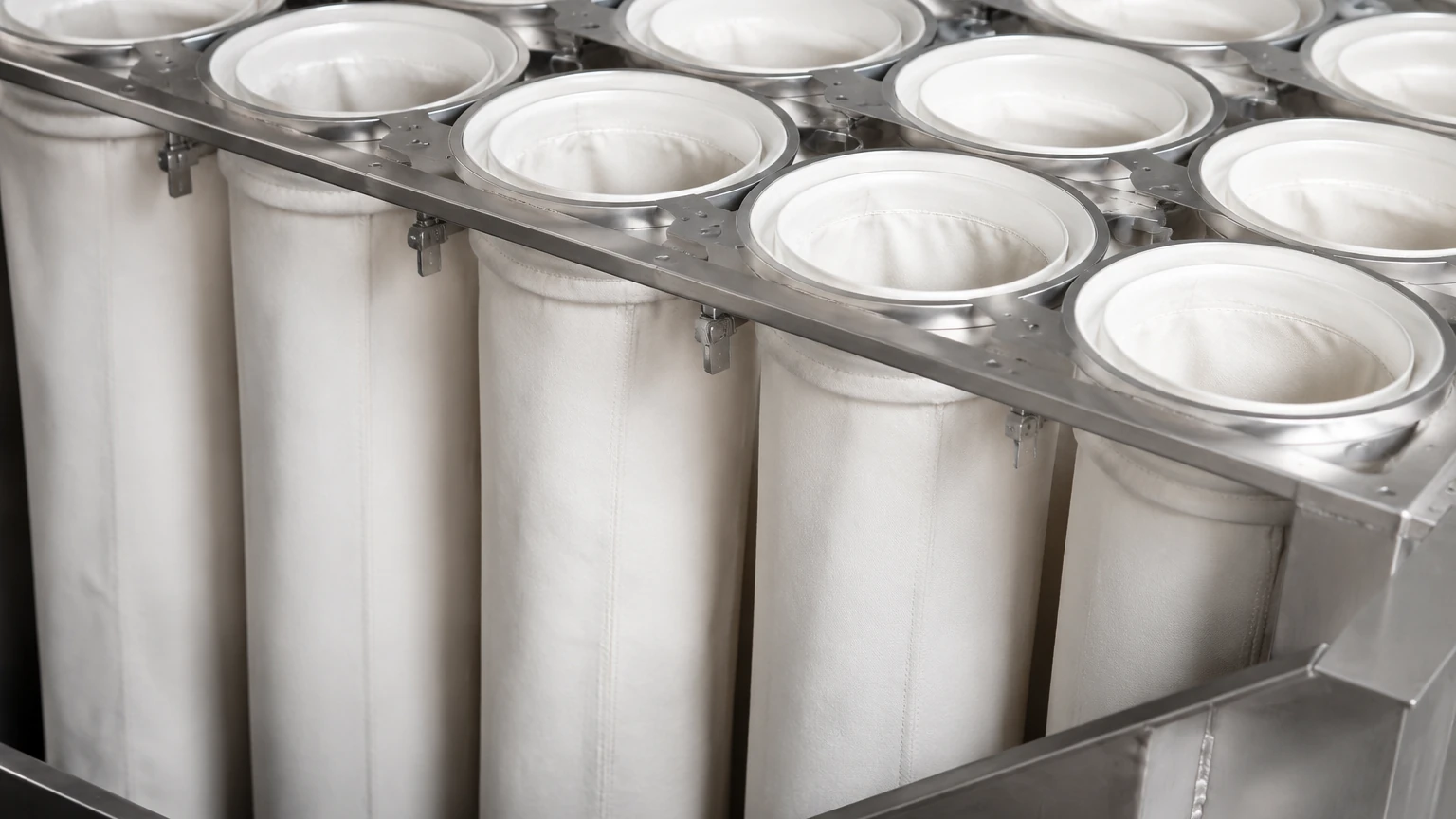
At its core, a baghouse functions by drawing dust-laden air through a series of filter bags or cartridges. The particulate matter is trapped on the surface or within the depth of the media, while the cleaned air is exhausted. The efficiency of this process is governed by several physical mechanisms:
1. Inertial Impaction: Larger particles, unable to follow the gas streamlines around the filter fibers, strike the media and become trapped.
2. Interception: Mid-sized particles follow the streamlines but come close enough to the fiber surface to be captured.
3. Diffusion: Very fine particles (typically sub-micron) move erratically due to Brownian motion, increasing their likelihood of contacting the filter media.
4. Sieving: Once a primary layer of dust—known as a dust cake—builds up on the media, it acts as a secondary filter, capturing particles smaller than the actual pores of the filter material.
In many industrial settings, the structural integrity of the filter support is as vital as the media itself. For more information on specialized metal filtration components that support these processes, you can visit our Main Page.
Key Engineering Considerations for Filter Selection
When designing or retrofitting a baghouse filtration system, engineers must evaluate several technical parameters to ensure long-term reliability and performance.
Air-to-Cloth Ratio
The air-to-cloth (A/C) ratio, also known as the filtration velocity, is the ratio of gas volume flow (CFM) to the total active filter area (sq. ft.). A low A/C ratio generally leads to higher efficiency and longer filter life but requires a larger, more expensive housing. Conversely, a high A/C ratio can lead to excessive pressure drop and premature wear of the filter media. Finding the optimal balance is critical for energy efficiency.
Pressure Drop (Differential Pressure)
Pressure drop ($ΔP$) is the resistance to airflow through the system. As the dust cake builds, $ΔP$ increases. If the pressure drop becomes too high, the system's fan must work harder, consuming more energy and potentially reducing the suction at the source. Monitoring $ΔP$ is the primary method for determining when a cleaning cycle should be initiated.
Temperature and Chemical Compatibility
Standard polyester or aramid bags have strict temperature limits. In applications involving flue gas or chemical reactors, temperatures often exceed 500°F (260°C). In these scenarios, stainless steel wire mesh filters or sintered metal cartridges are preferred. These metal components offer superior resistance to thermal shock and chemical degradation from acidic or alkaline gas streams.
Cleaning Mechanisms in Baghouse Systems
The method used to remove the accumulated dust cake defines the type of baghouse. Each method places different mechanical stresses on the filtration components.
* Pulse-Jet Cleaning: This is the most common modern method. Short bursts of high-pressure compressed air are shot down the length of the filter, causing the media to expand rapidly and shed the dust cake. This requires a rigid internal support, often a stainless steel cage, to prevent the bag from collapsing during normal operation.
* Shaker Baghouses: The top of the bag is mechanically shaken to dislodge dust. This method is generally used for intermittent operations and requires heavier, more durable media to withstand the mechanical agitation.
* Reverse-Air Cleaning: A secondary fan blows clean air in the opposite direction of the normal flow, gently collapsing the bag and causing the dust to fall into the hopper. This is typically used in large-scale utility applications where gentle cleaning is required to preserve fragile media like fiberglass.
The Role of Stainless Steel in High-Performance Filtration
In demanding industrial environments, standard fabric media often fail due to abrasion, chemical attack, or extreme heat. This is where precision-engineered metal filtration solutions become indispensable. Stainless steel 304 and 316L are the industry standards for these applications due to their durability and ease of cleaning.
Stainless steel wire mesh filters provide a fixed pore structure, ensuring consistent filtration accuracy that does not degrade over time. Unlike fabric bags, which can stretch or tear, metal filter cartridges maintain their geometric stability under high pressure. This is particularly important in hydraulic and chemical processing applications where bypass or media migration could contaminate the downstream process.
Furthermore, metal filters are often cleanable and reusable. While the initial capital expenditure for a stainless steel filter may be higher than a disposable fabric bag, the reduction in replacement frequency and disposal costs often results in a lower total cost of ownership over the equipment's lifespan.
Common Operational Risks and Mitigation
Even a well-designed baghouse filtration system can encounter performance issues. Identifying these risks early is key to preventing unscheduled downtime.
Filter Blinding
Blinding occurs when the pores of the filter media become permanently clogged, often due to moisture or oils in the gas stream. When moisture mixes with dust, it creates a "mud" that cannot be removed by standard cleaning pulses. Mitigation involves maintaining the gas temperature above the dew point and ensuring that compressed air used for cleaning is dry and oil-free.
Abrasion and Mechanical Wear
High-velocity dust particles can act like sandpaper, wearing down the filter media near the inlet. Engineers often install baffle plates or use reinforced stainless steel mesh in high-wear areas to redirect the flow and protect the primary filtration elements.
Chemical Degradation
In chemical processing, gases may contain trace amounts of hydrofluoric acid, sulfur oxides, or other corrosives. Selecting the correct alloy—such as 316L stainless steel for better pitting resistance—is essential to prevent the structural failure of the filter supports and cages.
Evaluating Total Cost of Ownership (TCO)
When purchasing filtration components, looking beyond the initial price tag is vital. A comprehensive TCO analysis includes:
* Replacement Frequency: How many times per year must the filters be replaced?
* Energy Consumption: How much does the pressure drop contribute to the facility's electricity bill?
* Labor Costs: What is the cost of the man-hours required for filter change-outs?
* Disposal Costs: Are the used filters considered hazardous waste? (Metal filters can often be recycled, whereas contaminated fabric bags must be landfilled).
* Production Downtime: What is the hourly cost of a production halt during a filter failure?
By investing in high-quality, customized stainless steel filtration solutions, many facilities can extend their maintenance cycles from months to years, significantly improving operational efficiency.
Technical Confirmation Before Procurement
Before finalizing a purchase or design for baghouse filtration components, technical teams should confirm the following data points with their manufacturer:
1. Particle Size Distribution (PSD): Knowing the exact micron range of the dust ensures the correct mesh or media selection.
2. Gas Composition: Identify any corrosive elements or high moisture content that would necessitate specific stainless steel grades.
3. Operating vs. Surge Temperatures: Ensure the media can handle occasional temperature spikes without losing structural integrity.
4. Flange and Housing Dimensions: For OEM replacements, precise measurements are critical to ensure a leak-proof seal.
5. Cleaning System Specifications: The pulse pressure and frequency must be matched to the mechanical strength of the filter media.
By focusing on these technical boundaries, engineers can implement a baghouse filtration strategy that not only meets environmental standards but also supports the long-term reliability of the industrial process.
