


Ether Foam
In the landscape of industrial filtration and material engineering, polyether-based polyurethane foam—commonly referred to as ether foam—occupies a critical niche. Known for its specific chemical resilience and structural versatility, ether foam serves as a foundational component in applications ranging from HVAC pre-filtration to medical device components and acoustic insulation. For engineers and procurement professionals, understanding the technical nuances of ether foam, particularly its distinction from polyester-based foams and its performance limits compared to permanent metal filtration solutions, is essential for optimizing system longevity and efficiency.
As a technical resource focused on industrial filtration, we analyze the properties of ether foam through the lens of engineering requirements. While Kaifil specializes in high-precision stainless steel filtration, many industrial systems utilize ether foam as a primary stage or specialized barrier. This guide details the chemical structure, filtration capabilities, and selection criteria for ether foam in B2B environments.
The Chemical Foundation: Polyether vs. Polyester
Polyurethane foams are broadly categorized into two families based on the polyol used in their manufacture: polyether and polyester. The choice between them is rarely arbitrary; it is dictated by the environmental conditions of the application.
Hydrolytic Stability
The most significant advantage of ether foam is its superior hydrolytic stability. The ether linkage (C-O-C) is inherently more resistant to breakdown by water and humidity than the ester linkage. In environments where the material is frequently exposed to moisture, steam, or high humidity, polyester foams undergo a process called "hydrolysis," where the chemical bonds break down, causing the foam to crumble or turn into a sticky residue. Ether foam remains stable in these conditions, making it the standard choice for water filtration pre-filters, outdoor equipment, and humid industrial processing plants.
Chemical Resistance
While ether foam excels in wet environments, it offers different chemical resistance profiles than its ester counterparts. Ether foams generally show better resistance to weak acids and bases. However, they are more susceptible to swelling or degradation when exposed to certain hydrocarbons and oils compared to polyester foams. Engineers must evaluate the specific chemical footprint of their process fluid before specifying a foam type.
Reticulation and Filtration Performance
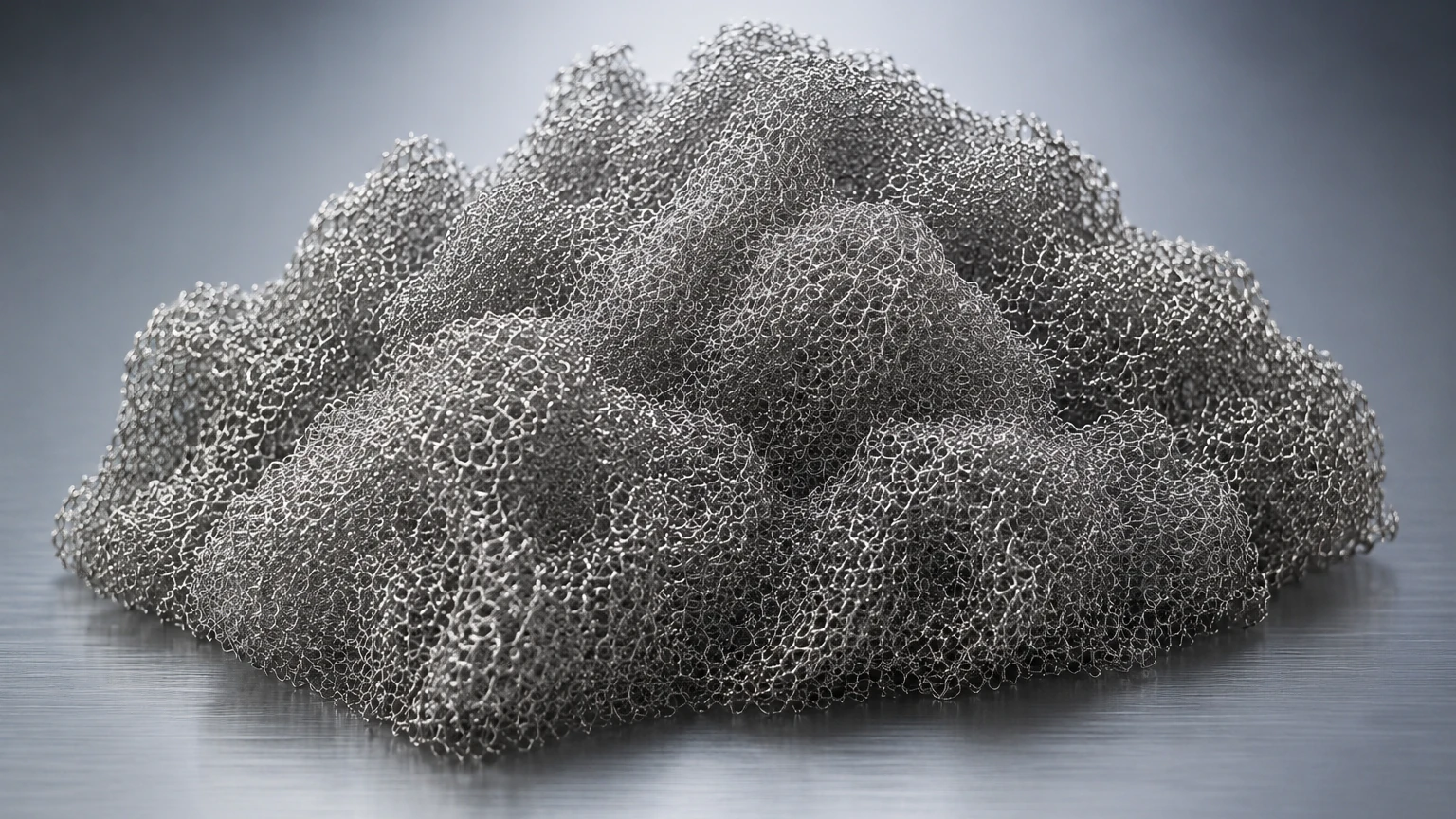
For a foam to function effectively as a filter, it must undergo a process called reticulation. In its raw state, polyurethane foam contains "windows" or membranes between the structural struts of the cells. Reticulation involves removing these membranes to create a completely open-cell structure.
The Reticulation Process
Most industrial ether foam is reticulated using a thermal method, often called "zapping." The foam is placed in a vacuum chamber filled with a combustible gas mixture. Upon ignition, a controlled flash-fire consumes the thin cell membranes without damaging the thicker structural struts. The result is a highly porous, 3D skeletal structure that allows for high fluid flow with minimal pressure drop.
Pores Per Inch (PPI)
Filtration efficiency in ether foam is measured in Pores Per Inch (PPI). Standard industrial grades typically range from 10 PPI (very coarse) to 100 PPI (very fine).
* 10–30 PPI: Used for high-velocity air filtration, heavy dust loading, and as a support medium for other filter stages. These grades offer the lowest pressure drop.
* 45–60 PPI: Common in general HVAC applications and small engine air intakes. They provide a balance between particle capture and airflow.
* 80–100 PPI: Utilized for fine mist elimination and high-efficiency gas filtration. These grades have a significantly higher surface area but require more frequent monitoring of pressure differentials.
Key Evaluation Criteria for Industrial Applications
When selecting ether foam for a B2B application, engineers should look beyond basic dimensions and focus on technical performance metrics that impact the total cost of ownership.
1. Density and Compression Set
Density (typically measured in pounds per cubic foot) influences the mechanical strength of the foam. A higher density ether foam will generally resist compression better over time. The "compression set" is a measure of the foam's ability to return to its original thickness after being compressed for a specific period. In gasket or seal applications within filtration housings, a low compression set is vital to prevent bypass leaks.
2. Tensile Strength and Elongation
In high-flow environments, the foam is subjected to significant mechanical stress. Tensile strength indicates the force required to tear the foam, while elongation measures how much it can stretch before breaking. High-quality ether foam used in industrial scrubbing or heavy-duty air intake systems must possess sufficient tensile strength to prevent the structural struts from fracturing and migrating downstream into sensitive equipment.
3. Temperature Limits
Ether foam is generally rated for continuous use at temperatures up to 200°F (93°C). Beyond this point, the polymer begins to soften and lose its structural integrity. For applications involving high-temperature flue gases or steam sterilization, engineers often transition from foam to stainless steel mesh or sintered metal components, which can withstand much higher thermal loads. You can Review product options and application support for high-temperature alternatives on our Main Page.
Common Risks and Failure Modes
Despite its versatility, ether foam is not a "set and forget" material. Several factors can lead to premature failure in an industrial setting:
* UV Degradation: Most polyurethane foams are sensitive to ultraviolet light. Prolonged exposure to sunlight or high-intensity UV lamps (often used in water treatment) can cause the foam to yellow, become brittle, and eventually disintegrate. If the application involves UV exposure, light-stabilized grades or protective housings are required.
* Oxidation: While ether foam resists water, it can be sensitive to strong oxidizing agents like ozone or concentrated chlorine. In water treatment applications, the concentration of these chemicals must be monitored to ensure they do not exceed the foam's tolerance thresholds.
* Particulate Loading: Because foam is a depth-loading medium, particles are trapped throughout the thickness of the material. Once the internal structure is saturated, the pressure drop increases exponentially. Unlike metal filters, which can often be backwashed or ultrasonically cleaned, foam filters are frequently treated as consumables because deep-seated particulates are difficult to remove completely.
Ether Foam in the Multi-Stage Filtration Strategy
In many sophisticated industrial processes, ether foam is not the final filtration stage but rather a critical pre-filter. Its role is to protect more expensive, high-precision downstream components, such as pleated membranes or custom stainless steel cartridges.
By capturing large debris and high volumes of dust, a 20 or 30 PPI ether foam pre-filter can significantly extend the service life of a precision filter. This is particularly relevant in hydraulic systems and chemical processing lines where the cost of the primary filter element is substantial. The foam acts as a sacrificial barrier, handling the bulk of the contaminant load at a lower price point.
Information to Confirm Before Procurement
Before finalizing a specification for ether foam, purchasing teams and engineers should confirm the following data points with their supplier:
1. Pore Size Consistency: Ensure the PPI rating is consistent across the entire sheet or roll. Inconsistent pore sizes lead to uneven flow distribution and localized clogging.
2. Fire Retardancy Requirements: Depending on the industry (e.g., automotive, aerospace, or building HVAC), the foam may need to meet specific flame-spread ratings like UL 94 or FMVSS 302.
3. Outgassing Characteristics: In cleanroom or electronics manufacturing, the outgassing of volatile organic compounds (VOCs) from the foam can contaminate the environment. Low-outgassing grades are required for these sensitive sectors.
4. Dimensional Stability: Confirm how the material reacts to the specific fluids in your process. Even if the foam is chemically resistant, slight swelling can change the PPI and pressure drop characteristics.
Transitioning to Permanent Solutions
While ether foam is an excellent solution for many low-to-medium temperature and pressure applications, certain industrial environments demand the durability of metal. When filtration requirements involve extreme pressures, aggressive solvents that degrade polymers, or the need for a reusable, cleanable element, stainless steel is the preferred material.
At Kaifil, we provide the engineering expertise to help you transition from consumable foam solutions to precision-engineered metal filtration. Whether you need custom-woven wire mesh or robust filter cartridges, our team supports the development of components that meet exact micron ratings and mechanical specifications. To explore how stainless steel can optimize your filtration process, visit our Main Page.
Conclusion
Ether foam remains a staple of industrial design due to its unique combination of hydrolytic stability and cost-effectiveness. By understanding the importance of reticulation, the metrics of PPI, and the environmental factors that lead to degradation, engineers can effectively integrate this material into their systems. However, as process demands increase in complexity and intensity, the limitations of foam must be recognized. Balancing the use of ether foam as a pre-filter with high-performance metal filtration ensures a system that is both economically efficient and technically robust.
