


Baghouses for Dust Collector
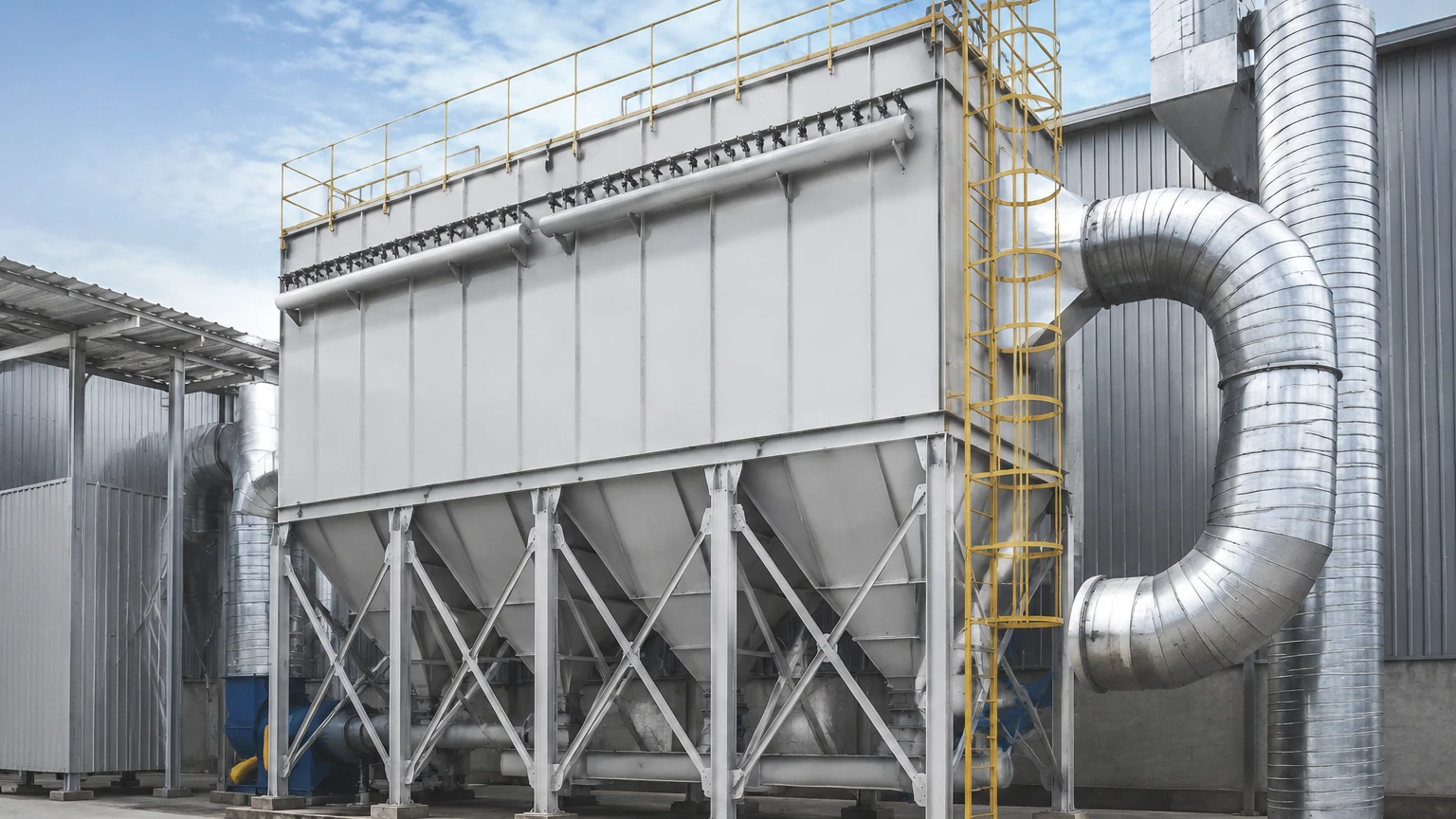
In industrial environments, maintaining air quality and managing particulate matter is a critical engineering challenge. Baghouses for dust collector systems serve as the primary solution for high-volume air filtration, designed to remove suspended solids from gas streams across industries such as chemical processing, metal fabrication, pharmaceutical manufacturing, and food production. Unlike simple ventilation systems, a baghouse is a complex piece of capital equipment that utilizes fabric or membrane filters—often supported by precision-engineered metal components—to achieve high collection efficiencies, even for sub-micron particles.
Selecting, designing, and maintaining these systems requires a deep understanding of fluid dynamics, material science, and mechanical engineering. For technical professionals seeking high-performance filtration components and custom metal solutions, visiting the Main Page provides a comprehensive overview of the manufacturing capabilities required to support these demanding industrial applications.
Understanding Baghouses for Dust Collector Systems
A baghouse, or fabric filter, operates by pulling dust-laden air through a series of long, cylindrical bags (or pleated cartridges). As the air passes through the filter media, dust accumulates on the surface, forming a "dust cake" that actually enhances the filtration efficiency of the system. Once the dust cake reaches a specific thickness, a cleaning mechanism is triggered to dislodge the particles into a hopper for disposal or reclamation.
There are three primary types of cleaning mechanisms used in baghouses for dust collector applications:
1. Pulse-Jet Cleaning: This is the most common modern design. High-pressure compressed air is blasted down the center of the filter bag, causing it to expand rapidly and shake off the dust cake. This method allows for continuous operation without shutting down the airflow.
2. Shaker Cleaning: The tops of the bags are attached to a motorized shaking mechanism. The system must be taken offline (airflow stopped) while the bags are physically shaken to release the dust.
3. Reverse-Air Cleaning: Low-pressure air is blown in the opposite direction of the normal filtration flow, causing the bags to collapse slightly and the dust cake to crack and fall. This is typically used in very large-scale utility applications.
Critical Engineering Considerations: Air-to-Cloth Ratio
One of the most vital metrics in the design of baghouses for dust collector units is the air-to-cloth (A/C) ratio. This represents the volume of air (in Cubic Feet per Minute, or CFM) passing through one square foot of filter media.
Mathematically, it is expressed as:
A/C Ratio = Total Airflow (CFM) / Total Filter Area (sq. ft.)
An inappropriately high A/C ratio can lead to excessive pressure drop, shortened bag life, and particle bleed-through. Conversely, an overly low A/C ratio results in a system that is unnecessarily large and expensive. Engineers must balance the A/C ratio based on the specific dust characteristics—such as particle size, moisture content, and abrasiveness. For example, fine, metallurgical fumes require a much lower A/C ratio than coarse sawdust.
Material Selection for Filter Media and Support Structures
The performance of baghouses for dust collector systems is heavily dependent on the compatibility of the materials with the process gas. The filter bags themselves are typically made from felted or woven fabrics such as polyester, aramid (Nomex), or PTFE. However, the internal support structures—the filter cages—are equally critical.
In many industrial processes, especially those involving corrosive chemicals or high temperatures, standard galvanized steel cages are insufficient. This is where stainless steel components become essential. Stainless steel (Grade 304 or 316L) provides the necessary corrosion resistance to withstand acidic or alkaline environments common in chemical processing. Furthermore, in food and pharmaceutical applications, stainless steel is mandatory to meet hygiene standards and prevent contamination from rust or oxidation.
The Importance of Precision Filter Cages
The filter cage acts as the skeleton of the baghouse. If the cage is poorly manufactured, with burrs or sharp edges, it will cause mechanical wear on the filter bag, leading to premature failure (holes). High-quality cages must be manufactured with precision welding and smooth finishes to ensure the longevity of the expensive filter media. Customization in cage design—such as the number of vertical wires or the spacing of the horizontal rings—allows engineers to optimize the support for specific bag materials and cleaning pressures.
Managing Pressure Drop and Operational Efficiency
In any baghouse for dust collector, the differential pressure (the difference in air pressure between the dirty side and the clean side of the filter) is the primary indicator of system health. A steady, predictable pressure drop indicates that the cleaning cycle is effectively removing the dust cake.
If the pressure drop rises and remains high (a condition known as "blinding"), it suggests that particles have become deeply embedded in the fabric or that moisture has caused the dust to harden. This increases the load on the system's fan, leading to higher energy consumption and reduced suction at the source of the dust. To mitigate this, engineers often specify membrane-coated media (like ePTFE) which promotes surface filtration rather than depth filtration, making the cleaning cycle more efficient.
Structural Integrity and Custom Metal Components
Beyond the bags and cages, the structural integrity of the baghouse housing and the precision of the tube sheet (the metal plate that holds the bags in place) are paramount. The tube sheet must be perfectly flat and the holes must be laser-cut to exacting tolerances. Even a minor misalignment or a slightly oversized hole can cause "bypass," where dirty air escapes into the clean air plenum, violating environmental regulations.
For specialized industrial applications, standard off-the-shelf components rarely suffice. Custom stainless steel filtration components, including wire mesh pre-filters and precision-machined support grids, are often integrated into the baghouse design to handle unique challenges. These might include:
* Spark Arrestors: Metal mesh screens designed to extinguish sparks before they reach flammable filter bags.
* Flow Distributors: Internal baffles that ensure air is evenly distributed across all filter bags, preventing localized high-velocity wear.
* High-Temperature Seals: Custom metal gaskets and seals that maintain vacuum integrity in extreme thermal environments.
For those designing or upgrading these systems, sourcing components from a manufacturer with deep expertise in custom metal filtration is vital. You can explore technical specifications and customization options on the Main Page.
Maintenance and Troubleshooting for Industrial Baghouses
A proactive maintenance schedule is the only way to ensure the total cost of ownership (TCO) of a baghouse remains low. Key maintenance tasks include:
* Leak Detection: Using fluorescent leak-detection powder to identify failed bags. When the powder is introduced into the dirty air stream, it will accumulate on the clean side of any compromised bag, visible under UV light.
* Diaphragm Valve Inspection: In pulse-jet systems, the valves that release the compressed air are wear items. If a valve sticks open or fails to fire, the cleaning efficiency of an entire row of bags is lost.
* Compressed Air Quality: Ensuring the air used for cleaning is dry and oil-free. Moisture in the pulse-jet air can lead to "mudding" on the bags, which is often irreversible.
Total Cost of Ownership (TCO) Considerations
When evaluating baghouses for dust collector projects, procurement teams often focus on the initial capital expenditure (CAPEX). However, the operational expenditure (OPEX) over the life of the system—typically 10 to 20 years—far outweighs the purchase price. Factors influencing TCO include:
* Energy Consumption: The fan motor is often one of the largest energy consumers in a facility. Optimizing pressure drop directly reduces electricity costs.
* Bag Replacement Frequency: High-quality bags and precision-engineered cages may cost more upfront but can double or triple the interval between change-outs.
* Compressed Air Usage: Efficient cleaning cycles reduce the demand on the facility's air compressors.
* Downtime: A system that is easy to maintain and features durable stainless steel internals will experience fewer unplanned shutdowns, protecting the facility's production throughput.
Conclusion
Baghouses for dust collector systems are indispensable tools for modern industry, bridging the gap between high-volume production and environmental responsibility. By focusing on technical fundamentals—such as air-to-cloth ratios, material compatibility, and the precision of internal metal supports—engineers can design systems that are not only effective but also durable and cost-efficient.
Whether you are dealing with high-temperature flue gases in a chemical plant or fine powders in a food processing facility, the choice of filtration components is the deciding factor in system performance. For customized engineering support and high-precision stainless steel filtration solutions, refer to the resources and product capabilities available at the Main Page. Understanding the synergy between the filter media and the mechanical structure is the key to mastering industrial dust collection.
