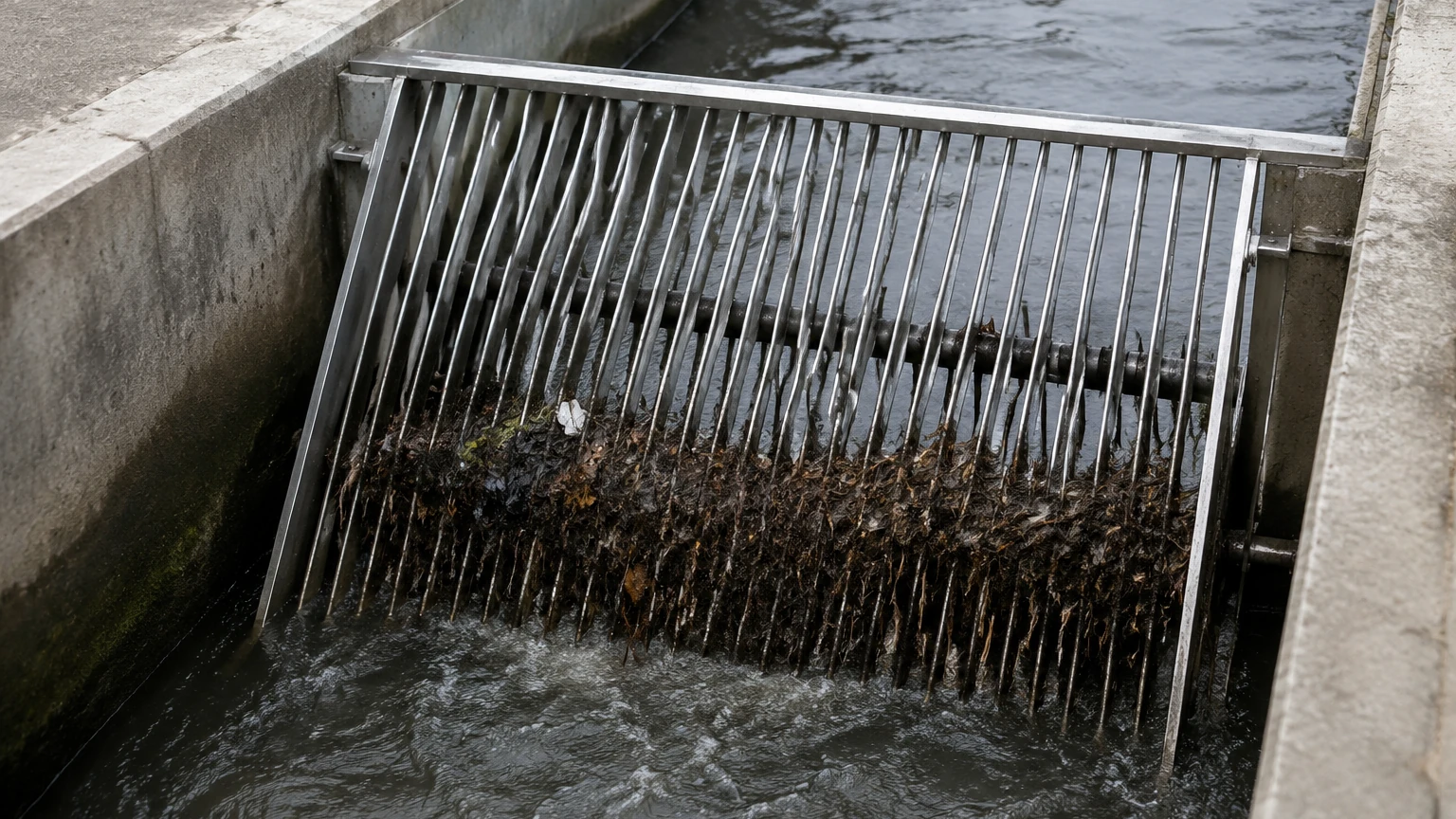

Bar Screen Wastewater
In the context of industrial and municipal water treatment, the preliminary treatment phase is critical for the protection of downstream equipment and the overall efficiency of the purification process. The primary mechanism employed at this stage is the bar screen. Effectively managing bar screen wastewater involves a deep understanding of physical filtration principles, material science, and hydraulic engineering. For engineers and facility managers, selecting the right screening technology is not merely a matter of debris removal but a strategic decision that impacts the total cost of ownership (TCO) and the operational lifespan of pumps, membranes, and biological treatment units.
The Fundamental Role of Bar Screens in Wastewater Treatment
Bar screen wastewater treatment serves as the first line of defense in a treatment plant. The process involves the removal of large objects—such as rags, plastics, wood, and stones—that could otherwise cause mechanical damage or clogging in subsequent stages. By intercepting these solids, bar screens prevent the fouling of fine-bubble diffusers, the abrasion of centrifugal pumps, and the obstruction of narrow channels in heat exchangers.
From a technical perspective, bar screens are categorized by the size of the openings between the bars, known as the "clear opening." This spacing determines the level of protection provided to the rest of the plant. Without an effective bar screen, the "bar screen wastewater" would carry a high load of non-biodegradable solids, leading to frequent emergency shutdowns and increased maintenance labor costs.
Classification of Bar Screens: Coarse vs. Fine
When designing a filtration system, engineers must choose between coarse and fine screening based on the specific influent characteristics and the requirements of downstream processes.
Coarse Screens
Coarse screens typically feature openings ranging from 6 mm to 150 mm (0.25 inches to 6 inches). These are most common in the very first stage of treatment. They are designed to capture large debris that might enter the system through combined sewer overflows or industrial discharge. Coarse screens are often built with heavy-duty stainless steel bars to withstand high impact loads and significant hydraulic pressure.
Fine Screens
Fine screens utilize openings smaller than 6 mm. These are increasingly common in modern facilities, particularly those utilizing Membrane Bioreactors (MBR). In these applications, even small fibers or hair can lead to catastrophic membrane fouling. Fine screens often employ specialized media, such as wedge wire or perforated plates, to achieve high capture rates while maintaining sufficient flow capacity. Manufacturers like Kaifil provide precision-engineered components that ensure these fine tolerances are maintained even under heavy debris loading.
Engineering and Design Considerations for Bar Screen Wastewater
Designing an effective screening system requires a balance between filtration efficiency and hydraulic performance. Several key engineering parameters must be evaluated during the selection process:
1. Approach and Through-Bar Velocity
The velocity of the wastewater as it approaches the screen (approach velocity) and as it passes through the bars (through-bar velocity) is critical. If the velocity is too low, solids will settle in the channel before reaching the screen. If it is too high, debris may be forced through the openings (extrusions) or the head loss may become excessive. Typically, an approach velocity of 0.6 to 1.2 m/s is targeted to keep solids in suspension.
2. Head Loss and Hydraulic Gradient
Head loss is the difference in water level upstream and downstream of the screen. It is a function of the percentage of open area, the shape of the bars, and the amount of debris currently accumulated on the screen. Engineers use the Bernoulli equation and specific discharge coefficients to calculate the expected head loss. Minimizing head loss is essential to prevent upstream flooding and to reduce the energy required for pumping.
3. Bar Profile and Geometry
The shape of the bars significantly impacts both head loss and cleaning efficiency. Rectangular bars are common due to their structural rigidity, but teardrop or trapezoidal (wedge wire) profiles offer superior hydraulic performance. Wedge wire profiles, in particular, provide a "point contact" for solids, which reduces the likelihood of particles becoming wedged in the screen, a phenomenon known as "blinding."
Material Selection: The Importance of Stainless Steel
The environment of a wastewater treatment plant is inherently corrosive. The presence of hydrogen sulfide (H2S), high humidity, and various industrial chemicals necessitates the use of materials with high corrosion resistance. Stainless steel is the industry standard for bar screen wastewater applications due to its durability and structural integrity.
* Grade 304 Stainless Steel: Suitable for standard municipal wastewater applications with moderate corrosive potential.
* Grade 316 Stainless Steel: Recommended for industrial wastewater, coastal environments, or facilities with high chloride concentrations. The addition of molybdenum in Grade 316 provides enhanced resistance to pitting and crevice corrosion.
Using high-quality stainless steel ensures that the screen maintains its dimensional stability over decades. For precision filtration components, such as those found on the Main Page of specialized manufacturers, the focus is on providing materials that can withstand the mechanical stresses of automated cleaning rakes without bending or eroding.
Operational Mechanisms and Cleaning Strategies
Bar screens are further classified by how they are cleaned. The choice of cleaning mechanism affects the labor requirements and the reliability of the system.
Manual Screens
Manual screens are cleaned by operators using hand rakes. These are typically used only in very small facilities or as emergency bypass channels. They are labor-intensive and can lead to significant head loss if not cleaned frequently.
Mechanical Screens
Mechanical screens are automated and use rakes or brushes to remove debris. These are categorized by their movement:
* Chain-Driven Screens: Use a continuous chain to move rakes across the screen face. These are robust but require maintenance of the underwater chains.
* Reciprocating Rake (Climber) Screens: Use a rack-and-pinion mechanism to move a single rake up and down. All drive components are located above the water level, reducing corrosion risks.
* Catenary Screens: Utilize heavy chains and rakes that rely on gravity to keep the rake in contact with the screen, making them excellent for handling large, heavy debris.
Common Risks and Mitigation in Bar Screen Wastewater Management
Failure to properly manage the screening process can lead to several operational risks:
1. Screen Blinding: This occurs when fats, oils, and grease (FOG) or fine fibers coat the screen surface. This can be mitigated by selecting the correct bar profile and ensuring the cleaning mechanism is equipped with appropriate brushes or high-pressure spray bars.
2. Mechanical Wear: The abrasive nature of grit in wastewater can wear down screen components. Using hardened stainless steel and ensuring proper alignment of the rake mechanism can extend the service life.
3. Bypass Events: During heavy rain or peak flow, screens may become overwhelmed. Design engineers must include a bypass channel with a static screen to prevent raw sewage from overflowing into the environment.
Customization and OEM Solutions for Industrial Filtration
Every industrial facility has unique wastewater characteristics. A food processing plant may deal with organic solids and high-temperature washdowns, while a chemical plant may have highly acidic influent. Standardized off-the-shelf screens often fail to meet these specific demands.
Customization is where specialized manufacturers like Kaifil excel. By providing OEM filtration solutions, they allow engineers to specify the exact wire mesh grade, bar spacing, and structural dimensions required for their specific application. Whether it is a custom stainless steel filter cartridge for a specialized industrial process or a precision-engineered component for a large-scale bar screen, the focus remains on filtration accuracy and durability. For those looking to optimize their system, it is advisable to Review product options and application support to ensure the selected components align with the hydraulic and chemical realities of the site.
Total Cost of Ownership (TCO) Considerations
When evaluating bar screen wastewater solutions, the initial purchase price is only one component of the total cost. A comprehensive TCO analysis should include:
* Energy Consumption: The power required to operate mechanical rakes and the energy lost due to head loss.
* Maintenance Labor: The frequency and complexity of servicing the screen, especially components submerged in wastewater.
* Disposal Costs: The efficiency of the screenings washer/compactor. Higher capture rates at the bar screen mean more solids must be washed, dewatered, and hauled to a landfill.
* Downstream Impact: The cost of repairing pumps or replacing membranes that were damaged due to inadequate screening.
Investing in high-quality stainless steel components and a well-engineered cleaning mechanism often results in a lower TCO over the 20-to-30-year lifespan of a treatment facility.
Conclusion: Selecting the Right Solution
Effective bar screen wastewater management is a foundational requirement for any successful water treatment operation. By understanding the nuances of bar spacing, material selection, and hydraulic flow, engineers can design systems that provide maximum protection with minimal operational overhead. As treatment standards become more stringent and the use of sensitive downstream technologies like MBR increases, the role of precision-engineered screening components becomes even more vital. Working with experienced manufacturers who understand the rigors of industrial filtration ensures that the first step in your treatment process is also the most reliable.